

Plastic waste has become one of the most significant environmental challenges facing the world today. According to international environmental organizations, hundreds of millions of tons of plastic are produced annually, and a large percentage of this material eventually becomes waste. While plastics provide convenience, durability, and affordability in countless applications, their disposal has created a growing global problem. Landfills are filling up, plastic pollution is contaminating ecosystems, and many types of plastic remain difficult to recycle through conventional methods.
Traditional mechanical recycling plays an important role in waste management, but it has limitations. Contaminated, mixed, or low-quality plastics often cannot be efficiently processed and are frequently discarded or incinerated. As governments, industries, and communities search for more sustainable solutions, advanced recycling technologies are gaining momentum. Among them, plastic-to-fuel pyrolysis has emerged as a promising approach that can recover value from waste plastics while reducing environmental burdens.
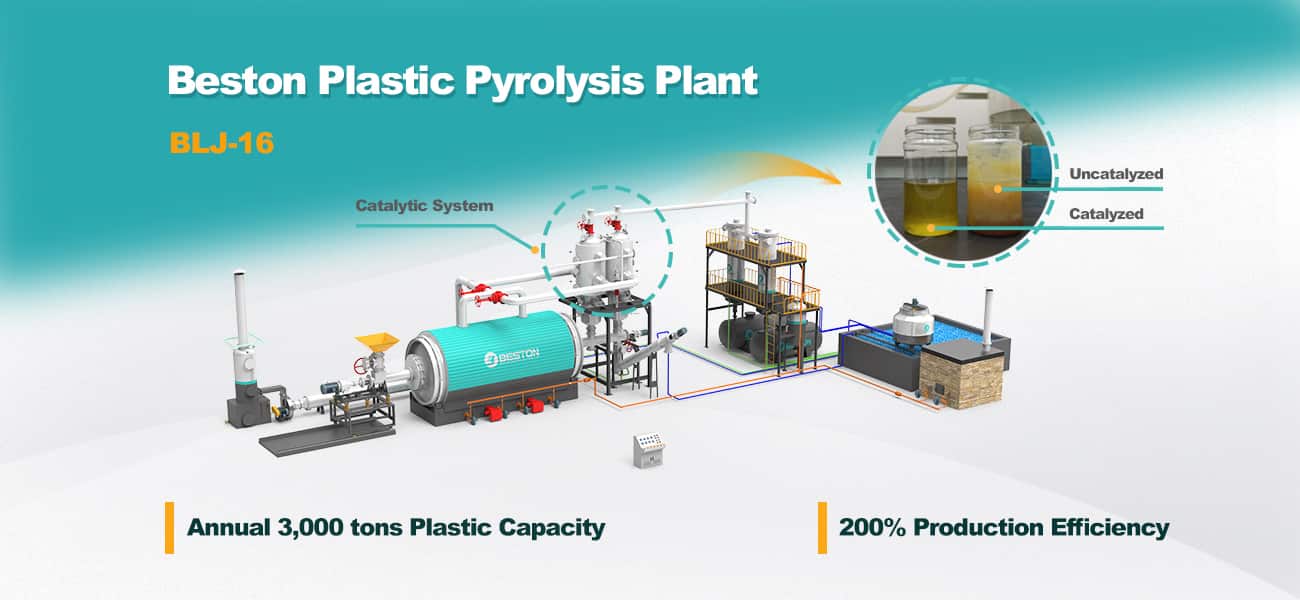
Pyrolysis is a thermochemical process that breaks down organic materials at high temperatures in the absence of oxygen. When waste plastics are subjected to pyrolysis, their long polymer chains are decomposed into smaller hydrocarbon molecules, producing valuable outputs such as pyrolysis oil, combustible gas, and solid carbon residues.
Unlike traditional incineration, pyrolysis does not involve direct combustion of plastic waste. Instead, it converts discarded plastics into reusable products, making it a more resource-efficient and environmentally friendly alternative.
The process typically includes several stages:
This technology can process various types of plastic waste, including polyethylene (PE), polypropylene (PP), and polystyrene (PS), which are commonly found in packaging, containers, and consumer products.
The concept of advanced recycling has gained attention because many plastic products are not suitable for traditional recycling methods. Packaging materials, multilayer plastics, contaminated containers, and mixed plastic waste streams often present significant challenges for mechanical recycling facilities.
As a result, large volumes of plastic continue to be sent to landfills or waste-to-energy facilities. Advanced recycling technologies such as pyrolysis provide an additional pathway for managing these difficult-to-recycle materials.
Several factors are driving the adoption of advanced recycling:
Plastic-to-fuel pyrolysis addresses many of these concerns by recovering energy and valuable hydrocarbons from materials that might otherwise be discarded.
One of the primary advantages of plastic-to-fuel pyrolysis is its potential to reduce the volume of plastic waste sent to landfills. Landfilled plastics can persist in the environment for hundreds of years, occupying valuable space and contributing to long-term pollution.
Pyrolysis offers a practical pathway for managing plastics that are difficult to recycle mechanically. By converting these materials into useful energy products, the technology helps divert waste from disposal sites and supports more sustainable waste management practices.
Additionally, plastic-to-fuel systems can contribute to lower greenhouse gas emissions when compared with certain conventional waste treatment methods. Recovering energy from waste plastics reduces dependence on virgin fossil resources and promotes more efficient use of existing materials.
Another environmental advantage is the reduction of plastic leakage into natural ecosystems. Effective recycling and recovery infrastructure can help prevent plastics from reaching waterways and oceans, where they threaten wildlife and marine habitats.
Beyond environmental benefits, plastic-to-fuel pyrolysis creates significant economic opportunities. As global demand for sustainable waste management solutions increases, industries and municipalities are seeking technologies that can recover value from waste streams.
Pyrolysis oil produced from waste plastics can serve as a feedstock for further refining or industrial applications. The non-condensable gases generated during the process can often be reused to provide heat for the pyrolysis system itself, improving overall energy efficiency and reducing operating costs.
Furthermore, advanced recycling facilities can create jobs in waste collection, sorting, plant operation, equipment maintenance, and environmental monitoring. As the circular economy continues to expand, investments in advanced recycling technologies are expected to generate new business opportunities worldwide.
The success of a plastic-to-fuel project largely depends on the quality and performance of the pyrolysis system. Modern plastic pyrolysis equipment has evolved significantly in recent years, offering improved efficiency, safety, and environmental performance.
Advanced systems typically feature:
These innovations help maximize fuel yield while minimizing energy consumption and emissions. Real-time monitoring systems also enable operators to maintain stable production conditions and improve overall plant reliability.
As environmental regulations become stricter, modern pyrolysis technology is playing an increasingly important role in helping facilities meet sustainability goals while maintaining economic viability.
Despite its advantages, plastic-to-fuel pyrolysis is not without challenges.
Feedstock quality remains a critical factor. Mixed plastics containing PVC or other unsuitable materials may affect product quality and process efficiency. Effective sorting and preprocessing systems are therefore essential.
Capital investment can also be significant, particularly for large-scale facilities equipped with advanced environmental controls and automation systems. Operators must carefully evaluate project economics, local regulations, and feedstock availability before investing.
Furthermore, public understanding of advanced recycling technologies continues to evolve. Education and transparent communication are important for building trust and encouraging broader adoption.
Plastic pollution remains a global challenge, but innovative solutions are creating new opportunities for sustainable waste management. Plastic-to-fuel pyrolysis represents a valuable form of advanced recycling that transforms difficult-to-recycle plastics into useful energy products while reducing environmental impacts.
By diverting waste from landfills, recovering valuable resources, and supporting the circular economy, pyrolysis technology offers a practical pathway toward a more sustainable future. As modern equipment and industry standards continue to advance, plastic-to-fuel recycling is likely to become an increasingly important component of global efforts to address plastic waste and promote resource efficiency.

© 2025 Crivva - Hosted by Airy Hosting Managed Website Hosting.