


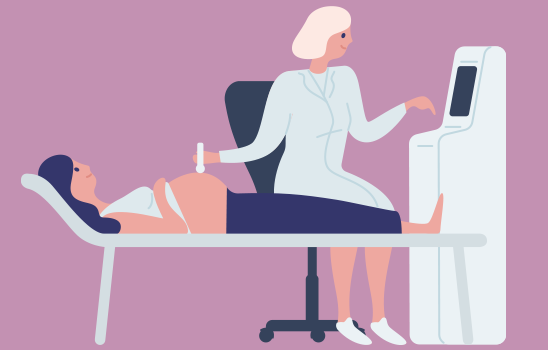
Visiting a gynecologist isn’t a matter of reacting to a problem but also involves creating a lifelong relationship for your well-being. Many females are shy to share information with their doctor despite knowing that it may result in embarrassment. Many people are of the view that certain symptoms are normal. Healthcare models like CSMC believe that talking openly while being informed leads to better outcomes if females share information instead of hesitating until they face the issue.
Reproductive health is inextricably related to hormones, mental health, lifestyle, and even job-related stress. Omitting key points could mean a lack of detection of underlying symptoms of issues when treated earlier, in their primary phases. Patient education with a focus on CSMC emphasizes the point that there are no concerns too minor, particularly when impacted on a day-to-day basis. It does not matter what an individual thinks when a gynecologist is there to guide them, to help them.
“Your menstrual cycle is one key indicator of your overall health,” says one medical source. Any changes in patterns associated with timing, flow, pain, or duration should be talked about. Also, women have normalized irregular menstruation patterns that could result from either stress or age factors, but regular changes may be indicative of hormonal disorders, thyroid disease, PCOS, or other potential medical conditions. CSMC wellness strategies emphasize that monitoring patterns in menstruation and discussing them with your gynecologist promotes early medical intervention.
Heavier menstruation, missed periods, cramping, and spotting may all be important findings. Note that these changes, even if they seem small, can give important information about the reproductive and hormonal systems.
“Pain is never something you have to bear silently.” Pelvic pain, lower back pain, or pain during sexual intercourse is experienced by many women and can have significant impacts on physical as well as emotional health. These symptoms have been attributed to infections, endometriosis, fibroids, or pelvic floor dysfunction. Care models promoted through CSMC aim for clear communication about pain, including when it is experienced and its magnitude. Open discussion with a gynecologist helps in ruling out serious conditions and suggesting treatments or lifestyle adjustments that improve the quality of life. Moreover, early attention to pain prevents its chronic nature.
This includes changes in discharge, odor, itching, or irritation, which are common but not to be ignored. Many try home remedies and over-the-counter solutions without the guidance of doctors, further aggravating the problem. CSMC health education would point out that vaginitis and most other types of infection can be linked with one’s hygiene habits, stress, diet, and medications.
This helps your gynecologist talk openly about symptoms and identify any sort of infection, hormonal change, or sensitivities, advising on appropriate treatments. Maintaining vaginal health also supports reproductive and urinary wellness.
Birth control prevents unwanted pregnancy, conception, or other long-term options. Since each form of birth control may affect someone’s body differently, lifestyle factors such as work schedules, stress levels, and pre-existing conditions help determine which option is best. Sometimes, consultations are guided by CSMC in order to direct an individual’s medical decisions to align with one’s goal.
Questions about side effects, how well a method works, and plans for fertility in the future will make sure that the birth control method that a woman selects addresses concerns for both short- and long-term needs.
The effects of hormones do not end with reproductive issues related to a woman’s life. Mood swings, anxiety, tiredness, acne, or weight fluctuations can also be related to a hormonal imbalance. It takes a lot of courage for a woman to relate emotional struggles with women’s health, but it’s a reality that the mind and body need to be connected for proper treatment at CSMC
Discussing symptoms of emotional and mental problems can help your gynecologist understand whether hormonal evaluation, lifestyle management, or referrals are required. Such issues can largely be addressed by attending to your concerns.
Sexual health remains an integral aspect of overall wellness yet remains the most underrated and least discussed subject in physician encounters. A loss of sexual drive, pain, dryness, and sexual concerns can result from hormonal, stressful, medicinal, or developmental changes. CSMC wellness philosophies encourage open, respectful discussions about sexual health free from judgment.
With honest disclosure, women may be afforded guidance that enhances comfort, confidence, and relationship satisfaction while ruling out medical causes.
Preventive care saves lives. Pap smears, testing for human papillomavirus, breast examinations, and pelvic examinations are important, even if you are feeling well. Family history of cancers, hormonal abnormalities, and reproductive difficulties is important to share with your gynecologist, as this will determine your risk factor and possible screening schedules. CSMC preventive care models emphasize that the earlier a problem is detected, the simpler the treatments usually are and the better the outcomes.
It helps your doctor to keep you informed about changes in family health history so your care plan can evolve with your needs.
Is it acceptable to discuss with a gynecologist problems concerning your mental health?
This is where mental health is linked with reproductive health and hormonal disturbance; sharing concerns helps in guiding better care.
What if my symptoms seem embarrassing?
Gynecologists are experts. There is no symptom that brings embarrassment to talking about it.
How often should I update my physician about any changes?
Any sort of new change or ongoing change must be brought up during your next visit or sooner if it impacts daily living.
Can lifestyle stress influence the health of the female reproductive system?
Yes. Stress affects hormone levels, menstrual cycles, and reproductive health.
Do I need any preparation for an appointment?
Keeping a notebook to jot down symptoms, cycles, and questions can make a visit much more productive.
Your gynecologist is one of the most important individuals in your overall health journey. Being open and truthful about your questions and concerns gives all of us the power to be proactive about our health in a confident way. Health organizations like CSMC always emphasize the importance of open communication in the successful detection and treatment of our health concerns and in the improvement of our quality of life. These seven important health concerns can now be addressed by all of us in an open-minded way. Discussing these seven key topics openly could allow women to move away from a culture of reactive care toward one of proactive wellness, made possible by trusted professionals like a women’s doctor Brisbane.

© 2025 Crivva - Hosted by Airy Hosting Managed Website Hosting.