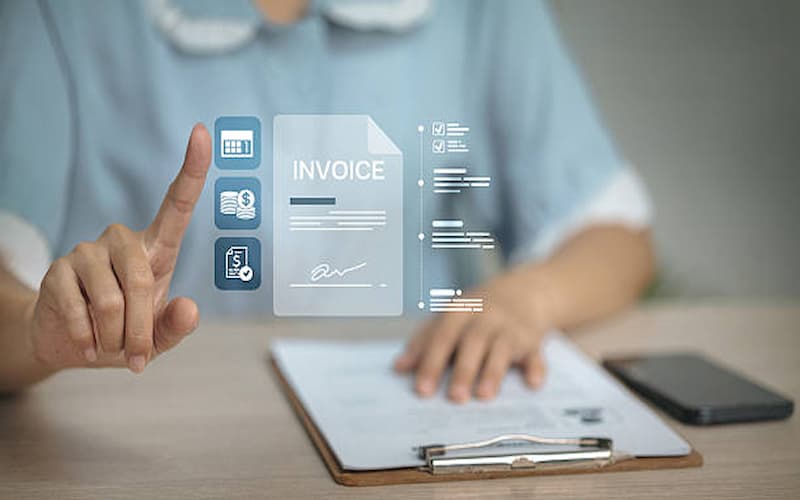
The way businesses manage invoices has changed significantly with the growth of digital transformation. Companies are moving from traditional paper invoices to automated digital processes that improve accuracy, speed, and financial control. E-invoicing in Riyadh is becoming an essential practice for businesses looking to streamline billing operations, improve compliance, and create a more transparent financial workflow.
Understanding the e-invoice lifecycle helps companies manage every stage of invoice processing effectively. From invoice creation and validation to reporting and archiving, each step plays an important role in ensuring smooth business transactions. A clear understanding of this process allows organizations to reduce errors, improve cash flow management, and maintain better financial records.

An e-invoice lifecycle refers to the complete journey of an electronic invoice, starting from the moment it is created until it is securely stored after completion. Unlike traditional invoices that depend on manual entry and physical documentation, e-invoices follow a structured digital process.
The lifecycle includes multiple stages, such as:
Invoice generation
Data validation
Digital processing
Invoice approval
Payment tracking
Reporting
Secure archiving
Each stage ensures that invoices are accurate, traceable, and easily accessible for business and regulatory purposes.
For modern businesses, invoices are more than payment documents. They provide important financial information that supports accounting, reporting, and decision-making.
A properly managed e-invoice lifecycle helps businesses:
Reduce manual invoice errors
Improve transaction visibility
Speed up payment processes
Maintain accurate financial records
Simplify compliance management
Improve customer relationships
Without a structured invoice workflow, businesses may experience delayed payments, incorrect records, and operational inefficiencies.
The first stage of the lifecycle begins with creating an invoice after a business transaction is completed. This may involve selling products, delivering services, or completing contractual obligations.
During invoice creation, businesses need to include accurate information such as:
Supplier details
Customer information
Invoice identification number
Transaction date
Product or service description
Quantity and pricing details
Tax information
Payment terms
Accurate invoice creation is important because errors at this stage can affect the entire processing cycle.
Businesses should maintain updated customer and product databases to reduce incorrect entries and improve invoice accuracy.
After generating an invoice, businesses must verify that all details are correct. Validation ensures that the invoice contains complete and accurate information before processing.
Important validation checks include:
Confirming customer details
Checking tax information
Reviewing calculations
Ensuring mandatory fields are completed
Verifying invoice format requirements
Automated validation processes can help identify mistakes quickly and reduce the need for manual corrections.
Proper validation improves invoice acceptance rates and prevents unnecessary delays.
E-invoices use structured digital formats that allow information to be processed automatically by different systems. Unlike scanned documents or PDF files, structured invoices contain organized data that can be read and verified electronically.
A structured format helps businesses achieve:
Faster invoice processing
Better data accuracy
Easier system integration
Improved reporting capabilities
This digital approach creates smoother communication between businesses, accounting platforms, and financial systems.
Once an invoice has been created and validated, it moves to the submission stage. The invoice is electronically shared through approved platforms for verification and processing.
During this stage, businesses should monitor invoice status carefully.
Possible outcomes may include:
Successful processing
Invoice rejection
Required modifications
Pending verification
Quickly identifying and resolving issues helps companies avoid payment delays and maintain smooth operations.
After successful verification, invoices usually move through an internal approval process. Depending on the organization, different departments may review invoices before final approval.
An efficient approval workflow helps businesses:
Control financial transactions
Prevent unauthorized payments
Improve accountability
Reduce processing delays
Digital approval systems allow managers and finance teams to review invoices faster and maintain better workflow visibility.
Payment management is a critical stage of the e-invoice lifecycle. Once invoices are approved, businesses need to track payment progress and maintain accurate financial records.
Effective payment tracking helps companies monitor:
Paid invoices
Pending payments
Overdue balances
Customer payment patterns
Better payment visibility supports improved cash flow management and allows businesses to take timely action on outstanding payments.
E-invoices generate valuable financial data that businesses can use for reporting and strategic planning. Instead of manually collecting information from multiple sources, companies can analyze invoice data to understand business performance.
Organizations can use invoice insights to monitor:
Sales trends
Revenue performance
Customer payment behavior
Tax-related information
Business growth patterns
Accurate reporting helps decision-makers develop better financial strategies.
The final stage of the e-invoice lifecycle is storing invoice records securely. Businesses need reliable methods to maintain digital documents for future reference, audits, and financial analysis.
Effective invoice archiving includes:
Secure digital storage
Easy document search
Data backup procedures
Access control management
Proper record management ensures that businesses can quickly retrieve important documents whenever needed.
Although e-invoicing provides many benefits, businesses may face challenges while managing the complete process.
Incorrect customer details, tax data, or pricing information can result in invoice rejection and payment delays.
Businesses using disconnected tools may experience difficulties transferring information between sales, accounting, and finance departments.
Employees may require training to understand new digital invoice workflows and compliance procedures.
Companies handling thousands of transactions need efficient systems to process invoices quickly without errors.
Businesses can optimize their e-invoice lifecycle by following these practices:
Keeping customer, supplier, and product information updated reduces invoice errors.
Automation reduces manual work and improves processing speed.
Well-trained employees can manage digital invoicing processes more effectively.
Tracking invoice processing times and payment cycles helps identify improvement opportunities.
Strong security measures protect sensitive invoice information from unauthorized access.
The future of e-invoicing will focus on automation, artificial intelligence, and advanced analytics. Businesses will increasingly use smart technologies to improve invoice processing and financial decision-making.
Future trends include:
AI-based invoice verification
Automated payment reconciliation
Real-time financial reporting
Cloud-based invoice management
Advanced data analytics
These innovations will help businesses create faster, smarter, and more efficient financial operations.
The e-invoice lifecycle is an important part of modern financial management. Understanding each stage, from invoice creation and validation to payment tracking and secure storage, helps businesses improve efficiency and maintain accurate records.
For companies in Riyadh, adopting a structured approach to e-invoice management can reduce errors, improve compliance, and support better financial decision-making. As digital transformation continues, businesses that optimize their invoice lifecycle will be better prepared to manage future growth and changing financial requirements.

© 2025 Crivva - Hosted by Airy Hosting Managed Website Hosting.