

Modern construction projects require rapid, reliable, and cost-effective concrete production methods to remain competitive and profitable. Traditional manual mixing often leads to inconsistent concrete quality, project delays, and high labor expenses. Therefore, growing construction firms increasingly invest in automated mixing systems.
This detailed guide explores the key advantages of this advanced machinery. We will analyze how these systems improve daily site operations. Additionally, we will look at features, selection criteria, and expected investment costs.
Automated concrete mixers handle the entire batching process with minimal human intervention. Specifically, the machine automatically weighs, feeds, and mixes the raw ingredients. Consequently, this precise automation removes human error from the production cycle.
You receive a highly consistent mix of cement, aggregates, and water. This consistent quality directly improves the structural integrity of your buildings. Therefore, you can easily meet strict engineering standards on every job.
Additionally, automated machines produce a fresh batch of concrete in just a few minutes. This rapid speed allows your construction team to pour concrete continuously. Thus, you can complete major project phases ahead of schedule. Your crew also experiences much less physical strain during long workdays.
Modern mixers feature integrated computerized control panels for easy operation. Operators can select precise, pre-programmed recipes with a single touch. Specifically, built-in electronic sensors weigh each material before it enters the drum.
This digital precision prevents aggregate waste and saves money on expensive raw materials. Furthermore, the computer system saves detailed records of all daily batches. This data helps project managers monitor material consumption and track costs accurately.
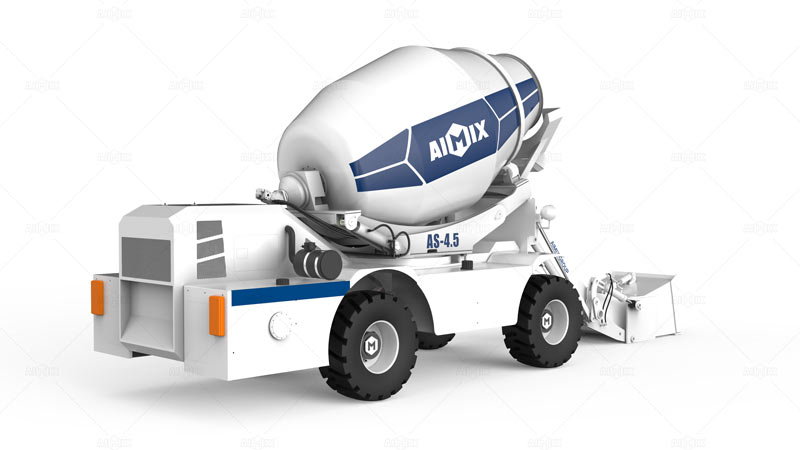
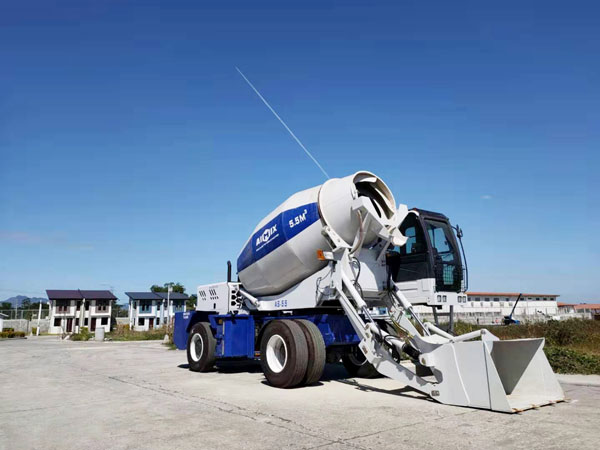
On-site transport logistics often present a massive bottleneck for fast-paced construction crews. However, a self loading mixer concrete solves this common issue by operating as a fully independent vehicle. These innovative machines load their own mixing drums using an attached front shovel.
Consequently, you do not need to rent extra wheel loaders for the job site. This highly self-contained design saves valuable yard space and reduces overall equipment rental fees.
Moreover, these versatile mobile mixers travel easily across rough, unpaved terrain. The operator drives the machine directly to the designated pouring location. This immediate delivery ensures that the concrete remains fresh and highly workable. It works exceptionally well for remote utility installations, bridge repairs, and rural foundation pours.
Traditional on-site concrete production usually requires a large, coordinated team of workers. In comparison, an automated self-loading unit requires only one or two trained operators.
This drastic labor reduction helps you reallocate your budget to other critical tasks. Additionally, employing fewer workers around heavy machinery minimizes the risk of on-site accidents. You create a safer and more organized working environment.
Before purchasing new equipment, you must carefully evaluate the total financial investment. The automatic concrete mixer machine price depends on several important technical factors. Specifically, drum capacity, engine horsepower, and automation technology greatly influence the final cost.
You must balance this initial capital expense against your projected operational savings. A higher initial cost often yields much greater savings over time.
Generally, stationary automatic mixers are more affordable for local builders with fixed workshops. However, mobile and self-loading units require a larger initial capital investment.
Despite the higher price, mobile units offer significantly greater utility on multiple distant sites. They pay for themselves quickly by eliminating external transport fees and reducing manual labor.
The reputation of the manufacturer and the country of origin affect the price. Established global brands usually charge more for their machinery. However, these brands offer superior build quality, longer warranties, and better customer support.
Additionally, you must consider shipping costs, local import duties, and spare parts availability. Buying from a supplier with local parts inventory prevents expensive downtime.
Routine preventative maintenance keeps your high-tech machinery working efficiently for many years. First, operators must wash the mixing drum thoroughly at the end of every shift.
Hardened concrete ruins the internal mixing blades and reduces drum capacity. Therefore, daily cleaning must remain a top priority for your job site crew.
Second, you must lubricate all moving parts, gears, and bearings weekly. Proper lubrication reduces metal friction under heavy working loads. Additionally, check the hydraulic oil levels and replace dirty filters regularly. Clean hydraulic fluid ensures smooth drum rotation and precise loading arm movements.
Automatic concrete mixers rely on delicate electronic sensors and control boards. Therefore, you must protect these electrical systems from heavy rain and dust.
Keep the control cabin door closed when the machine is not active. Additionally, inspect the sensor wiring regularly for any signs of physical wear. Replacing a damaged wire early prevents major electrical failures later.
Working around heavy rotating machinery always involves certain physical risks. Therefore, you should establish and enforce strict safety guidelines on your site.
Ensure that all operators wear high-visibility vests, safety boots, and hard hats. They must also wear protective eyewear to shield their eyes from toxic cement dust.
Furthermore, never overload the mixing drum beyond its rated capacity. Overloading strains the engine and can cause the machine to tip on uneven ground.
Always perform a complete walkaround inspection before starting the engine. These simple habits prevent injuries and protect your expensive investment from damage.
You must train every crew member on how to use the emergency stop button. This prominent button halts all machine operations instantly during an unexpected crisis.
Test this safety system weekly to verify that it functions correctly. Proper safety training prevents workplace injuries and protects your business from legal liabilities.
Automated mixing systems significantly reduce the volume of raw material wasted on site. The precise electronic scales ensure that you use exact ingredient quantities.
Consequently, you minimize leftover concrete that usually goes directly to landfills. This efficient material usage supports more sustainable, eco-friendly building practices.
Additionally, producing concrete directly on site reduces transport truck emissions. You no longer need a fleet of delivery trucks driving to your location.
Fewer truck trips lower the overall carbon footprint of your construction project. Thus, automation helps your company meet modern green building standards and attract eco-conscious clients.
Modern automatic mixers operate much more quietly than older, traditional machinery models. This noise reduction is highly beneficial when working in tight residential zones.
Consequently, you can work longer hours without disrupting local neighborhood activities. This operational flexibility helps you complete urban construction projects much faster.
Investing in an automatic mixer brings immense long-term value to your construction business. It enhances batch consistency, reduces labor costs, and minimizes project delays.
Whether you require a portable or stationary setup, analyze your typical job requirements first. Choosing the right automated machinery secures the future growth of your business.

© 2025 Crivva - Hosted by Airy Hosting Managed Website Hosting.