

Tooth loss can compromise chewing, speech and confidence. Dental implants offer a long‑term solution because they replace the root and crown with a biocompatible screw and custom tooth. In Australia, particularly around Sydney, implant dentistry has gained popularity as a way to restore smiles naturally. This article explains what implants are, the main types, the procedure and costs, and why Bigger Smiles is committed to providing patients with long-lasting results that look and feel like their own teeth.
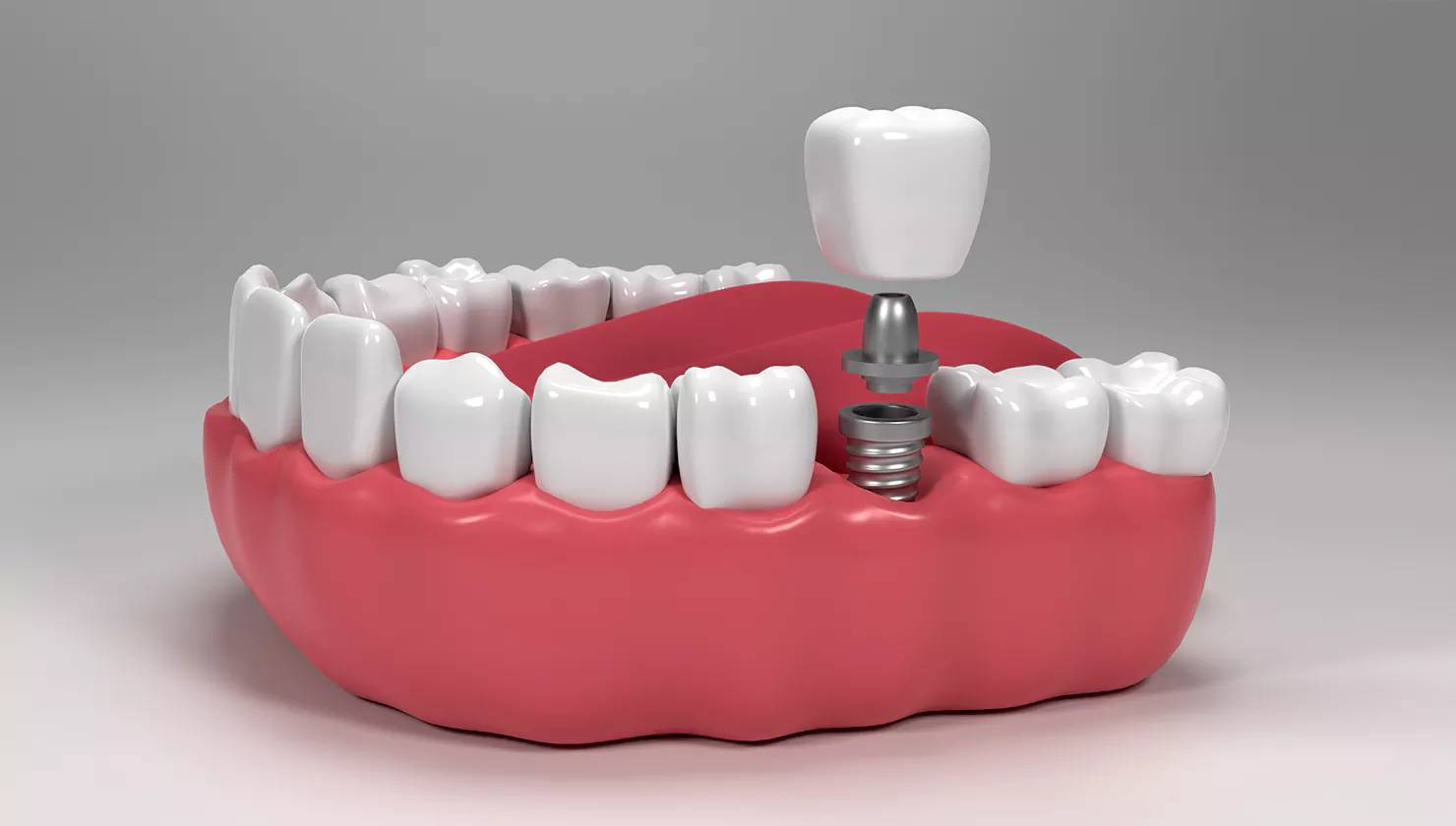
A dental implant is a small screw, usually made of titanium, that acts as an artificial tooth root. It is surgically placed into the jawbone, where it fuses with the bone over several months. Once healed, a connector (abutment) and crown, bridge or denture are attached. Because the implant is anchored in bone, it prevents jawbone loss and supports neighbouring teeth. Implants can replace single teeth, several adjacent teeth or an entire arch and are considered the gold standard of tooth replacement.
Different implant designs and techniques exist to suit individual needs:
| Type | Key features | When used |
| Endosteal (endosseous) implants | Titanium screws or cylinders placed directly into the jawbone; high success rate after bone integration | Suitable for most patients with sufficient bone volume; can support single or multiple teeth |
| Subperiosteal implants | Metal framework sits on top of the jawbone under the gums | For patients with inadequate bone who cannot undergo bone grafting, it is less common today |
| Zygomatic implants | Extra‑long implants anchored in the cheekbone | Used in the upper jaw when there is severe bone loss and bone grafts are not feasible |
| Mini implants | Narrow, toothpick‑sized implants | Often used to stabilise lower dentures or when space is limited; less load‑bearing |
| All‑on‑4 / All‑on‑6 | Technique using four or six implants to support a full arch; can avoid bone grafting | For full‑arch rehabilitation, quicker recovery and fewer implants than traditional full arch approaches |
Implant candidacy depends largely on bone quality and general health. A dentist will perform x‑rays and 3D scans to check bone volume. Smoking, severe gum disease or uncontrolled medical conditions such as diabetes or osteoporosis may reduce success rates. If bone is insufficient, grafts or sinus lifts can be performed before implant placement. Patients should disclose all medications and medical history to ensure safety.
Although individual plans differ, most implant treatments follow these stages:
The entire process takes several months but results in a stable, natural‑looking tooth replacement.
Implants offer distinct advantages:
Prices vary depending on the type of implant, materials, the dentist’s expertise, additional procedures and the clinic’s location. The table below summarises typical costs in Australian dollars:
| Treatment | Typical cost (AUD) | Notes |
| Single tooth implant | $4,500 – $7,000 | Includes implant, abutment and crown; higher end in major cities |
| Multiple implants | $15,000 – $30,000 | Depends on number of teeth replaced |
| All‑on‑4 per arch | Depending on the number of Implants | Four implants support a full arch |
| Full mouth (both arches) | Depending on the number of Implants | All‑on‑4 or All‑on‑6 approach for upper and lower jaws |
Additional costs may include bone grafts or sedation. Because implants are a significant investment, careful financial planning is essential. Many Sydney practices provide flexible payment plans, including interest‑free or staged payments, to help patients budget for treatment. Private health funds may reimburse part of the expenses for major dental procedures, and some patients access their superannuation under compassionate grounds. When you discuss costs with your dentist, ask for a detailed quotation that covers consultation, imaging, surgery, materials, restoration and aftercare so there are no unexpected fees. Costs also vary by location — clinics in the Sydney CBD often charge more than regional practices due to higher overheads. Price should not be the only consideration; experience, technology and service are just as important. Annual maintenance (check‑ups and specialised cleanings) typically costs $300–$500. Medicare generally does not cover implants, but some private health funds contribute between $500 and $2,500 per year towards major dental work. Many clinics offer payment plans, such as Afterpay or Humm, and patients can sometimes access their superannuation on medical grounds.
Full mouth implants are life‑changing for people who have lost most or all teeth. The procedure typically places four to six implants per arch and attaches a fixed prosthesis after healing. Costs range from $25,000 – $30,000 per arch and $45,000 – $60,000 for both arches. Compared with dentures, full‑arch implants provide superior stability, chewing power and aesthetics, and can last 15 years or longer.
When searching for a dentist near me or dentist clinic near Sydney, consider:
After implant placement, you may experience swelling and mild discomfort; this usually resolves within a few days. During healing, stick to soft foods and avoid smoking. Good oral hygiene is essential: brush twice daily, use floss or interdental brushes around implants and attend regular check‑ups. Studies show that regular dental visits can reduce the risk of peri-implant disease by up to 80 per cent. Smoking and poor diet significantly increase implant failure risk, so adopting a healthy lifestyle supports long‑term success.
Implant surgery is highly predictable but not without risks. Potential complications include infection, nerve damage, sinus problems and injury to adjacent teeth. Peri‑implantitis (inflammation around the implant) can occur if oral hygiene is neglected. People who cannot undergo implants may consider removable dentures or fixed bridges. Your dentist will help you weigh the benefits and risks of each option based on your situation.
Dental implants have revolutionised modern dentistry by replacing missing teeth with stable, natural-looking replacements that preserve bone and significantly enhance the quality of life. Understanding the different implant types, procedure, costs, and aftercare helps you make an informed decision. If you are considering dental implants in Sydney, Bigger Smiles is ready to guide you through the journey — from consultation to the confident smile you deserve.

© 2025 Crivva - Hosted by Airy Hosting Managed Website Hosting.