Why Cover Letters Still Matter
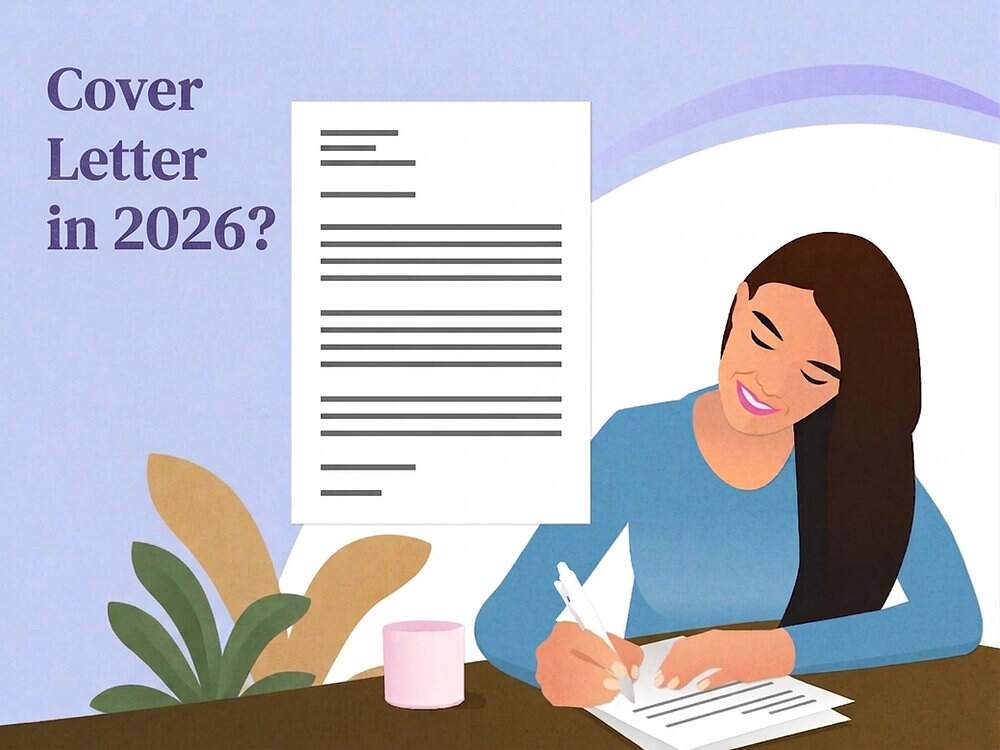
Despite changes in hiring processes and the rise of quick online applications, cover letters remain a valuable part of the job application process. While some companies may list them as optional, many recruiters still read them to gain deeper insight into a candidate.
A resume provides structure and facts—your skills, experience, and qualifications. A cover letter, on the other hand, brings those facts to life. It explains your motivation, demonstrates communication skills, and shows how well you understand the role. This human element is something automated systems cannot fully capture.
Using resume pro techniques ensures your cover letter works in harmony with your resume. Together, they create a consistent narrative that makes your application more persuasive. Employers are not just looking for qualified candidates—they’re looking for people who can clearly communicate their value.
Key Elements of a Winning Cover Letter
Writing a strong cover letter doesn’t require complicated language or long paragraphs. It requires clarity, relevance, and a structured approach.
1. A Strong Opening
The first few lines determine whether the recruiter keeps reading. Avoid generic openings like “I am writing to apply for…” Instead, show enthusiasm and immediately highlight what makes you a strong candidate.
For example, mention a key achievement or relevant experience that connects directly to the job. This approach grabs attention and sets the tone for the rest of the letter.
2. Relevant Skills and Experience
The main body of your cover letter should focus on what you bring to the table. Instead of repeating your resume, expand on your achievements and explain how they relate to the job.
Use specific examples. If you improved sales, mention by how much. If you led a project, explain the outcome. These details make your application more credible and impactful. Applying resume pro strategies here ensures your content remains focused and results-driven.
3. A Clear and Confident Closing
End your cover letter with confidence. Thank the employer for their time, express interest in the role, and indicate your willingness to discuss further.
Keep it short and professional. A strong closing reinforces your enthusiasm and leaves a positive impression.
Best Cover Letter Examples
Understanding structure is helpful, but seeing real examples makes the process much easier. Below are three effective cover letter examples tailored to different situations.
Entry-Level Cover Letter Example
Dear Hiring Manager,
I am excited to apply for the Junior Marketing Associate position at your company. As a recent graduate with a degree in marketing and hands-on internship experience, I am eager to contribute my skills and grow within your organization.
During my internship, I assisted in managing social media campaigns that increased engagement by 30%. I also collaborated with team members to create content strategies that improved brand visibility. My ability to learn quickly and adapt to new challenges makes me confident in my ability to succeed in this role.
Thank you for your time and consideration. I look forward to the opportunity to contribute to your team.
Sincerely,
[Your Name]
Mid-Level Professional Cover Letter Example
Dear Hiring Manager,
With over five years of experience in project management, I am confident in my ability to contribute effectively to your organization. I have successfully led cross-functional teams and delivered projects on time while maintaining high-quality standards.
In my previous role, I improved workflow efficiency by 25%, reducing operational costs and increasing team productivity. My approach combines strategic planning with practical execution, ensuring consistent results. Using resume pro techniques, I maintain organized processes and clear communication across all projects.
I would welcome the opportunity to discuss how my experience aligns with your company’s goals. Thank you for your consideration.
Sincerely,
[Your Name]
Career Change Cover Letter Example
Dear Hiring Manager,
I am writing to express my interest in transitioning into a data analysis role. While my professional background is in sales, I have developed strong analytical and problem-solving skills that are directly applicable to this field.
Over the past year, I have completed certifications in data analysis and worked on projects involving data visualization and reporting. These experiences have strengthened my ability to interpret data and provide actionable insights. My diverse background allows me to approach problems from a unique perspective.
Thank you for considering my application. I look forward to the possibility of contributing to your team.
Sincerely,
[Your Name]
How to Customize Your Cover Letter
A generic cover letter is one of the most common reasons applications fail. Customization shows effort, attention to detail, and genuine interest in the role.
Research the Company
Before writing, learn about the company’s values, goals, and culture. This information helps you tailor your message and demonstrate alignment with the organization.
Use Keywords Naturally
Incorporating relevant keywords—such as resume pro and job-specific terms—helps your application pass applicant tracking systems. However, avoid overusing them. The content should still feel natural and engaging.
Match the Tone
Different companies have different communication styles. A startup may appreciate a more conversational tone, while a corporate company may expect a formal approach. Adjust your writing style accordingly.
Common Cover Letter Mistakes to Avoid
Even strong candidates can lose opportunities due to simple mistakes. Avoiding these errors can significantly improve your chances.
1. Being Too Generic
Sending the same cover letter to multiple employers shows a lack of effort. Personalization is key to standing out.
2. Writing Too Much or Too Little
A cover letter should typically be between 250 and 400 words. Too long, and it loses impact. Too short, and it lacks substance.
3. Poor Formatting
A cluttered or unstructured letter is difficult to read. Use clear paragraphs, consistent spacing, and a professional layout.
4. Repeating Your Resume
Your cover letter should complement your resume, not duplicate it. Focus on adding value through explanation and storytelling.
Pro Tips to Make Your Cover Letter Stand Out
To truly make an impression, go beyond the basics and apply advanced strategies.
Use Numbers and Results
Whenever possible, include measurable achievements. Numbers provide evidence and make your claims more convincing.
Be Concise and Focused
Every sentence should serve a purpose. Avoid unnecessary words and keep your message clear.
Align with Resume Pro Strategies
Consistency between your resume and cover letter is essential. Use the same tone, highlight similar achievements, and ensure both documents support each other.
Show Enthusiasm
Employers want candidates who are genuinely interested in the role. Let your enthusiasm come through naturally in your writing.
Final Thoughts
A strong cover letter can transform your job application from average to outstanding. It’s your opportunity to connect your experience with the role, showcase your personality, and demonstrate your value in a way that a resume alone cannot.
By using the best cover letter examples and applying resume pro techniques, you can create a document that captures attention and leaves a lasting impression. Focus on clarity, personalization, and relevance, and you’ll significantly increase your chances of landing interviews.
Take the time to refine your approach, and remember—every great opportunity starts with a strong first impression.