

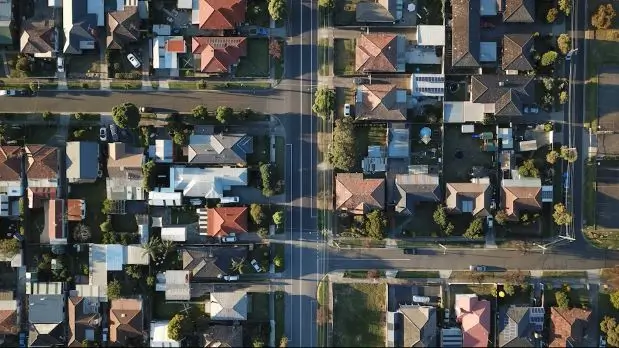
Homeowners’ associations govern more American neighborhoods than most people realize. Millions of residents live under HOA rules, pay HOA fees, and depend on the boards to make sound decisions about the communities they call home. That said, the relationship between residents and their associations, though, is far more complicated than a simple exchange of dues for services.
Yes, some residents feel genuinely supported by their HOA, but many others also feel ignored, overcharged, or locked out of decisions. Understanding what separates a well-run HOA from a dysfunctional one would require taking an honest look at the structural problems of HOAs.
Today, let’s look at some practical steps that boards, managers, and policymakers can take to close the gap.
On the surface, HOA satisfaction data tells a relatively optimistic story. Apparently, about 86% of homeowners describe their overall HOA experience as very good, good, or at least neutral. Likewise, 82% also believe their elected governing board serves the community’s best interests. This is according to the Foundation for Community Association Research’s (FCAR) 2024 Homeowner Satisfaction Survey, conducted by Zogby Analytics.
Those are not numbers that suggest widespread dysfunction, and they are worth acknowledging honestly.
But dig a little deeper, and a starkly different picture emerges. The National Association of Realtors highlights one report that tells a different picture. One, where more than half, or 57% of people who live under HOAs, say they don’t like it. Similarly, 1 in 10 also say they’ve even considered selling their home to get away from their HOA.
The gap between those two findings is worth thinking about. Residents can acknowledge that their board is doing its best while still feeling that the overall experience is less than ideal. Satisfaction and resentment, it turns out, are not always mutually exclusive.
For boards and policymakers, this tension points to something specific: the problem is not always the board’s intentions, but HOA structures. These are what shape how governance gets experienced on the ground. Closing that gap requires boards to actively work at making residents feel heard, respected, and genuinely represented.
Even when boards have the best intentions, many simply lack the support to govern effectively. This Old House highlights that between 30% and 40% of HOAs are self-managed. In other words, the association is run entirely by an elected group of volunteer board members.
This is in contrast to relying on a professional management company or hired property manager. As a result, it creates conditions where well-meaning residents are routinely asked to handle legal compliance, financial planning, vendor management, and conflict resolution.
The consequences of this gap show up in reserve funds that go underfunded, rules that get applied inconsistently, and disputes that escalate beyond what they needed to become. Take one aspect of HOA duties, like bookkeeping. According to Ledgerly, in the hands of busy volunteers, especially those who are not accountants, it can easily become a source of mistakes and troubles.
This is precisely why understanding HOA treasurer duties goes far beyond simply tracking dues and expenses. It extends into reserve studies, audits, and long-term financial planning that most volunteers are never trained to handle.
None of this is a reflection of bad character among board members. It is largely a predictable outcome of placing complex governance responsibilities on volunteers who were never given the tools to carry them out properly.
Associations operating in this space should seriously evaluate whether professional management, even part-time or consultative, would meaningfully reduce their exposure to these risks. At the policy level, state legislatures can play a constructive role by establishing baseline training or certification requirements for HOA board members.
This can help create a higher floor of competence across the sector rather than leaving individual associations to figure it out on their own.
Fees are one of the most visible and frequently cited sources of friction between HOA residents and their associations, and the numbers explain why. As data from the U.S. Census shows, some states in the country have particularly high monthly HOA fees. Some of these include New York at $739, the District of Columbia at $505, Hawaii at $470, and Connecticut at $351.
For homeowners in these states, HOA dues can represent a significant monthly expense on top of mortgage payments, property taxes, and maintenance costs, and that financial pressure shapes how residents evaluate everything else their association does.
If fees are so high, residents struggle to see a clear connection between what they pay and what they receive, which naturally leads to dissatisfaction. Boards that want to retain resident confidence need to make that connection visible and legible.
Publishing detailed breakdowns of how dues are allocated, communicating proactively about upcoming projects or cost increases, and giving residents advance notice before fee changes take effect are all practical ways to reduce the resentment that financial opacity tends to produce.
For policymakers, the fee question also has a broader housing affordability dimension worth considering. In high-cost states, there is a reasonable case for greater regulatory oversight of how associations set and justify their fee structures.
Most communities benefit when HOA boards communicate regularly rather than only during problems. Monthly updates, quarterly meetings, and clear notices about rule changes or projects help residents stay informed. When communication is predictable and transparent, it prevents misunderstandings and makes residents feel more involved in how the community is run.
HOAs can enforce community rules, collect mandatory dues, issue fines for violations, and sometimes place liens on homes if fees go unpaid. Their authority usually comes from the community’s governing documents and state laws. However, their powers are limited, and they must follow legal procedures.
Homeowners can attend association meetings, vote in board elections, serve on committees, or even run for a position on the board themselves. Many HOAs also allow residents to submit proposals or feedback during meetings. Staying informed and participating consistently is the most effective way to influence decisions.
Ultimately, as more housing developments are built with shared infrastructure and amenities, the share of Americans living under HOAs will keep growing. Thus, the central question is no longer whether HOAs will exist. They most certainly will, at least in some form or another.
Instead, the question will revolve around whether the people running them have the expertise needed to do the job well. So, the path forward doesn’t have to be about dismantling all HOAs. Instead, it can be about building the kind of governance culture that gives residents genuine reasons to trust their associations.

© 2025 Crivva - Hosted by Airy Hosting Managed Website Hosting.