

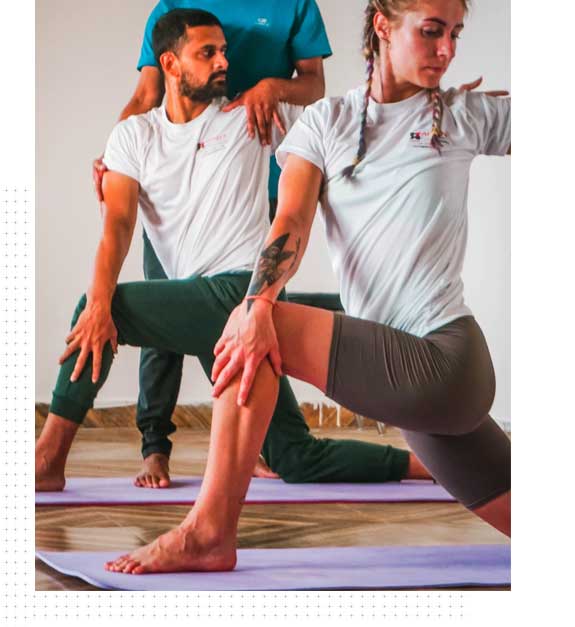
A 200-hour Yoga Teacher Training (YTT) course is the foundational program for anyone looking to become a certified yoga teacher or deepen their practice. It’s designed to equip students with the fundamental skills and knowledge of yoga, from physical postures to philosophy, and sets the stage for further advanced training. Often completed over a period of four weeks, this intensive course covers various aspects of yoga, including asanas (postures), pranayama (breathing techniques), meditation, anatomy, and teaching methodology. Let’s take a closer look at what to expect in a 200-hour YTT program and why it’s such a transformative experience.
A 200-hour YTT program provides a comprehensive introduction to the world of yoga, covering a wide range of topics:
The daily schedule in a 200-hour YTT program is typically rigorous, involving early mornings and a full day of activities. A typical day might start with a meditation and pranayama session, followed by an asana class. After breakfast, students often attend lectures on anatomy or philosophy, followed by more asana practice in the afternoon. In the evening, there might be group discussions, teaching practice, or restorative yoga.
This intensive schedule not only builds discipline but also provides a well-rounded understanding of the physical, mental, and spiritual dimensions of yoga.
Completing a 200-hour YTT is transformative for many reasons:
When choosing a 200-hour YTT, consider the location, teachers, curriculum, and the school’s reputation. Popular destinations Rishikesh, India.
A 200-hour YTT is a powerful step into the world of yoga. This immersive training develops not only teaching skills but also enhances personal practice and knowledge. For anyone seeking a deeper understanding of yoga, it’s a truly transformative journey that lays the foundation for a lifetime of growth, learning, Sound Healing, Marma Therapy and teaching.
A 200 RYT (often written RYT 200) refers to a 200-hour Registered Yoga Teacher certification. It is the foundational level of yoga teacher training and the most common entry point for people who want to teach yoga professionally or deepen their personal practice.
RYT stands for Registered Yoga Teacher, a credential issued by Yoga Alliance, an international organization that sets standards for yoga teacher training programs. To become an RYT 200, a student must complete a 200-hour yoga teacher training (YTT) from a Yoga Alliance–approved school, known as an RYS 200 (Registered Yoga School).
The 200-hour training is designed to give students a well-rounded understanding of yoga. The curriculum is divided into several core areas:
Asana (Yoga Postures)
Students learn proper alignment, modifications, benefits, and contraindications of common yoga poses. Emphasis is placed on safe sequencing and adapting poses for different bodies and skill levels.
Pranayama and Meditation
This includes breathing techniques, breath awareness, and basic meditation practices. These tools help regulate the nervous system and deepen mind–body awareness.
Yoga Philosophy
Trainees study foundational yogic texts and concepts, such as the Yoga Sutras of Patanjali, the Eight Limbs of Yoga, and ideas like karma, dharma, and mindfulness. Philosophy helps teachers understand yoga beyond physical exercise.
Anatomy and Physiology
Basic functional anatomy is covered, focusing on muscles, joints, spine health, and how the body moves in yoga poses. The goal is injury prevention and intelligent cueing rather than medical-level detail.
Teaching Methodology
Students learn how to cue effectively, demonstrate poses, create class themes, manage time, use voice and language, and hold space for students. Practice teaching is a major component.
Ethics and Professional Practice
This area covers teacher–student boundaries, inclusivity, professionalism, and the responsibilities of being a yoga teacher.
After completing the training, graduates may register with Yoga Alliance and use the title RYT 200. This allows them to teach yoga classes at studios, gyms, retreats, online platforms, and private sessions. While Yoga Alliance registration is not legally required everywhere, many studios prefer or require it.
A 200 RYT is suitable for:
Aspiring yoga teachers
Dedicated yoga practitioners seeking deeper knowledge
Wellness professionals (fitness trainers, therapists, coaches)
In summary, RYT 200 is the foundational yoga teaching credential that combines physical practice, philosophy, anatomy, and teaching skills, forming the base for a professional yoga teaching career or a more informed personal practice.

© 2025 Crivva - Hosted by Airy Hosting Managed Website Hosting.