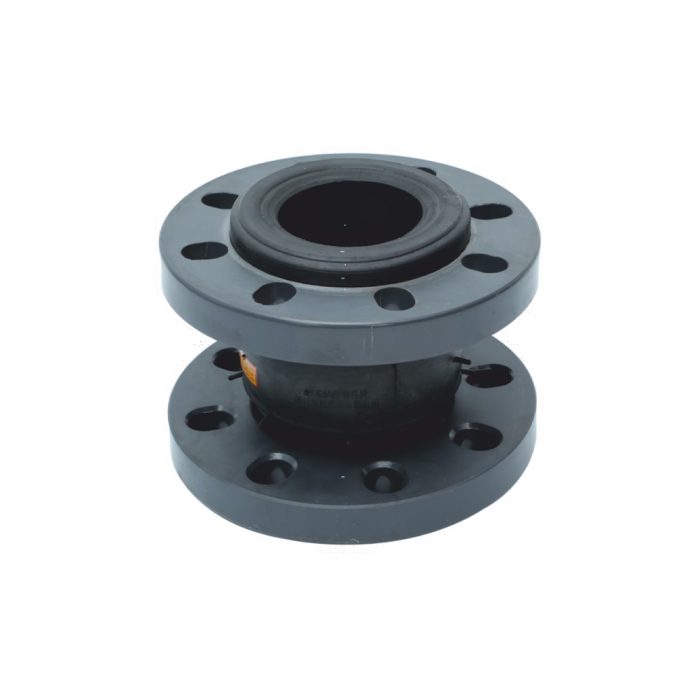
In industrial piping systems, structural flexibility is not just useful—it is essential. High temperature, pressure fluctuations, vibrations, mechanical stress, and thermal expansion constantly challenge pipelines across industries. Expansion joints serve as a critical safeguard against these stresses by absorbing movement, reducing vibration, and preventing structural damage. However, the performance and lifespan of an expansion joint heavily depend on one crucial factor: the quality and type of rubber used in its construction.
When industries upgrade or replace expansion joints, the selection of rubber is often overlooked in favor of size, design, or installation speed. Yet, the wrong choice of rubber for expansion joints can lead to premature failure, safety risks, costly maintenance, and operational downtime. In contrast, the right rubber material can significantly enhance durability, reliability, and safety over long-term use.
This guide explores why rubber selection is a key factor in expansion joint performance, helping industries choose smarter, safer, and more durable solutions. Companies with strong product expertise—such as Yukon Industries—recognize that material choice directly impacts the strength and lifespan of any expansion joint.
Expansion joints must handle enormous variations in temperature and pressure. Rubber that is not designed for these conditions will harden, crack, or lose elasticity over time.
High temperatures can cause rubber to soften, deform, or chemically break down.
Low temperatures can make rubber rigid, reducing its ability to absorb movement.
This is why specific elastomers—like EPDM, neoprene, or nitrile—are selected based on the expected operating temperature.
The internal pressure of a pipeline can exert force on the joint, stretching or compressing the rubber. Poor-quality rubber may become unstable, leading to:
Bulging
Leaks
Premature rupture
High-performance rubber compounds maintain structural integrity even under significant internal pressure, ensuring long-term safety.
One of the most overlooked aspects of choosing rubber for expansion joints is the chemical compatibility of the material with the media flowing through the pipeline.
Pipelines transport a wide range of substances:
Water
Steam
Oils
Acids
Alkalis
Slurries
Petroleum by-products
Exposure to the wrong chemical can cause rubber to:
Swell
Soften
Crumble
Lose tensile strength
EPDM performs well with hot water and steam but poorly with oils.
Nitrile (NBR) is excellent for oil-based media but not suitable for strong oxidizing chemicals.
Neoprene offers good resistance to moderate chemicals and weathering.
Choosing chemically incompatible rubber leads to rapid deterioration and system failure. Therefore, identifying the media type is essential before selecting the rubber compound.
The mechanical performance of the rubber determines how well the expansion joint withstands movement and stress.
Tensile strength – The force the rubber can withstand before breaking
Elongation – Flexibility to stretch without tearing
Compression set resistance – Ability to return to original shape after compression
Fatigue resistance – Withstanding repeated cycles over years
High-quality rubber maintains strength even under:
Repeated thermal cycles
Vibration
Mechanical loading
Heavy pipeline stress
Low-grade rubber may soften, crack, or permanently deform, limiting the lifespan of the expansion joint.
Expansion joints are not merely components—they are safety devices. They protect pipelines, equipment, and the workforce from sudden failures.
Burst pipelines due to pressure imbalance
Leakage of hazardous chemicals
Structural damage to machinery
Fire or explosion risks from flammable media
Sudden joint detachment under stress
High-quality, compatible rubber reduces the likelihood of these critical issues, ensuring plant safety and compliance with local standards.
One of the primary functions of expansion joints is to absorb vibrations from pumps, compressors, and motors.
Elastic rubber:
Reduces mechanical vibration
Minimizes stress on metal pipes
Prevents noise from traveling through the system
Stiff or degraded rubber cannot absorb vibrations effectively, leading to:
Pipeline fatigue
Increased noise levels
Accelerated wear of connected equipment
Choosing the right rubber compound directly contributes to smoother and quieter plant operations.
Expansion joints are often exposed to harsh environmental conditions depending on their location.
UV rays
Ozone exposure
Moisture
Dust
Chemical fumes
Outdoor temperature changes
Rubber like EPDM and neoprene offer excellent weather resistance, while nitrile may degrade faster under outdoor exposure. Matching the rubber to environmental conditions ensures higher durability and minimal maintenance requirements.
Expansion joints compensate for:
Lateral movement
Axial movement
Angular movement
The ability of the rubber to stretch and compress without damage determines how well the joint performs this function.
Rigid or low-quality rubber may:
Resist movement
Transfer stress to metal components
Crack under strain
Cause premature failure
High-quality elastomers maintain flexibility throughout their service life, allowing the joint to function as intended.
Choosing the correct rubber for expansion joints does not just improve performance—it also reduces operating costs.
Longer service life
Fewer breakdowns
Reduced downtime
Lower maintenance labor
Fewer replacements over time
Cheap rubber may seem budget-friendly initially but becomes more expensive due to frequent failures and repairs. Investing in the correct material upfront saves significantly in the long run.
Expansion joint materials must comply with industry regulations and quality standards to ensure safety and performance.
Standards vary across:
HVAC systems
Chemical plants
Oil & gas pipelines
Water treatment facilities
Power plants
Selecting the correct rubber helps industries meet certification requirements and ensures reliable long-term operation.
Since every application has unique conditions, choosing the right rubber requires specialized knowledge. Manufacturers with deep expertise understand how each rubber compound behaves in real operating environments.
Experienced industry partners ensure:
Correct rubber composition
Proper reinforcement materials
Suitable thickness and construction
High-quality vulcanization
Accurate performance testing
Trusted suppliers also guide industries in selecting the most suitable material for long-lasting safety and performance.
The rubber material used in expansion joints is far more than just a structural component—it is the foundation of the joint’s durability, flexibility, and safety. Everything from temperature and chemical resistance to environmental exposure and mechanical strength depends on the rubber’s quality and compatibility. Choosing the wrong rubber can result in severe consequences: leaks, system failures, safety risks, and costly downtime.
On the other hand, selecting the right rubber for expansion joints ensures long-term reliability, reduced maintenance, and smooth operation even in the harshest industrial environments. This is why many industries rely on knowledgeable suppliers such as Yukon Industries, where material expertise and product engineering go hand in hand to deliver durable and safe solutions.

© 2025 Crivva - Hosted by Airy Hosting Managed Website Hosting.