Modern organisations rely on many devices to run daily work and tasks. Computers, servers, printers, and network tools shape each step and guide work. Without clear control, these assets can slip into chaos and confusion fast. This is where IT hardware asset management steps in and brings order. It helps teams track, manage, and use every device in a smart way. Today, businesses chase speed and accuracy in every single task they perform.
They need systems that guide each asset from purchase to safe disposal. With strong management, companies cut waste, boost safety, and build better plans. So, organisations that embrace this approach often stay ahead in a fast-moving world and grow with strength.
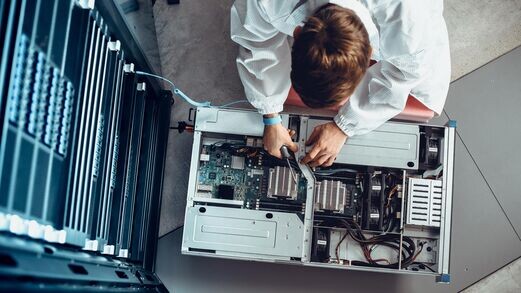
IT hardware asset management means tracking and managing physical IT assets across their full life cycle. It covers planning, buying, using, fixing, and retiring devices in a clear flow. This process brings order to complex systems and removes confusion from daily work. It helps teams know what they own, where each device sits, and how it performs. As a result, organisations avoid mistakes and make wise choices with confidence and care.
Key Elements of Asset Management
To understand this better, let’s break down the core elements in simple steps:
Each element works together to build a strong system that supports growth and smooth work every day.
Technology grows at a fast pace and shapes how organisations work each day. Organisations add new devices and retire old ones very often now. Without control, this growth creates gaps, risks, and confusion across teams and systems. IT Hardware Asset Management helps businesses stay organised and ready for every change. It gives clear visibility and control over all devices in one place. This clarity helps teams act fast and make smart decisions with ease.
Better Visibility Across Assets
When teams track assets well, they gain full visibility across all systems. They can locate devices quickly and check their status without delay. This clarity removes confusion, saves time, and supports better daily actions.
Organisations often waste money on unused or lost devices without knowing it. Asset management helps teams spot such issues and fix them quickly. They can reuse equipment and avoid extra spending in the future.
Untracked devices can create security risks and open doors for threats. Hackers may target weak points and steal important data. A proper system helps teams secure every asset and protect data with care.
Technology plays a vital role in improving asset control and shaping better work. Tools and systems help automate tasks and reduce manual work across teams. These tools bring speed, accuracy, and clarity into daily operations.
Use of Hardware Asset Management Software
Many organisations now rely on hardware asset management software to handle complex tasks with ease. This software collects data, updates records, and shows reports in simple ways. With such tools, teams can track devices, fix issues, and plan better actions.
With these tools, teams can:
Track devices in real time with clear updates
Receive alerts for repair and maintenance needs
Generate reports that show clear asset details
Reduce manual errors and save time each day
This approach saves time and improves accuracy in every step of work.
An asset tracking system connects tools and builds one clear platform for teams. It allows teams to monitor assets across many locations without confusion. These systems use smart tools to track and update asset details.
Such systems use technologies like the following:
These tools help teams locate assets and update records with ease and speed.
Every device moves through a lifecycle that shapes how teams manage it. Understanding these stages helps organisations control assets in a better way.
Planning and Procurement
Teams plan their needs and select devices that match their goals and work. They focus on quality and long-term value while making smart choices.
After purchase, teams set up devices and give them to users for work. Proper setup ensures smooth performance and fewer issues later.
Regular checks keep devices strong and working well each day without failure. Teams fix issues early and avoid major breakdowns.
When devices age or fail, teams retire them with care and clear steps. They dispose of assets safely and protect data from loss.
A strong system delivers many benefits that support daily work and long-term growth. It helps teams stay organised and ready for every challenge ahead.
Increased Efficiency
Teams work faster when they know where assets are at all times. They spend less time searching and more time completing tasks.
Clear data helps leaders make smart decisions and guide teams with confidence. They can plan upgrades and use resources in the best way.
Regular checks keep devices in good condition and prevent sudden breakdowns. This reduces delays and keeps work moving without stops.
Proper disposal reduces waste and protects the environment from harm. Organisations can recycle devices and support green practices.
While asset management offers many benefits, it also brings some challenges for teams. These challenges need attention and clear action to solve.
Large Volume of Devices
Modern organisations use many devices which can feel hard to manage daily. Without systems, teams may struggle to track everything clearly.
Without tracking, teams may lose sight of assets and their current status. This leads to errors, waste, and confusion in daily work.
Unmanaged devices can expose data and create risks for organisations. Teams must stay alert and protect every asset with care.
To succeed, organisations should follow simple steps that build a strong system. These practices help teams manage assets with ease and confidence.
Maintain Accurate Records
Teams should update asset details often and keep records clean and clear. Accurate data ensures smooth work and better control.
Tools like hardware asset management software reduce manual work and boost speed. They help teams complete tasks with fewer mistakes.
Employees should learn the system and use the tools in the right way daily. Training builds confidence and improves work quality.
Technology continues to grow and shape the future of asset management systems. Organisations must adapt and prepare for new changes ahead.
Rise of Smart Devices
Smart devices will grow in number and change how teams manage assets daily. Organisations must prepare to handle them with care.
AI tools will study data and predict issues before they happen. In addition, this helps teams act early and avoid problems.
Organisations will focus on reducing waste and saving resources for the future. They will adopt eco-friendly ways to manage assets.
An asset tracking system plays a key role in business growth and success. It provides real-time data and helps teams make better decisions each day. With proper tracking, organisations can improve work and reduce losses.
With proper tracking, organisations can:
Therefore, this system acts as a strong base for modern operations and future growth.
Success depends on tools and also on a strong culture within teams. Organisations must build habits that support good asset management daily.
Encourage Accountability
Employees should take care of devices and use them with full responsibility. This builds trust and reduces misuse of assets.
Teams should understand the value of asset management in daily work. Awareness leads to better actions and strong habits.
Organisations should review systems and improve them over time through learning. This keeps them ready for change and growth.
Overall, IT hardware asset management plays a key role in modern organisations and daily work. It brings structure, clarity, and control to complex systems and devices. With proper management, businesses reduce waste, improve security, and boost efficiency. As technology grows, organisations must adapt and refine their systems with care. They should use tools like hardware asset management software and build strong processes. By doing this, they unlock full value from assets and support long-term success.
It means tracking and managing physical IT devices through their full lifecycle stages.
An asset tracking system helps locate devices and improve work across teams.
It automates tasks, reduces errors, and shows clear details about assets.
It improves efficiency, reduces costs, boosts security, and supports smart decisions.

© 2025 Crivva - Hosted by Airy Hosting Managed Website Hosting.