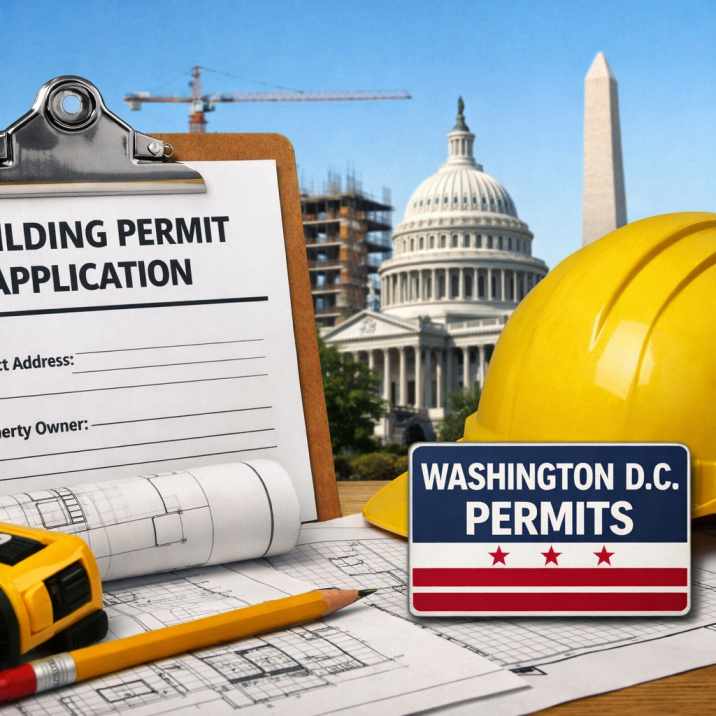
Construction in Washington DC involves strict rules. Every building project must pass city review before work begins. These reviews check safety, zoning rules, and building codes.
Many projects slow down because permit planning starts too late. Teams focus on design and construction timelines but forget the permit process. When the permit stage begins, missing documents or code issues appear.
This leads to review comments, revisions, and delays. Weeks can pass before approval arrives.
Permit planning from the start helps avoid these problems. It prepares the project so that the permit review can move forward without major issues.
Washington DC has detailed building rules. These rules guide how structures are designed and built. The city checks plans to confirm safety, zoning limits, and public access.
Permit reviewers study drawings carefully. They check building height, property lines, fire exits, and accessibility features.
If plans fail to meet these rules, the city sends correction notices. Each correction adds time.
Planning for permits early helps avoid these delays.
Projects that prepare strong documentation may qualify for Expedited Permits, which can shorten review timelines.
Zoning rules control what can be built on each property. These rules affect building height, lot coverage, and building use.
Before design begins, teams should confirm:
Ignoring zoning rules often leads to permit rejection.
For example, if a building exceeds the allowed height or sits too close to a property line, the design must change.
Fixing these problems after submission slows the project.
Early zoning review prevents these issues.
Permit planning is not just paperwork. It directly affects how the building is designed.
Architects must prepare drawings that show:
These details allow city reviewers to check safety and code rules.
If drawings lack information, the permit office will ask for revisions.
Revisions can delay the project for weeks.
Planning the permit package during design helps ensure the drawings include all required details.
Construction projects involve many professionals. Architects, engineers, and contractors all play a role.
If these teams work without coordination, design conflicts can appear.
For example:
These conflicts lead to permit corrections.
Coordinating design teams early prevents many of these issues.
It also helps create a complete permit package before submission.
Permit delays affect more than paperwork. They affect the entire project timeline.
When permits take longer than expected, contractors must adjust schedules. Materials may arrive late. Tenants or owners may have to delay move-in plans.
Some projects depend on strict timelines.
Retail stores may miss opening dates. Office renovations may disrupt tenant plans.
Permit planning from the beginning protects the schedule.
Many projects face permit delays because of small errors.
Common problems include:
These issues cause review comments.
Correcting them requires new drawings and additional review.
Careful planning helps remove these mistakes before submission.
Washington DC is a dense city with historic buildings, federal zones, and mixed-use neighborhoods. Because of this, construction projects face strict review.
City officials check plans to protect public safety and preserve the character of neighborhoods. Many areas in DC have height limits and historic guidelines. Projects near government buildings or historic districts may face extra review.
Permit planning helps teams understand these rules before submitting drawings.
When these limits are ignored, the permit office sends revision requests. Each revision pushes the timeline further.
Early research avoids this problem.
Permit approval depends on proper documentation. A building department cannot review a project without the right paperwork.
Most permit packages include:
If one document is missing, the permit review pauses.
Preparing these documents early keeps the process moving.
Teams that organize documents before submission reduce delays and avoid repeated review cycles.
Washington DC permit rules can be complex. Each project must pass several reviews before approval.
Many builders work with a Permit Expediter DC to guide the process.
An expediter helps prepare the permit package and confirm that all documents meet city requirements. They also submit the application and track the review progress.
If the city requests changes, the expediter helps respond quickly.
This support keeps projects moving forward and reduces delays.
Permit approval is one of the first steps in construction. If this step slows down, the entire project timeline shifts.
Strong planning helps prevent these setbacks.
When the permit package is clear and complete, city reviewers can check it more efficiently.
This helps projects move from design to construction without long pauses.
Construction in Washington DC requires careful permit planning. The city reviews each project to confirm safety, zoning rules, and building code compliance.
Projects that begin permit planning early face fewer delays. Clear drawings, strong documentation, and coordinated teams help the review move faster.
Good planning saves time and protects the construction schedule.
Starting the permit process early helps ensure the project moves forward without unnecessary obstacles.
Early planning helps confirm zoning rules, building codes, and document requirements before submission. This reduces the chance of permit delays.
Permit delays often happen because drawings are incomplete, zoning rules are ignored, or required documents are missing.
Yes. Even smaller renovations must follow city codes and zoning rules. Planning helps ensure the project meets these requirements.
Permit expediting helps organize documents, review drawings, and track permit status. This reduces errors and helps the review process move faster.
Permit timelines vary by project size and review requirements. Some permits take a few weeks, while complex projects may take longer if revisions are needed.

© 2025 Crivva - Hosted by Airy Hosting Managed Website Hosting.