

Rebar detailing is the moment when a project either gains execution stability or starts accumulating silent risk. Long before concrete is poured or reinforcement is fixed, decisions made during rebar detailing determine how well design intent translates into buildable reality. When this process runs separately from BIM workflows, coordination depends on interpretation and timing rather than shared understanding. When rebar detailing is embedded within BIM, execution moves from reactive problem-solving to planned delivery.
This integration does not change who performs the work. It changes how information behaves. Engineers, builders, modelers, and drafters gain access to aligned data, reducing dependency on assumptions and late clarifications. The result is not theoretical improvement but measurable control over how a project advances from model to site.
Rebar information has traditionally followed the structural model rather than evolved with it. Structural geometry is issued, detailing begins, and changes are addressed through revisions. Each adjustment introduces delay, coordination effort, and risk exposure. These challenges are not caused by detailing capability but by workflow separation.
When Rebar Detailing Services operate within a BIM environment, this separation disappears. Rebar layouts respond directly to design updates, slab revisions, and framing adjustments. Detailing decisions are informed by live geometry instead of static references. This alignment reduces the gap between design development and construction documentation, allowing detailing teams to contribute earlier and more effectively.
The workflow becomes collaborative rather than sequential. Structural intent, constructability logic, and detailing constraints exist within the same digital space. This shared environment allows project teams to resolve issues while change still carries minimal cost and minimal disruption.
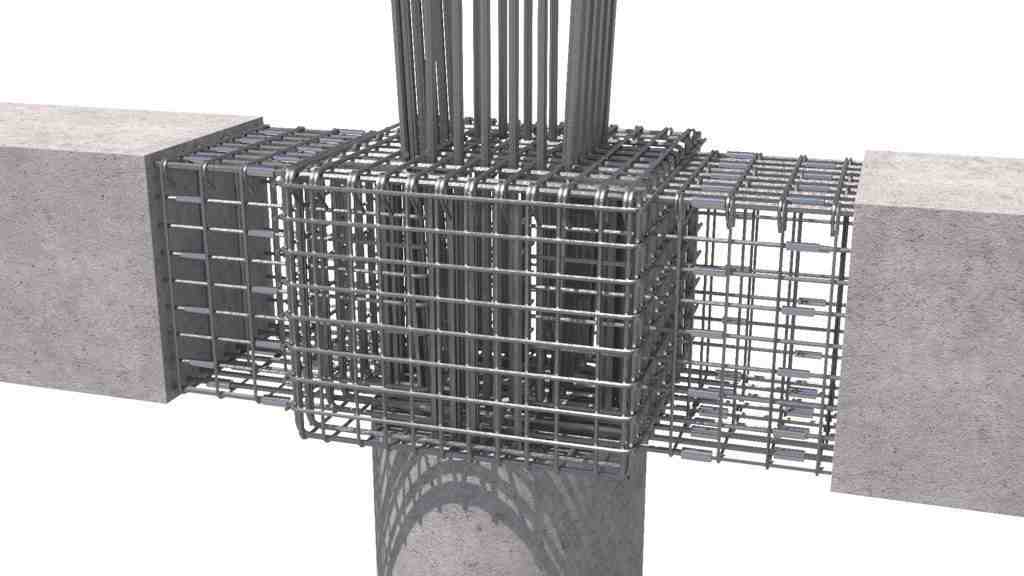
BIM’s real value for rebar work lies in coordination, not visualization. Within a coordinated model, rebar data interacts with structural elements, embeds, sleeves, and openings in real time. This interaction allows detailing teams to validate spacing, cover requirements, and bar continuity against actual project geometry rather than abstract drawings.
Through Rebar Modeling Services, reinforcement logic becomes model-driven instead of document-driven. Bar placement adapts as beam depths shift or column sizes change. Congestion zones become visible early, allowing rational adjustments before documentation is finalized. This approach supports smoother collaboration between engineers and detailers because both are referencing the same evolving model.
Coordination meetings also become more productive. Instead of debating drawing interpretations, teams review modeled conditions. This shared reference reduces misalignment and accelerates agreement, which directly supports tighter execution schedules.
Rebar Shop Drawings are only as reliable as the data behind them. When drawings are produced from uncoordinated or partially updated inputs, downstream teams inherit uncertainty. Fabrication and site crews then compensate through manual adjustments, increasing the likelihood of delays and rework.
When shop drawings are extracted from a coordinated BIM model, they carry contextual intelligence. Bar marks, quantities, and placement logic reflect the current structural condition. Revisions are traceable and controlled rather than disruptive. This consistency supports fabrication planning and site sequencing without the need for constant clarification.
The trust built around drawing outputs also changes how teams engage with them. Builders and site engineers rely more confidently on issued documentation because it represents an integrated view rather than a standalone interpretation.
One of the most overlooked advantages of combining rebar detailing with BIM is data continuity. Rebar data does not exist only for drawings. It informs quantities, sequencing strategies, and construction planning. When detailing is embedded within BIM, this data flows forward without re-entry or reinterpretation.
Rebar Drawings generated from model-based workflows reflect not only bar geometry but also intent. Lap locations, termination points, and support conditions align with structural logic already reviewed by engineering teams. This continuity reduces the need for site-level decisions that introduce variability into execution.
For large or complex projects, this consistency becomes a stabilizing factor. Teams operate from aligned information rather than fragmented documents, allowing execution to progress with fewer interruptions.
Design change is inevitable. The impact of change depends on how well workflows absorb it. In isolated rebar detailing processes, even minor revisions can cascade into widespread redrafting and coordination effort. BIM-based workflows absorb change more gracefully because rebar logic remains connected to the model.
When structural changes occur, Rebar Detailing within BIM adapts alongside them. Updates propagate through the model, allowing detailing teams to adjust layouts without restarting the process. This adaptability preserves momentum and protects schedules, particularly during late-stage design development.
Change management also becomes more transparent. Teams can identify exactly what has changed, why it changed, and how it affects reinforcement logic. This clarity supports faster decision-making and reduces friction between disciplines.
Combining rebar detailing with BIM reshapes collaboration dynamics. Engineers gain visibility into detailing constraints earlier. Detailers understand design priorities more clearly. Builders receive documentation that reflects constructable conditions rather than theoretical layouts.
This alignment does not eliminate coordination effort, but it makes coordination purposeful. Discussions focus on execution strategies rather than document discrepancies. The model becomes a shared reference point, reducing reliance on assumptions and personal interpretation.
For professional teams working under tight timelines, this collaboration model supports consistency and accountability across disciplines.
Projects delivered through integrated rebar and BIM workflows tend to develop institutional knowledge. Lessons learned during modeling and detailing are embedded within the data environment, supporting better outcomes on future projects. Teams refine their coordination strategies, detailing standards, and sequencing logic over time.
For organizations delivering repeat project types, this approach supports scalability. Rebar Detailing Services and Rebar Modeling Services become part of a repeatable execution framework rather than isolated project tasks. This consistency supports predictable delivery, which remains a core priority for professional engineering and construction teams.
Combining rebar detailing with BIM is not about changing roles or introducing complexity. It is about aligning information flow with how projects are actually built. When rebar logic, structural intent, and execution planning operate within a single environment, project teams gain clarity, control, and confidence.
For engineers, builders, modelers, and drafters focused on delivery outcomes, this integration represents a practical shift toward execution certainty. It allows teams to spend less time resolving avoidable issues and more time advancing work with shared understanding. In an industry where coordination defines success, this alignment is no longer optional.

© 2025 Crivva - Hosted by Airy Hosting Managed Website Hosting.