


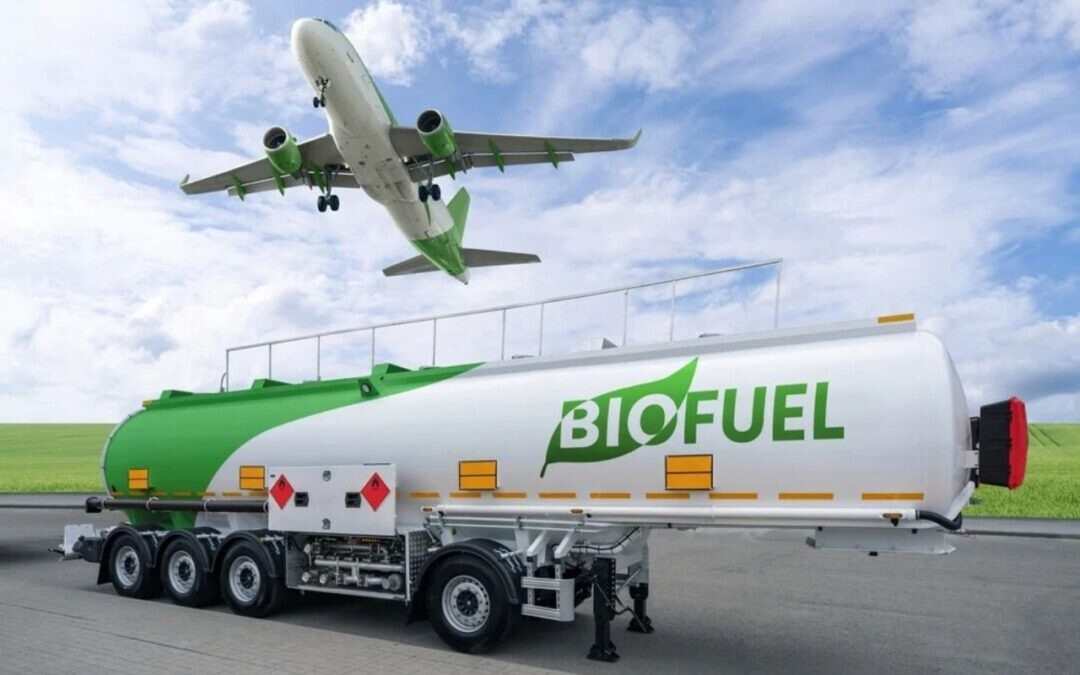
The aviation industry is under growing pressure to reduce its environmental impact while still meeting rising global travel demand. Airlines today are not only competing on price and service but also on how responsibly they operate. This shift is creating new opportunities for businesses that are willing to innovate. One of the most promising solutions is the adoption of cleaner fuel alternatives that can reduce emissions without requiring major changes to existing aircraft.
Forward-thinking airlines are already exploring new fuel strategies to stay ahead of regulations, improve their brand image, and attract environmentally conscious customers. These efforts are not just about sustainability, they are also about long-term profitability and resilience.
Traditional aviation fuel has powered the industry for decades, but it is also a major contributor to carbon emissions. As governments introduce stricter environmental regulations and customers demand greener travel options, airlines are rethinking how they operate.
This is where sustainable jet fuel comes into play. It is produced from renewable resources such as waste oils, agricultural residues, and even algae. Unlike conventional fuels, it can significantly reduce lifecycle emissions while being compatible with existing aircraft engines. This means airlines can adopt it without costly fleet upgrades.
By gradually integrating cleaner fuel options, airlines can reduce their environmental footprint while maintaining operational efficiency.
Adopting cleaner fuel solutions is not just about compliance, it offers real business advantages.
KLM has been a pioneer in adopting cleaner fuel alternatives. The airline has partnered with fuel producers to secure a steady supply and has operated multiple commercial flights using blended fuels.
One notable initiative involved KLM’s collaboration with corporate partners to co-fund fuel purchases. This shared responsibility model allowed the airline to scale its use of cleaner fuels without bearing the full financial burden alone.
The result has been both environmental and commercial success. KLM has strengthened its reputation as a sustainability leader while gaining support from environmentally conscious business clients.
United Airlines has taken a bold approach by investing directly in fuel innovation startups. The company has committed to purchasing large volumes of cleaner fuel and has integrated it into regular operations.
In one instance, United operated flights using fuel derived from waste materials, demonstrating that alternative fuels can work at scale. The airline has also set ambitious emission reduction goals, aligning its fuel strategy with long-term business growth.
This approach has helped United attract investors focused on sustainability while also preparing the airline for future regulatory changes.
Switching to cleaner fuels is not without challenges. Airlines must carefully plan their transition to ensure efficiency and cost-effectiveness.
Supply Chain Development
The availability of cleaner fuels is still limited in many regions. Airlines need to build partnerships with suppliers and invest in infrastructure to ensure consistent supply.
Blending and Compatibility
Most alternative fuels are currently used in combination with traditional aviation fuel. This blending process allows airlines to gradually increase usage without disrupting operations.
Investment Planning
Adopting new fuel strategies requires upfront investment. However, the long-term benefits often outweigh the initial costs, especially as global demand for greener travel continues to rise.
Airlines that act early gain a significant competitive edge. They can secure supply agreements, build expertise, and establish themselves as leaders in sustainable aviation.
Early adoption also allows airlines to experiment and improve their strategies before regulations become stricter. This proactive approach reduces risk and ensures smoother transitions in the future.
In addition, businesses that embrace cleaner fuel solutions often find new revenue opportunities, such as partnerships with corporations looking to offset their travel emissions.
The transition to cleaner fuels cannot happen in isolation. It requires collaboration across the aviation ecosystem, including fuel producers, governments, and technology providers.
Airlines that actively participate in innovation projects are better positioned to shape the future of the industry. By working together, stakeholders can scale production, reduce costs, and make cleaner fuels more accessible worldwide.
The aviation industry is at a turning point. Sustainability is no longer optional—it is becoming a core part of business strategy. Airlines that invest in cleaner fuel solutions today are not only reducing their environmental impact but also building a stronger and more resilient future.
As technology advances and production increases, these fuels will become more widely available and cost-effective. The airlines that lead this transition will set new standards for the industry and gain a lasting competitive advantage.
5. How can airlines start using cleaner fuels?
Airlines can begin by forming partnerships with fuel suppliers, investing in long-term agreements, and gradually increasing the percentage of cleaner fuel in their operations.

© 2025 Crivva - Hosted by Airy Hosting Managed Website Hosting.