

Launching a successful digital product requires moving beyond disorganized, ad-hoc programming. In today’s hyper-competitive software landscape, over 70% of digital projects suffer severe launch delays due to unclear requirements and poor upfront planning. A modern app cannot rely on guesswork; it requires a structured, predictable engineering workflow.
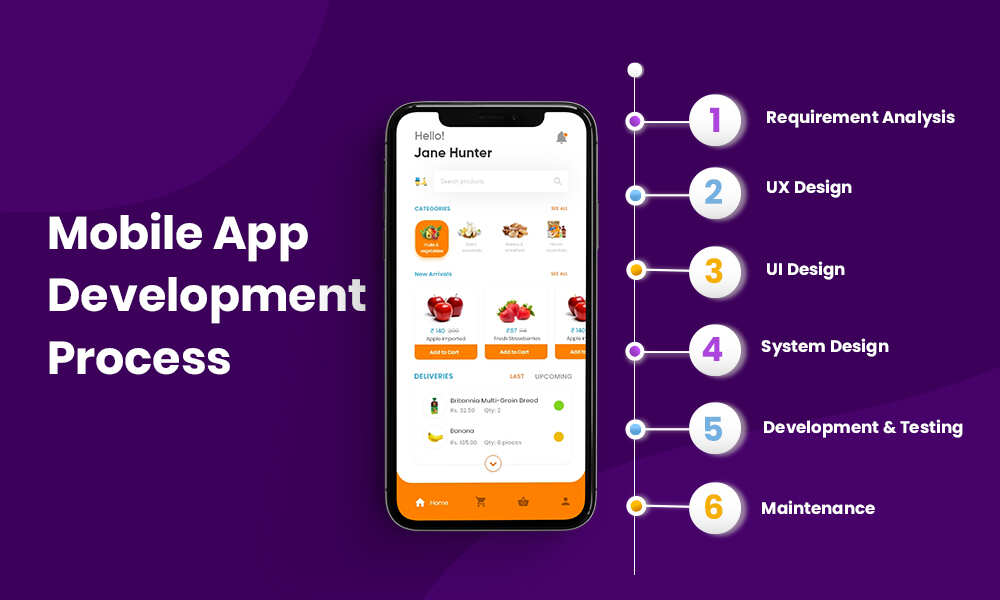
The Mobile App Development Lifecycle (MADL) provides this framework. It acts as a comprehensive roadmap that transforms a raw corporate concept into a scalable, production-ready product. This article breaks down the 7 essential phases of the modern software engineering lifecycle, highlighting the key milestones and common pitfalls to avoid at each stage.
+------------------------------------------------------------------------+
|                 THE MODERN SOFTWARE LIFECYCLE PIPELINE                 |
+------------------------------------------------------------------------+
|  [1. Discovery] -> [2. Specifications] -> [3. UI/UX] -> [4. Coding]    |
|                                                                        |
|  [7. Maintenance] <- [6. Deployment] <- [5. Quality Assurance (QA)]   |
+------------------------------------------------------------------------+
Every major application starts with an idea, but its success depends on market validation. The discovery phase focuses on researching user needs, studying competitor drawbacks, and proving technical feasibility.
Instead of asking what features to build, focus on why the user needs them. This stage helps define your product’s Unique Value Proposition (UVP) and establishes your target audience personas. By researching existing solutions early, you can spot market gaps and design features that solve real user frustrations.
Once your core idea is validated, it must be translated into detailed technical specifications. This phase produces your Software Requirement Specifications (SRS) document, locks down your initial feature scope, and maps out your technology stack.
A key part of this stage is defining your Minimum Viable Product (MVP). By separating must-have core features from optional, secondary enhancements, teams can avoid scope creep—a major cause of budget overruns and delayed launches. This is also when you select your underlying framework architecture (Native vs. Cross-Platform) and map out your backend cloud infrastructure dependencies.
This phase turns abstract requirements into visual layouts. Design happens in two closely linked stages:
UX Design: Focuses entirely on usability, application logic, and user behavior. Designers create low-fidelity wireframes and user journey maps to ensure users can navigate the application with minimal friction.
UI Design: Once the structural logic is approved, designers add the visual layer. This includes defining design systems, choosing typography, establishing color hierarchies, and creating interactive prototypes.
Testing these clickable prototypes with real users before coding begins allows you to refine usability flaws when they are still cheap and easy to fix.
This is where developers bring your designs to life through code. Modern mobile engineering splits development into two core tracks:
Frontend Development: Building the client-side user interface that runs directly on the device. Developers use languages like Swift (for iOS), Kotlin (for Android), or Dart (for Flutter) to turn design assets into responsive, working app screens.
Backend Engineering: Setting up the unseen server infrastructure, database models, and internal business logic. This includes building custom RESTful or GraphQL APIs, setting up secure user authentication protocols, and configuring database webhooks.
Using Agile development methods and breaking work into structured two-week sprints keeps development flexible, transparent, and aligned with stakeholder feedback.
Quality assurance shouldn’t be squeezed into the final week before launch; it should be a continuous part of the development lifecycle. This phase runs your app builds through a multi-layered testing process:
Functional Testing: Verifies that every feature, button, form, and navigation path works exactly as detailed in your project requirements.
Device Compatibility Testing: Validates performance across varying screen aspect ratios, hardware setups, and operating system versions to eliminate fragmentation issues.
Performance & Load Testing: Checks how the application behaves under poor network conditions and ensures backend servers scale smoothly during sudden traffic spikes.
Security Vulnerability Audits: Focuses on data encryption at rest and in transit, verifying secure token handling, and closing potential API vulnerabilities.
Once internal testing is complete, the application moves to public deployment on the Apple App Store and Google Play Store. This phase requires strict compliance with individual platform store guidelines to avoid review rejections.
+-------------------------------------------------------------------------+
|                  PRODUCTION STORE SUBMISSION RUNBOOK                    |
+-------------------------------------------------------------------------+
|  [Store Copy Optimization] --> Keywords, descriptions, and privacy URLs |
|  [Visual Asset Packaging]  --> Platform-specific screenshots and videos  |
|  [Release Track Target]    --> Phased rollouts and staged production     |
+-------------------------------------------------------------------------+
Beyond technical assembly, this phase includes App Store Optimization (ASO). Writing keyword-optimized descriptions, designing clear screenshots, and publishing accurate privacy disclosures are essential for driving organic downloads post-launch.
The lifecycle doesn’t end once your app goes live in the stores. Long-term success requires continuous maintenance, real-time performance monitoring, and iterative feature updates based on user analytics.
This final stage involves monitoring real-time crash reports, optimizing cloud server costs, and updating the codebase to remain fully compatible with annual iOS and Android operating system updates. Tracking user engagement metrics tells you exactly which features work well and where the user flow needs refinement in your next update cycle.
Skipping steps in the development lifecycle to rush to market introduces heavy technical debt. For instance, jumping straight into coding without validating your wireframes often leads to a confusing interface that users quickly abandon.
Similarly, rushing past quality assurance typically results in critical production bugs that hurt your app store ratings. Following a structured, disciplined phase progression ensures your final application is secure, stable, and built to scale.
Navigating the complexities of a professional software lifecycle requires a partner with deep technical experience and a proven development process. A well-structured development plan minimizes project friction and ensures a smoother path to launch.
As an established leader in corporate digital transformation, Sparkout Tech Solutions delivers end-to-end mobile app development services built on transparent, industry-proven lifecycle methodologies. From initial discovery and UI design to cloud API engineering and long-term post-launch support, their expert engineering teams build custom mobile platforms designed to drive business efficiency and long-term growth.

© 2025 Crivva - Hosted by Airy Hosting Managed Website Hosting.