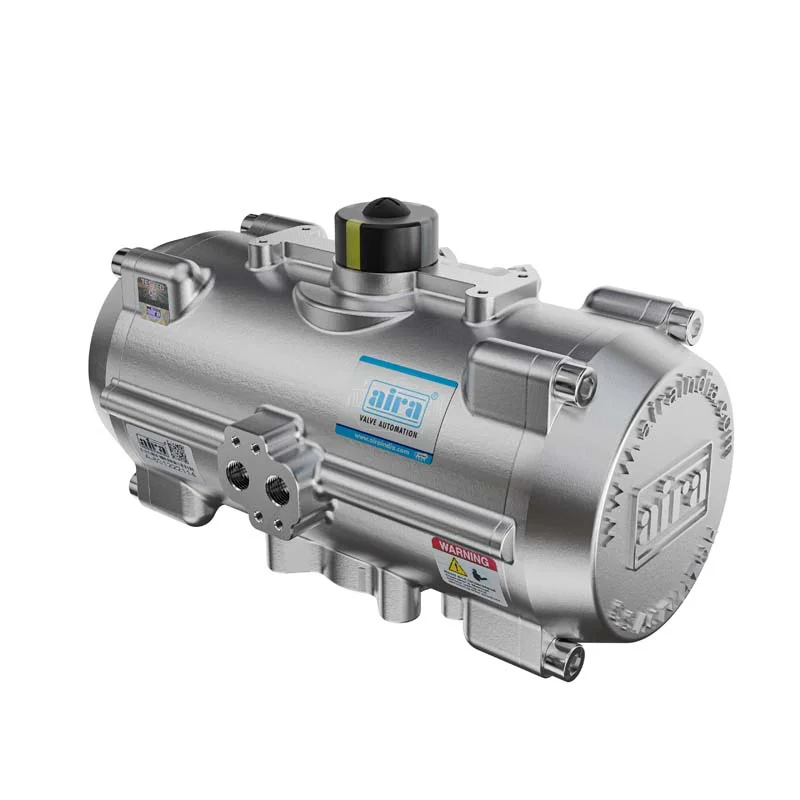
In every industrial environment, efficiency, precision, and reliability are the foundation of seamless operations. As industries continue to automate at a rapid pace, pneumatic actuators have become a preferred choice for powering mechanical movements across process plants, manufacturing units, material handling systems, and automation lines. Whether small or large-scale, industries rely on pneumatic actuators to convert compressed air into controlled mechanical force, making them essential components in modern flow-control systems.
If you are planning to upgrade your system, choosing the right pneumatic actuator is more than just selecting a powerful model—it requires a clear understanding of system needs, performance expectations, and environmental factors. Many businesses partner with reliable automation experts like 4ma Valves Automation to ensure the upgrade aligns with long-term operational goals.
This detailed guide covers the key factors you must evaluate before upgrading to a new pneumatic actuator.
The environment in which your actuator will operate can drastically affect its lifespan and performance.
Extreme temperatures can cause seals to crack or lubrication to dry out.
High heat may reduce efficiency or damage internal components.
Very low temperatures can freeze air or slow actuator response.
Choosing actuators with temperature-resistant materials and specialized seals becomes critical for such cases.
Moisture can cause corrosion, especially in metallic actuator bodies. If your plant deals with water, steam, or high humidity, consider:
Corrosion-resistant materials
Protective coatings
Moisture-resistant seals
Industries such as chemical processing, mining, pharmaceuticals, and food manufacturing may expose actuators to harmful contaminants. Selecting an actuator with proper enclosure ratings ensures long-term reliability.
One of the most crucial steps before upgrading is understanding the exact force or torque needed for optimal performance.
The actuator must provide enough power to start, stop, open, or close the valve or mechanism it is attached to—without creating excessive wear and tear.
Type of valve or load: Ball valves need different torque levels compared to butterfly or plug valves.
Breakaway torque: Valves often require extra torque at the beginning of movement.
Dynamic torque: Torque needed during continued operation.
Safety margins: Always consider a safety factor (typically 20–30%) to prevent system stress.
Upgrading to an undersized actuator can lead to:
Valve damage
Higher maintenance frequency
Unexpected shutdowns
Oversizing, on the other hand, increases energy consumption and operational cost. Balanced selection is essential.
Pneumatic actuators rely entirely on compressed air, so the quality and availability of air supply determine efficiency.
Confirm the actuator’s operating pressure range and ensure your compressor can deliver it consistently. Fluctuating pressure results in:
Delayed operations
Incomplete strokes
Inaccurate positioning
Poor air quality can cause internal damage, corrosion, or valve blockage. Ensure:
Proper filtration
Moisture removal
Oil-free or lubricated air (depending on actuator design)
A high-performance actuator will still underperform if the air supply system is weak or contaminated.
Before upgrading, it is important to decide between single-acting and double-acting actuators.
Uses air for one direction, spring for the other
Ideal for fail-safe operations
Commonly used in emergency shutdown systems
Uses air pressure for both opening and closing
Offers higher torque output
More energy-efficient for continuous operation
Your application’s safety, energy needs, and response requirements will determine the right choice.
Modern industries rely on automation systems like PLCs, SCADA, and IoT-based monitoring. Ensure your actuator upgrade supports the required control technologies.
Positioners (digital or analog)
Solenoid valves
Feedback sensors
Limit switches
Manual override systems
If the actuator does not support your existing or future automation setup, it can create integration challenges and additional costs.
Different applications demand different operation speeds.
Industries like bottling, packaging, and robotics often require rapid actuation cycles.
In processes like chemical dosing, gradual motion is essential to prevent surges and maintain precision.
Choose actuators that allow:
Adjustable stroke speed
Controlled acceleration and deceleration
Smooth operation without jerks
Upgrading without performance alignment can create operational inefficiencies.
Safety is always a top priority in industrial operations.
Fail-close or fail-open options
Spring return functionality
Emergency manual override
High-integrity sealing
Overpressure protection
A reliable pneumatic actuator should protect your system even in:
Power failures
Air supply interruptions
System pressure drops
The longevity of a pneumatic actuator heavily depends on its construction.
Aluminum: Lightweight, cost-effective
Stainless Steel: Best for corrosive environments
Composite Polymers: Resistant to chemicals, lightweight
Check for:
High-quality seals
Precision-machined pistons
Lubrication systems
Anti-corrosion coatings
A robust build not only extends lifespan but reduces long-term maintenance cost.
Before upgrading, evaluate how easy it is to maintain the actuator.
Availability of replacement parts
Ease of disassembly
Predictive maintenance compatibility
Long-term service intervals
Choosing an actuator with low maintenance needs saves significant downtime and labor cost over the years.
Cost of upgrade is not limited to buying the actuator.
Installation cost
Air consumption cost
Maintenance cost
Replacement parts
Downtime in case of failure
Sometimes, a slightly more expensive actuator delivers better efficiency, reliability, and long-term savings, making it a smarter investment.
Upgrading to a pneumatic actuator is not merely a technical decision—it is a strategic step toward improving operational efficiency, automation capability, and long-term system performance. From air supply quality to torque requirements and environmental conditions, every factor plays a crucial role in ensuring the actuator performs reliably throughout its lifecycle.
Instead of focusing only on cost or power, look at the bigger picture: automation needs, energy use, safety requirements, and system compatibility. When all these elements are aligned, your upgrade will deliver smooth operation, reduced downtime, and a stronger return on investment.
For industries planning to modernize their systems, working with knowledgeable automation partners like 4ma Valves Automation ensures the upgrade is technically sound, future-ready, and customized to your specific needs. With the right pneumatic actuator, your plant can unlock higher productivity, improved process control, and long-term operational stability.

© 2025 Crivva - Hosted by Airy Hosting Managed Website Hosting.