

The Indian ecommerce landscape has entered a stage where digital storefronts are no longer optional—they are the core engine of growth for MSMEs, D2C brands, wholesalers, and niche retailers. Yet, the decision of choosing the right platform remains one of the biggest hurdles for entrepreneurs. With multiple platforms available globally, the challenge is not finding an ecommerce tool but finding the one truly built for India’s business reality.
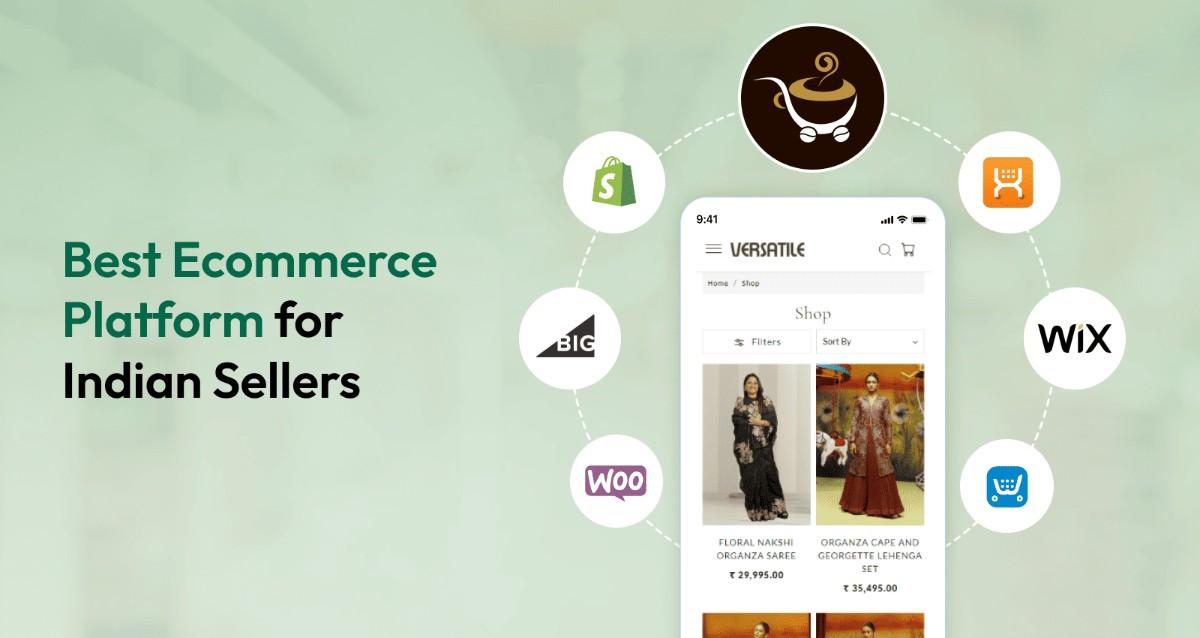
Among the options, three platforms repeatedly emerge in conversation: Shopaccino, Shopify, and WooCommerce. Each represents a different philosophy of building an online store. Shopify focuses on global templates and a large app ecosystem; WooCommerce offers flexibility for those who want control through WordPress; and Shopaccino stands out with its India-first design, natively structured to support MSMEs, regional taxation, logistics workflows, and real-world retail operations.
This comparison takes a deep, narrative look at how these platforms differ, where they excel, and why an increasing number of Indian sellers are leaning toward a more localized, integrated solution like Shopaccino. In the rapidly growing market for Ecommerce Software in India, choosing the right platform determines not only the success of your online store but also the efficiency of your business behind the scenes.
Running an Indian ecommerce business is very different from managing a store in the US or Europe. Sellers work in a fast-moving retail environment where margins are thin, logistics are unpredictable, and customer expectations rise every year. The platform a business chooses must therefore be more than a storefront—it must become a technological partner.
Indian businesses require a system that understands GST complexities, hyperlocal delivery options, COD management, dynamic pricing needs, marketplace integrations, promotional flexibility, and multilingual customer experiences. While global platforms can replicate these with plugins, that approach often becomes expensive, unstable, and operationally heavy.
This is where Shopaccino begins to differentiate itself—not through marketing, but through the way the platform is designed at the core. It mirrors how Indian sellers actually work, bridging the gap between offline and online operations with a native, all-in-one structure.
Shopaccino sits at the intersection of simplicity and power. Unlike platforms where essential features depend on third-party apps, Shopaccino builds the majority of business-critical tools directly into the ecosystem. Inventory, marketing automation, reward points, product bundling, order and return workflows, B2B features, and SMS/WhatsApp integrations are not optional add-ons—they come native.
This matters because Indian MSMEs don’t just need a website—they need an operational system that reduces manual work. Shopaccino’s dashboard resembles a retail command center more than a blogging backend. Everything from tax settings to catalogue setup to customer segmentation aligns with how sellers already function.
The platform also supports businesses that grow beyond basic ecommerce, including omnichannel models, multi-warehouse inventory, and wholesale pricing structures. In a market where operational complexity increases rapidly, Shopaccino becomes the most stable long-term foundation.
Shopify is one of the most recognized ecommerce platforms in the world. Its strength lies in its interface, design themes, and vast app marketplace. For creative entrepreneurs or D2C brands who want sleek stores and global aesthetics, Shopify works beautifully.
But for Indian sellers, the equation changes.
Core functionalities such as advanced discounts, product bundles, subscriptions, abandoned cart flows, marketplace sync, GST invoice customizations, COD verification, and reward systems depend heavily on apps—many of which charge monthly fees. As businesses scale, this layered app dependency increases operational risk and inflates cost.
Shopify also follows strict international rules for payment gateways, checkout flows, and backend architecture. Many Indian-specific needs must be customized externally, making the platform less intuitive for MSMEs who prefer a plug-and-play solution.
For sellers who want global design and have strong budgets, Shopify performs well. But for those who seek an integrated, India-first system, the contrast with Shopaccino becomes clear.
WooCommerce, the ecommerce extension of WordPress, gives complete freedom to build and customize. Sellers who want full control over their website, hosting, performance, and security often choose WooCommerce.
But that freedom comes at a cost.
Every major feature—from marketing automation and inventory syncing to security patches and payment flows—depends on plugins. Each plugin has its own compatibility rules, update cycles, and vulnerabilities. As a store grows from tens to hundreds of orders, this stack becomes difficult to maintain without in-house technical expertise.
WooCommerce works best for businesses that want custom coding or agencies that manage stores on behalf of clients. But for Indian MSMEs who want quick launch, stable performance, and consolidated support, the maintenance-heavy nature of WooCommerce becomes a barrier rather than a benefit.
Shopaccino offers a guided onboarding experience, allowing sellers to set up catalogues, taxation, logistics, and store design quickly. Shopify is also easy to set up but depends on apps for even basic ecommerce extensions. WooCommerce may take the longest because hosting, security, and plugins require configuration.
This is where Shopaccino clearly leads. It understands Indian delivery options, SMS gateways, GST invoices, COD workflows, and integrated marketing channels. Shopify requires paid apps for most features. WooCommerce requires plugins and manual configuration.
Shopaccino provides an inclusive pricing model with multiple features already built in. Shopify’s cost increases significantly with apps and transaction-related limitations. WooCommerce appears cost-friendly at first but becomes expensive due to hosting, developer fees, and premium plugins.
All three platforms can scale, but stability varies. Shopaccino manages scaling internally and provides dedicated support for MSMEs. Shopify handles scaling well but may require advanced apps for larger catalogs. WooCommerce demands optimized hosting and ongoing technical support.
Shopaccino offers personalized support tailored to Indian business needs. Shopify’s support is structured but less flexible for India-specific problems. WooCommerce relies largely on community support unless agencies are hired.
India’s ecommerce ecosystem requires more than design flexibility. It requires reliability—a platform that saves time, reduces manual work, simplifies inventory, and aligns with the operational intensity of Indian retail. Shopaccino brings this stability by consolidating ecommerce, order management, warehouse control, marketing automation, and customer loyalty into one ecosystem.
Where Shopify and WooCommerce rely on apps and plugins, Shopaccino reduces dependency. Where global systems require technical customization, Shopaccino offers native workflows. Where other platforms expect businesses to adapt to their structure, Shopaccino adapts to the seller’s existing processes.
For sellers choosing Ecommerce Software in India, the decision is no longer just about what looks good—it’s about what works consistently, cost-effectively, and seamlessly for the long term.

© 2025 Crivva - Hosted by Airy Hosting Managed Website Hosting.