

The ice cream market in India size was valued at INR 312.76 Billion in 2025 and is projected to reach INR 1,192.40 Billion by 2034, growing at a compound annual growth rate of 16.03% from 2026 to 2034. The ice cream market share in India is distributed across multiple dimensions including product type, flavor, format, end user, distribution channel, and state each reflecting the evolving preferences of a diverse and rapidly growing consumer base. According to IMARC Group, the market is experiencing robust growth fueled by growing disposable incomes, quick urbanization, and changing consumer tastes for high-end, handcrafted frozen treats, with the expansion of quick commerce platforms, improvements in cold chain infrastructure, and growing penetration of organized retail channels significantly contributing to market accessibility.
The single largest contributor to the ice cream market share in India by product type is the impulse segment. Impulse ice cream dominates the market with 59.62% in 2025, driven by the convenience of home consumption, larger packaging options offering better value, and compatibility with home refrigerator storage enabling consumers to enjoy ice cream at their convenience. This category encompassing ice cream bars, cones, cups, sandwiches, and novelty items thrives on strategic product placement, seasonal promotional campaigns, and partnerships with entertainment venues and quick-service restaurants. Take-home ice cream and artisanal ice cream collectively account for the remaining share, with artisanal formats gaining traction among urban millennials willing to pay premium prices for handcrafted, exotic-flavored offerings.
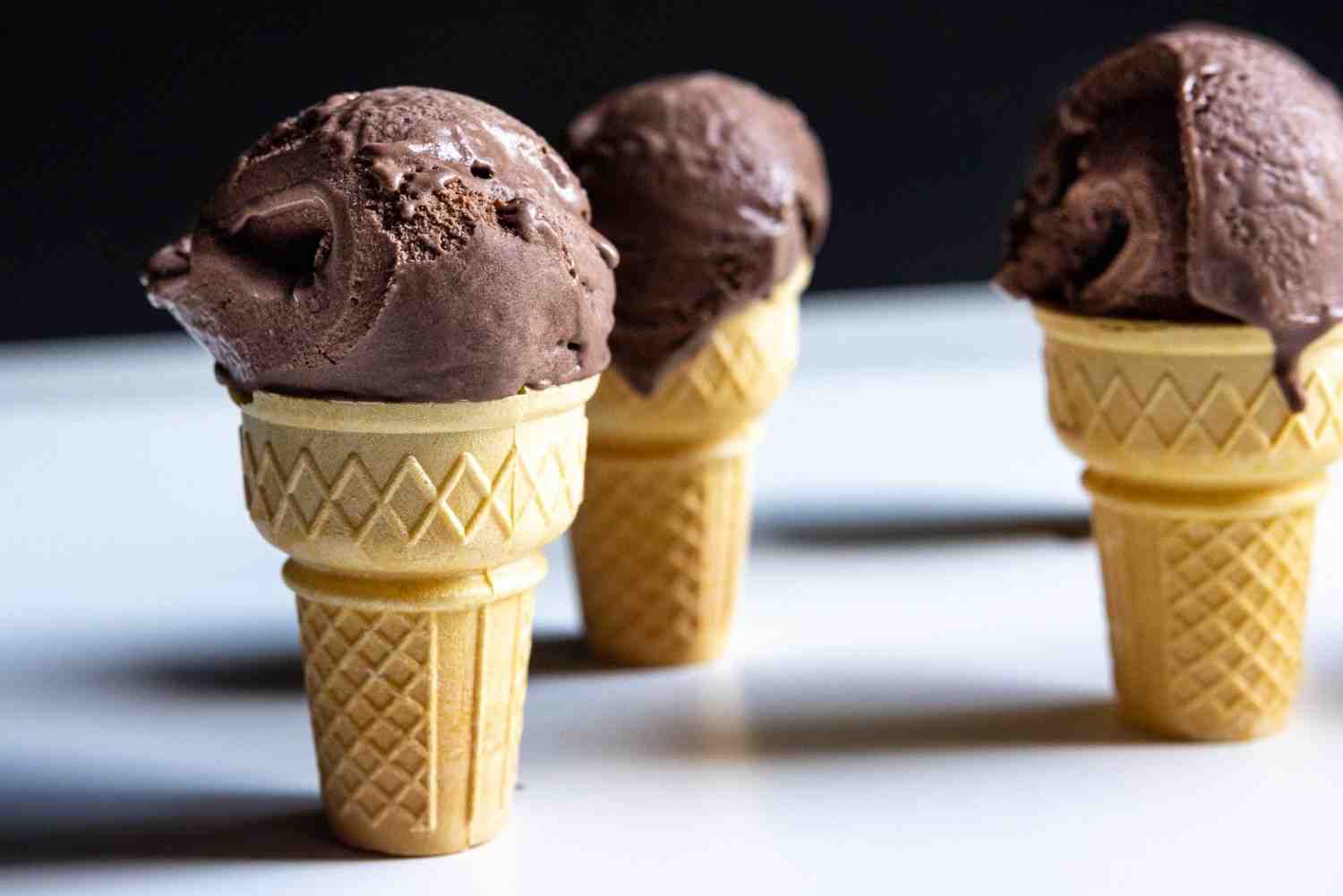
Chocolate flavor leads the market with 31.05% in 2025, owing to its universal appeal across all age groups, versatility as a base for toppings and mix-ins, and its traditional preference among Indian consumers seeking familiar taste profiles. Manufacturers are innovating within this segment through the use of dark chocolate, Belgian chocolate, and single-origin cocoa variants, while sugar-reduced and plant-based chocolate formulations are expanding the addressable consumer base. Fruit-flavored, vanilla, and other regional and exotic flavor varieties including kesar pista, mango, gulkand, and salted caramel collectively make up the balance of flavor-based share, reflecting the growing appetite for both familiar and experimental ice cream experiences across Indian consumer demographics.
Cup format represents the largest segment with 25.86% in 2025, attributed to its affordability, single-serve convenience, widespread availability at neighborhood retail outlets, and suitability for impulse purchases across all demographic segments. The format’s portability and ease of consumption without requiring utensils make it particularly suited to on-the-go consumption in a diverse market like India. Premium cup variants featuring chocolate chips, fruit pieces, and nut toppings are gaining ground in urban markets, while entry-level cup products continue to drive high-volume sales across semi-urban and rural areas. Stick, cone, brick, and other formats account for the remaining split, each serving distinct consumption occasions and price-point preferences.
The retail segment holds the largest share with 83% in 2025, supported by the extensive network of convenience stores, supermarkets, and general trade outlets that ensure product accessibility to mass consumers. E-commerce and quick commerce platforms are emerging as increasingly critical retail sub-channels enabling consumers to conveniently order ice cream for home delivery with guaranteed temperature maintenance throughout the cold supply chain. The strategic integration of ice cream brands with popular food delivery applications has substantially expanded market reach and created new consumption occasions beyond traditional retail purchase points. The institutional segment which includes restaurants, cafes, hotels, and catering services accounts for the remaining end-user share and contributes steadily to overall demand through foodservice and bulk procurement channels.
General trade dominates the market with 39% share in 2025, taking advantage of extended business hours, efficient checkout procedures that accommodate impulsive purchases, and ideal placement in residential and commercial regions. Traditional retail formats including kirana stores, pan shops, and neighborhood grocery outlets form an extensive nationwide network with deep community relationships and flexible operating models that accommodate seasonal demand fluctuations. Manufacturers have strengthened this channel by installing dedicated freezer units at retail endpoints, ensuring cold chain integrity and consistent product quality across geographies. Supermarkets, hypermarkets, ice cream parlors, convenience stores, and online platforms account for the remaining distribution share, with online channels accelerating rapidly as digital adoption expands.
Maharashtra exhibits a clear dominance in the market with 12% in 2025, led by metropolitan cities including Mumbai and Pune where higher purchasing power and cosmopolitan consumer preferences drive demand for premium ice cream products. The state benefits from a tropical climate that supports year-round ice cream consumption, well-developed cold chain infrastructure, and a vibrant food service industry generating strong institutional demand. Karnataka, Tamil Nadu, Delhi, Gujarat, Andhra Pradesh and Telangana, Uttar Pradesh, West Bengal, and other states collectively account for the remaining regional share, each with distinct demand characteristics shaped by climate, urbanization pace, and consumer income levels.
Access detailed ice cream market share in India data by product type, flavor, format, distribution channel, and region to support procurement planning and investment decisions – Request a Business Sample Report for Procurement & Investment Evaluation
Three trends are actively reshaping how the ice cream market share in India is competed for and distributed. First, Indian consumers are increasingly gravitating toward healthier ice cream alternatives including low-calorie, sugar-free, vegan, and protein-enriched variants, with health-focused startups capitalizing on this shift by offering innovative formulations that balance indulgence with nutritional benefits. In October 2024, Iceberg Ice Cream launched its premium brand ‘Organic Creamery’ specifically to address this demand, with an investment of approximately INR 11 Crore. Second, the rapid emergence of quick commerce platforms has fundamentally transformed ice cream consumption patterns, enabling year-round accessibility and instant gratification for consumers while maintaining product freshness and temperature integrity throughout the last mile. Third, consumer preferences are shifting toward premium, handcrafted ice creams featuring unique flavors and superior-quality natural ingredients, with artisanal brands utilizing minimal ingredients gaining significant traction among quality-conscious consumers.
The market’s exceptional 16.03% CAGR is anchored in three structural drivers. Increasing disposable incomes across Indian demographics are empowering consumers to invest in premium indulgences, with the expanding middle class increasingly willing to experiment with gourmet, artisanal, and internationally inspired ice cream variants. Cold chain infrastructure is a second key driver under the Integrated Cold Chain and Value Addition Infrastructure scheme, 395 integrated cold chain projects have been approved with 291 already operational, significantly enhancing storage and distribution capabilities for frozen products nationwide. Third, Indian consumers are demonstrating experimental attitudes toward new flavors, formats, and health-conscious ice cream formulations, with the transformation of ice cream from a seasonal summer treat to a year-round indulgence expanding consumption occasions and frequency.
On the challenge side, the high capital investment needed for cold chain facilities, refrigerated transportation, and retail freezer units creates barriers for market expansion, particularly in remote and rural areas where infrastructure remains underdeveloped. Seasonality-driven demand fluctuations and the intense competition from regional brands, artisanal players, and health-focused startups intensifying competitive pressure alongside established national and multinational corporations continue to test profit margins across the industry.
The ice cream market in India exhibits a competitive landscape characterized by the presence of established dairy cooperatives, multinational corporations, regional manufacturers, and emerging health-focused startups, with major players focusing on distribution network expansion, product innovation, and strategic partnerships with quick commerce platforms. Key players include GCMMF (Amul), Kwality Walls, Vadilal Group, Mother Dairy, Hatsun, and CreamBell. These companies are investing in manufacturing capacity expansion, cold chain infrastructure, and digital marketing strategies to capture the growing consumer base and defend their portions of the ice cream market share in India. In August 2024, Lotte Wellfood announced the merger of its Indian subsidiaries Lotte India and Havmor Ice Cream into an integrated entity named One India, targeting approximately INR 6,000 crore in annual sales a development that underlines the scale of consolidation reshaping competitive dynamics in the category.
1. What is the current size of the ice cream market in India?
According to IMARC Group, the ice cream market in India was valued at INR 312.76 Billion in 2025 and is projected to reach INR 1,192.40 Billion by 2034, growing at a CAGR of 16.03%.
2. Which product type holds the largest ice cream market share in India?
Impulse ice cream dominates with a 59.62% share in 2025, driven by single-serve convenience, wide retail availability, compatibility with impulse purchase behavior, and expanding quick commerce delivery networks.
3. Which flavor leads the ice cream market share in India?
Chocolate leads with a 31.05% share in 2025, owing to its universal consumer appeal, versatility as a flavor base, and strong traditional preference across age groups and regional demographics.
4. Which distribution channel holds the largest ice cream market share in India?
General trade leads with a 39% share in 2025, supported by the extensive nationwide network of kirana stores, pan shops, and neighborhood grocery outlets that ensure consistent product accessibility with dedicated freezer infrastructure.
5. Which state holds the largest regional ice cream market share in India?
Maharashtra leads with a 12% share in 2025, driven by the high purchasing power and cosmopolitan consumer preferences in Mumbai and Pune, favorable tropical climate, and well-developed cold chain and food service infrastructure.

© 2025 Crivva - Hosted by Airy Hosting Managed Website Hosting.