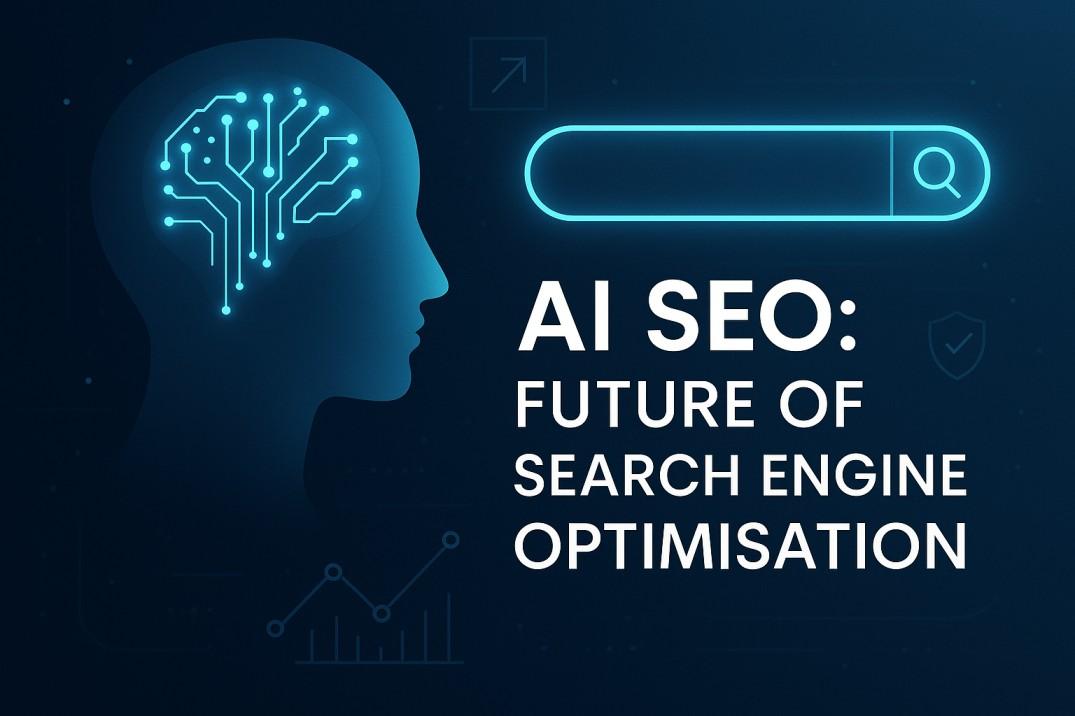
Answer Engine Optimization (AEO) is the process of optimizing website content to help AI-powered search engines and virtual assistants understand, trust, and cite your information when answering user queries. Unlike traditional SEO, which focuses on ranking web pages in search engine results, AEO aims to make your content the preferred source for AI-generated answers.
With the rapid growth of AI platforms such as ChatGPT, Google AI Overviews, Gemini, Claude, and Perplexity, users are increasingly receiving direct answers instead of browsing multiple websites. As a result, businesses need to adapt their digital marketing strategies to ensure their content is visible and referenced by these AI systems.
AEO helps brands improve their chances of appearing in AI-generated responses, voice search results, featured snippets, and knowledge panels. Companies that invest in Answer Engine Optimization today are positioning themselves for the future of search.
The search landscape has changed dramatically over the past few years. Traditional search engines still play a major role, but AI-powered answer engines are becoming a primary source of information for users worldwide.
When someone asks an AI assistant a question, the system gathers information from trusted sources and generates a concise answer. If your content is selected as one of those sources, your brand gains valuable visibility, authority, and credibility.
Some key benefits of AEO include:
As AI search continues to evolve, businesses that optimize for answer engines will have a stronger digital presence than those relying solely on traditional SEO techniques.
Although AEO and SEO share many similarities, they have different goals.
Rather than replacing SEO, AEO works alongside it. A strong SEO foundation helps search engines discover and index your content, while AEO improves the likelihood that AI platforms will reference it in generated responses.
AI answer engines use advanced language models and ranking systems to determine which content should be included in their responses. Several factors influence this decision.
AI systems prioritize content that is accurate, informative, and valuable to users. Low-quality or outdated information is less likely to be referenced.
Websites that consistently publish trustworthy content on a specific topic often gain greater recognition from AI systems.
Well-organized content with clear headings, bullet points, and concise explanations is easier for AI models to understand.
Updated content tends to perform better because AI platforms prefer current and relevant information.
Content that directly addresses common user questions has a higher chance of being selected.
Most AI searches are conversational. Users ask complete questions rather than typing short keywords.
Examples include:
Using question-based headings helps AI systems identify and extract relevant answers.
Start each section with a concise answer before expanding into more detailed explanations.
For example:
What is AEO?
Answer Engine Optimization is the process of optimizing content to improve its visibility and citation potential within AI-generated search results.
This format makes it easier for AI systems to identify key information.
Publishing multiple articles around related topics helps establish expertise.
For example, businesses focusing on AI SEO could create content covering:
The more comprehensive your content ecosystem, the stronger your authority signals become.
Schema markup helps search engines and AI systems understand the context of your content.
Important schema types include:
Structured data improves content discoverability and increases the likelihood of being featured in search results.
Featured snippets often serve as source material for AI-generated answers.
To improve snippet opportunities:
Google and AI systems value Experience, Expertise, Authoritativeness, and Trustworthiness.
Ways to strengthen E-E-A-T include:
AI platforms prefer current information. Regularly updating articles ensures accuracy and improves citation opportunities.
Review important content every few months to add new insights, statistics, and industry developments.
Many businesses struggle with AI visibility because they make avoidable mistakes.
Overusing keywords reduces readability and may negatively impact user experience.
Short articles with limited information provide little value and are unlikely to be cited.
Content should answer real questions users are asking.
Large blocks of text without headings make it difficult for AI systems to extract information.
Old content may lose relevance and authority over time.
Answer Engine Optimization is expected to become a core component of digital marketing strategies. As AI assistants continue to grow in popularity, businesses will need to optimize not only for traditional search engines but also for AI-driven discovery platforms.
Brands that focus on creating helpful, authoritative, and well-structured content will have the greatest opportunity to earn AI citations and increase online visibility.
The future of search is moving toward direct answers rather than lists of links. Businesses that adapt early will be better positioned to attract traffic, build authority, and generate leads in the AI-first search era.
Answer Engine Optimization is transforming how businesses approach online visibility. By creating high-quality content, answering user questions directly, implementing structured data, and building topical authority, organizations can improve their chances of being cited by AI-powered search engines.
As AI continues to reshape the search landscape, AEO will become just as important as traditional SEO. Companies that embrace this shift now will gain a significant competitive advantage and establish themselves as trusted sources in the next generation of search.
© 2025 Crivva - Hosted by Airy Hosting Managed Website Hosting.