Introduction
Many homeowners are surprised when they discover small flying insects inside their homes. At first these insects may seem harmless but they can cause serious damage to clothing fabrics and stored food. Moths are one of the most common household pests and they often go unnoticed until damage begins to appear.
Unlike many other insects moths are not always attracted to dirt or poor hygiene. Even clean homes can experience moth infestations because these insects are drawn to natural fibers and stored food products. Closets kitchens and storage spaces often provide ideal environments where moths can live and reproduce.
Understanding how moths enter homes and how they survive indoors is the first step in preventing infestations. Proper Moth Control helps protect clothing carpets and pantry foods from damage while keeping your home comfortable and pest free.
What Are Household Moths
Moths are small winged insects that are closely related to butterflies. Many species of moths live outdoors but some types have adapted to indoor environments where they can find food and shelter.
Two common types of household moths are clothing moths and pantry moths. Clothing moths are attracted to natural fabrics such as wool silk fur and cotton. They lay eggs in clothing carpets and upholstery where the larvae feed on the fibers.
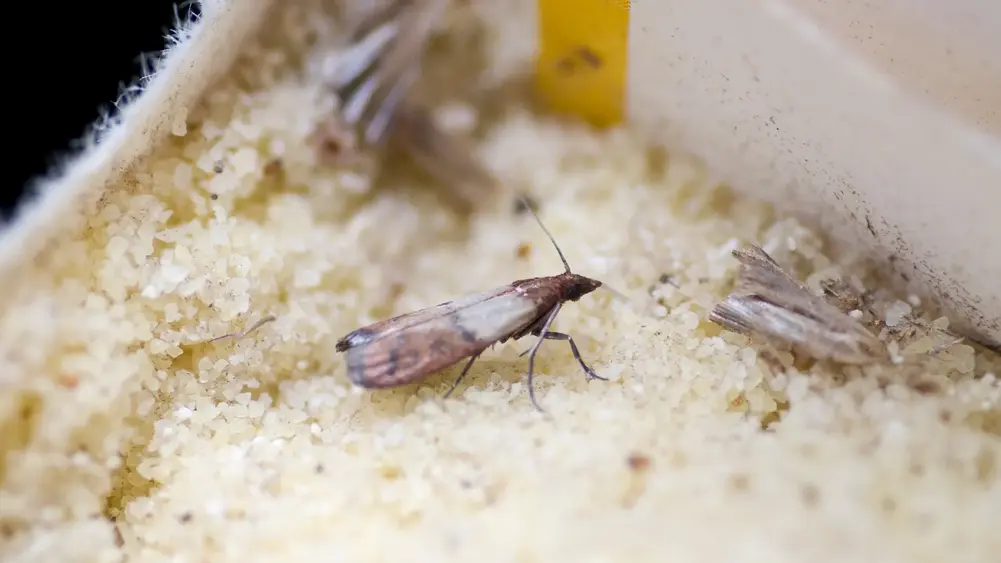
Pantry moths on the other hand are attracted to stored food products. These may include flour grains rice nuts dried fruits and pet food. The larvae feed on these items which can contaminate food supplies.
Because moth larvae are the stage that causes damage many homeowners do not notice a problem until holes appear in clothing or insects are seen flying around storage areas. Effective Moth Control focuses on stopping both adult moths and their larvae before they cause serious damage.
Signs of a Moth Infestation
Detecting moths early can help homeowners prevent expensive damage to clothing and stored food. One of the most obvious signs is seeing small moths flying slowly around closets kitchens or storage rooms.
Another sign is damage to clothing or fabrics. Small irregular holes in sweaters blankets carpets or upholstery may indicate that moth larvae have been feeding on the material.
Silk like webbing may also appear on clothing shelves or in food containers. Pantry moth larvae often create thin threads as they move through food products.
Homeowners may also notice small larvae crawling inside food packages or near pantry shelves. These larvae are usually cream colored and very small.
Recognizing these warning signs allows homeowners to begin proper Moth Control before the infestation spreads to other parts of the home.
Why Moths Can Be a Problem
Although moths may appear harmless they can cause significant damage to personal belongings and stored foods. Clothing moth larvae feed on natural fibers which can ruin expensive garments carpets and upholstery.
Pantry moths can contaminate food products by leaving behind webbing droppings and larvae. Once food becomes contaminated it usually needs to be thrown away.
Moth infestations can also spread quickly. Adult moths lay many eggs and these eggs hatch into larvae that continue feeding and growing inside hidden areas.
Closets attics basements and kitchen cabinets provide dark quiet spaces where moths can reproduce without being noticed. Without proper Moth Control the infestation may continue for months before homeowners realize the extent of the damage.
How Moths Enter Homes
Moths often enter homes in very simple ways. One of the most common sources is infested food packages purchased from stores. Pantry moth eggs or larvae may already be present in flour grains or dried foods.
Used clothing furniture or rugs may also carry moth eggs or larvae. When these items are brought into the home moths may begin reproducing in closets or storage areas.
Open windows and doors may also allow moths to fly indoors especially during warmer months when they are more active.
Poorly sealed food containers and cluttered closets provide perfect environments where moths can hide and reproduce.
Understanding these entry points helps homeowners strengthen their Moth Control strategies and prevent new infestations.
Prevention Tips for Homeowners
Preventing moth infestations requires keeping storage spaces clean organized and well sealed. One of the most effective steps is storing clothing and fabrics in sealed containers or garment bags.
Clothing should be cleaned before long term storage because moth larvae are attracted to natural fibers that contain sweat oils or food stains.
Pantry foods should always be stored in airtight containers made of glass plastic or metal. This prevents moths from accessing food supplies.
Regular cleaning of closets shelves and pantry areas is also important. Vacuuming removes eggs larvae and food particles that may attract pests.
Homeowners should also inspect newly purchased food products and secondhand items before bringing them into the home.
Following these habits can greatly improve Moth Control and reduce the risk of infestation.
DIY Methods That May Help
Some homeowners try simple home remedies when they first notice moth activity. Cleaning and organizing storage areas is one of the most effective steps for reducing moth populations.
Vacuuming carpets closets and shelves can remove larvae eggs and food particles that support infestations. The vacuum bag should be disposed of outside immediately after cleaning.
Natural repellents such as cedar wood or lavender are sometimes placed in closets to discourage moth activity. While these methods may help reduce moth presence they may not eliminate an established infestation.
Freezing infested clothing or heating items in a dryer may also kill moth larvae and eggs.
Although these approaches can help with minor problems larger infestations often require professional Moth Control services to fully eliminate the pests.
When to Call Professional Pest Control
When moth infestations continue despite cleaning and preventive measures professional help may be necessary. Pest control specialists can identify the exact species of moth and determine where the infestation is located.
Experts inspect closets storage areas and kitchen cabinets to locate hidden breeding sites. They may also use targeted treatments that eliminate larvae eggs and adult moths.
Professional services often include recommendations for improving storage practices and sealing entry points to prevent future infestations.
If moths continue appearing in closets or pantries despite repeated cleaning professional Moth Control can provide a reliable and long lasting solution.
Conclusion
Moths are small insects but they can cause major problems for homeowners when they infest closets and pantries. Their larvae feed on natural fabrics and stored foods which can lead to costly damage and contaminated supplies.
Recognizing the early signs of infestation such as flying moths fabric damage or webbing in food products allows homeowners to respond quickly. Regular cleaning proper food storage and careful inspection of items entering the home are key prevention steps.
When infestations become difficult to manage professional assistance may be necessary. Experienced pest management services such as My Pest Exterminator Ottawa provide effective treatments that remove moth infestations and help homeowners protect their clothing food and storage spaces.
Frequently Asked Questions
What causes moths in the house
Moths usually enter homes through infested food packages secondhand clothing or open windows and doors.
Do moths damage clothes
Yes clothing moth larvae feed on natural fibers such as wool silk and cotton which can create holes in garments.
Can moths infest stored food
Yes pantry moths often infest flour grains nuts and other dry food products stored in kitchen cabinets.
How can I prevent moth infestations
Keeping storage areas clean sealing food containers and storing clothing in airtight bags can help prevent moth problems.
When should I contact pest control professionals
If moth activity continues despite cleaning and prevention efforts professional Moth Control services may be needed to eliminate the infestation completely.