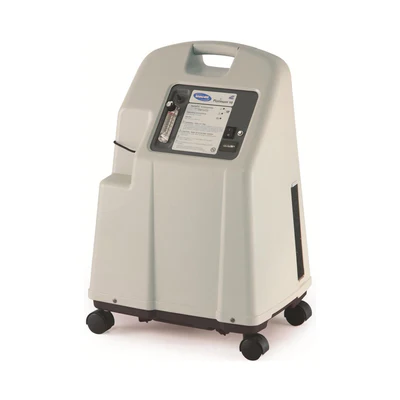
In 2026, more families than ever are exploring home oxygen therapy options. Whether it’s for COPD, post-COVID recovery, asthma complications, cardiac conditions, or elderly care, the big question remains:
Is a concentrator machine oxygen system actually better than traditional oxygen cylinders?
After spending time researching, comparing, and speaking with users and suppliers, I’ve put together this detailed review-style breakdown to help you decide what makes sense for your situation. If you’re considering an O2 concentrator machine, an oxygen converter machine, or still relying on cylinders, this honest comparison should clear things up.
Understanding the Basics First
Before comparing the two, let’s quickly clarify what each system does.
Oxygen Cylinders
Oxygen cylinders are pre-filled tanks containing compressed medical oxygen. Once the oxygen inside is used, the cylinder must be refilled or replaced. They have been the traditional option for decades.
Concentrator Machine Oxygen System
A concentrator machine oxygen system works differently. Instead of storing oxygen, it pulls in room air, filters nitrogen out, and delivers concentrated oxygen to the patient. It runs on electricity and produces oxygen continuously as long as power is available.
An O2 concentrator machine is essentially an oxygen generator for home use.
Design and Build Quality: Modern Machines Have Come a Long Way
One thing that stood out to me while reviewing modern systems is how refined today’s machines have become.
A quality oxygen converter machine in 2026 is:
-
Compact
-
Slim and lightweight
-
Designed with smooth rolling wheels
-
Equipped with sturdy handles for easier movement
-
Built for long-term durability
Most stationary home units weigh between 14 and 20 kg, depending on flow capacity. Many now include recessed side handles and top grab handles for easy relocation within the house. The newer designs glide easily across tile, marble, or wooden floors.
Compared to bulky oxygen cylinders that require manual handling and regulator adjustments, the concentrator machine oxygen system feels more practical for daily use.
Oxygen Output and Flow Control
This is where things get technical.
A standard O2 concentrator machine designed for home use typically delivers:
-
Flow rates from 0.5 LPM up to 5 LPM (some high-flow models go up to 10 LPM)
-
Adjustable flow in 0.5 LPM increments
-
Oxygen purity levels between 87% to 93%
That purity range is considered medically safe and effective for most patients prescribed oxygen therapy.
In contrast, oxygen cylinders provide very high-purity oxygen (often 99%+). However, once the oxygen inside the tank runs out, you’re done until a refill arrives.
With a concentrator machine oxygen system, oxygen production is continuous. There’s no countdown pressure gauge creating anxiety.
For long-term users, this is a huge advantage.
Reliability: Which One Is More Practical in 2026?
Let’s be honest. The pandemic years changed how we think about medical equipment at home.
During peak demand, oxygen cylinder shortages were a real issue in many areas. Logistics, refilling delays, and transportation became stressful.
In 2026, reliability matters more than ever.
An oxygen converter machine operates as long as:
-
There is electricity
-
The internal filters are maintained
-
The device is serviced periodically
Many of today’s machines are engineered with durable rotary valves and internal components designed for millions of operational cycles. Some even come with long-term warranties on key parts.
With cylinders, your dependency shifts to supply chains.
So if you live in an area where refills are inconsistent, the best oxygen concentrator option may provide greater peace of mind.
Maintenance: Easier Than Most People Think
One common myth is that a concentrator machine oxygen system is high maintenance.
In reality, maintenance usually involves:
-
Cleaning or replacing external filters
-
Periodic servicing as recommended by the manufacturer
-
Ensuring proper ventilation around the machine
That’s it.
Cylinders, on the other hand, require:
-
Timely refills
-
Safe storage
-
Regulator checks
-
Leak inspections
In day-to-day life, an o2 concentrator machine actually feels more manageable.
Cost Comparison: Long-Term vs Short-Term Thinking
Initial cost is where many people hesitate.
To purchase oxygen concentrator equipment, you may spend more upfront compared to buying or renting a cylinder.
However, consider the recurring expenses of cylinders:
-
Refill charges
-
Transportation costs
-
Delivery fees
-
Rental costs
Over months or years of use, those recurring expenses add up significantly.
For long-term oxygen therapy patients, the best oxygen concentrator option is often more economical over time.
If oxygen is needed only temporarily, cylinders might still make sense.
But for chronic conditions, a concentrator machine oxygen system usually wins financially.
Portability and Convenience
Modern oxygen converter machine designs include:
-
Compact bodies
-
Easy mobility wheels
-
Noise reduction technology
-
Digital displays
-
Alarm systems for low purity or power failure
While stationary models are designed for home use, portable variants are also widely available in 2026.
Cylinders, in contrast:
-
Are heavy
-
Need careful handling
-
Cannot be refilled at home
-
Require backup cylinders
From a lifestyle perspective, the O2 concentrator machine feels less restrictive.
Safety Considerations
Safety is critical when dealing with oxygen equipment.
Oxygen cylinders store highly pressurised gas. Improper handling can pose risks. They must be secured properly to prevent tipping.
A concentrator machine oxygen system does not store compressed oxygen. It produces oxygen on demand. That reduces storage risks significantly.
However, both systems require:
-
No smoking nearby
-
Proper ventilation
-
Professional prescription guidance
Safety ultimately depends on responsible usage, but concentrators eliminate the pressure tank factor.
Noise Levels: A 2026 Perspective
Older models were often noisy. That is no longer the case.
Most of the best oxygen concentrator models today operate quietly, comparable to a low hum or background fan.
Noise levels typically range between 40 and 50 decibels.
Cylinders are silent, of course, but regulators can sometimes produce minor hissing sounds.
For bedroom use, newer oxygen converter machine models are surprisingly comfortable.
When Cylinders Still Make Sense
To keep this review balanced, cylinders are not obsolete.
They are useful when:
-
Power supply is unreliable
-
Oxygen is required only occasionally
-
Backup oxygen is needed for emergencies
-
High-flow oxygen is required temporarily
In fact, many doctors recommend keeping a small cylinder as backup even if you use a concentrator machine oxygen system daily.
It’s not always about replacing one entirely. Sometimes it’s about combining both intelligently.
Who Should Consider Purchasing a Concentrator in 2026?
You may want to purchase an oxygen concentrator if:
-
Oxygen therapy is prescribed long-term
-
Refilling cylinders frequently is inconvenient
-
You want more independence
-
You prefer a continuous oxygen supply without monitoring tank levels
-
You are caring for elderly family members at home
The best oxygen concentrator for you will depend on:
-
Required flow rate
-
Usage hours per day
-
Portability needs
-
Budget
-
After-sales support availability
Why Provider Choice Matters
No matter how advanced an O2 concentrator machine is, the provider plays a major role.
Warranty support, service availability, spare parts, and technical assistance can make or break your experience.
In 2026, reputable suppliers like OxygenPlus Medical have become trusted options for those looking to purchase oxygen concentrator systems. Having access to guidance on model selection, installation support, and service assistance ensures that you’re not left figuring things out alone.
When selecting a provider, consider:
-
Service network coverage
-
Response time for repairs
-
Availability of replacement filters and parts
-
Transparent pricing
A good supplier adds real value beyond the machine itself.
My Final Verdict: Is a Concentrator Machine Oxygen System Better?
After reviewing all factors, here’s my honest conclusion.
For long-term home oxygen therapy, a concentrator machine oxygen system is generally better than cylinders.
It offers:
-
Continuous oxygen production
-
Lower long-term cost
-
Greater convenience
-
Reduced storage risks
-
Less logistical stress
-
Modern design and ease of use
However, cylinders still have a place as backup or short-term solutions.
If I had to choose in 2026 for consistent home use, I would choose a reliable o2 concentrator machine as my primary source and keep a small cylinder as emergency backup.
That balanced approach provides both independence and security.
Final Thoughts for 2026 Buyers
Medical equipment decisions should always be made with a doctor’s prescription and guidance. Oxygen therapy requirements vary from patient to patient.
But from a practical standpoint, technology has made the oxygen converter machine a dependable and user-friendly option for home care.
If you are planning to purchase oxygen concentrator equipment this year, take time to:
-
Understand your prescribed flow rate
-
Compare warranty terms
-
Evaluate service support
-
Choose a trusted provider like OxygenPlus Medical
The goal is not just to buy equipment, but to improve quality of life safely and sustainably.
In 2026, that’s exactly what a well-chosen concentrator machine oxygen system is designed to do.