

“We don’t need the biggest asphalt plant. We need one that delivers consistent quality, stays within budget, and keeps projects on schedule.” This is a common mindset among municipal contractors in Argentina. Whether the project involves urban road maintenance, suburban expansion, or small highway connections, choosing the right asphalt plant capacity is a critical decision.
So, is a 120 TPH best asphalt mixing plant enough for municipal road contracts in Argentina? The answer depends on several practical factors. In this article, we break down real project scenarios, production needs, and cost considerations to help you make a smart decision.
Before selecting equipment, you need to understand the real demand of municipal projects. In Argentina, most city-level contracts focus on maintenance, rehabilitation, and small-scale road construction.
These projects usually include asphalt overlay, pothole repair, and local road upgrades. Daily paving volumes often range between 300 to 800 tons. Project timelines may last from a few weeks to several months.
As a result, contractors do not always need very high-capacity plants. Instead, they need stable production and flexible operation. This is where a 120 TPH asphalt plant starts to make sense.
Now that we understand the project scale, let’s look at what a 120 TPH asphalt plant can actually deliver on site.
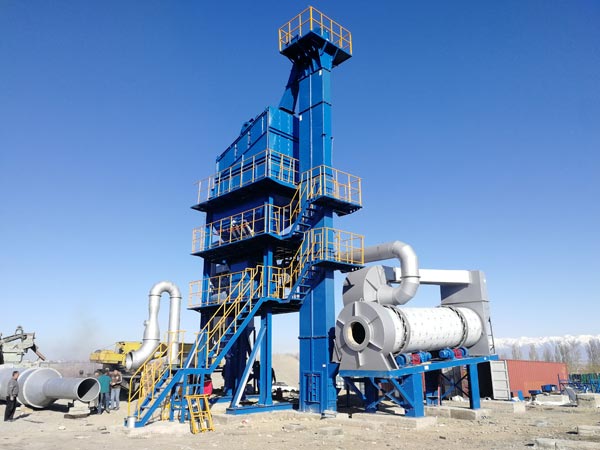
A 120 TPH asphalt plant can produce up to 120 tons of hot mix asphalt per hour under ideal conditions. However, real-world output often depends on material moisture, operator skill, and working hours.
In practice, contractors in Argentina often achieve 90 to 110 TPH during stable production. If the plant runs 8 hours per day, daily output can reach 700 to 900 tons.
This matches well with most municipal road demands. In addition, the plant offers several operational advantages:
The plant provides enough output without over-investment. You avoid paying for unused capacity.
Operators can adjust production based on project needs. This helps reduce fuel consumption and material waste.
Compared to 160 TPH or 200 TPH plants, a 120 TPH hot asphalt mixing plant requires less capital. This is important for contractors managing tight budgets.
However, capacity alone does not tell the full story. Next, we need to compare this plant with actual municipal project requirements.
Choosing the right asphalt plant is not about maximum output. It is about matching production with demand.
Let’s take a typical example. A city road rehabilitation project requires 10,000 tons of asphalt mix over 20 working days. That means 500 tons per day.
A 120 TPH plant can easily handle this workload within 5 to 6 hours of operation per day. This leaves extra time for maintenance or unexpected delays.
On the other hand, if you choose a larger plant, such as 200 TPH, you may finish production faster. However, you will also face higher fuel consumption and operating costs.
Therefore, for most municipal contracts in Argentina, a 120 TPH plant provides the right balance between efficiency and cost.
But what about project variations? Let’s explore scenarios where this capacity works best.
Not every project requires the same setup. A 120 TPH asphalt plant is ideal in several common situations.
City roads often require phased construction. Traffic control limits daily paving volume. A medium-capacity plant fits this workflow perfectly.
Many contractors handle several small projects at the same time. A 120 TPH plant offers flexibility to serve different sites without overproduction.
Local governments often have strict budgets. Contractors must control costs while maintaining quality. A mid-sized plant reduces financial pressure.
While these advantages are clear, there are also cases where a 120 TPH plant may not be enough. Let’s examine those situations.
Although a 120 TPH plant suits many projects, some scenarios require higher capacity.
If your project requires more than 1,500 tons per day, a 120 TPH plant may struggle to keep up. In this case, a 160 TPH or 200 TPH asphalt batch plant for sale is more suitable.
When deadlines are very short, higher capacity helps complete work faster. This reduces the risk of penalties.
If you supply asphalt mix to multiple contractors or projects simultaneously, higher output becomes necessary.
Therefore, understanding your project pipeline is key. Next, let’s look at operational factors that affect real performance.
Even the best asphalt plant cannot reach its full capacity without proper conditions. Several factors affect real production.
In some regions of Argentina, aggregate moisture can increase fuel consumption and reduce output. Proper drying systems are essential.
Skilled operators ensure stable production and consistent mix quality. Poor operation can reduce efficiency.
Continuous supply of aggregates and bitumen is critical. Any delay will reduce plant utilization.
Regular maintenance prevents unexpected downtime. This keeps production stable.
These factors show that choosing the right plant is only the first step. Proper operation ensures long-term success.
From a financial perspective, a 120 TPH asphalt plant offers strong value for municipal contractors.
First, the initial investment is lower than high-capacity plants. This reduces financial risk.
Second, operating costs remain manageable. Fuel consumption, labor, and maintenance are all optimized.
Third, the plant can handle a wide range of projects. This improves equipment utilization and return on investment.
As a result, many contractors achieve faster payback periods with this capacity.
Now that we have covered performance and cost, let’s bring everything together.
In most cases, yes. A 120 TPH asphalt plant is enough for municipal road contracts in Argentina. It provides the right balance between capacity, flexibility, and cost.
However, the final decision depends on your project scale, timeline, and business strategy. If your focus is on urban roads and medium-sized contracts, this plant is a reliable choice.
On the other hand, if you plan to handle large highway projects, you may need higher capacity.
Every project is different. That’s why choosing the right asphalt plant requires careful planning and expert advice.
If you are working on municipal road projects in Argentina, we can help you evaluate your needs and recommend the best solution. From plant selection to installation and operation support, our team provides practical and reliable guidance.
Contact us today to discuss your project. Let’s find the right asphalt plant to improve your efficiency, reduce costs, and win more contracts.

© 2025 Crivva - Hosted by Airy Hosting Managed Website Hosting.