

Lead exposure remains a major concern for families, landlords, and property managers in New York City, especially in pre-1960 buildings. Hidden lead paint and dust can result in severe health issues, particularly for children and pregnant women. Fortunately, modern technology allows for rapid, non-invasive detection through XRF testing NYC, giving homeowners and tenants peace of mind while preventing costly health complications. Early identification of lead hazards can save families thousands in medical expenses and legal fees, making proactive testing a crucial step for every property owner or renter.
At CleanNYC Lead and Mold Solutions, located at 841 Knickerbocker Ave, Brooklyn, NY 11207 | 212-381-6001, we specialize in identifying lead hazards efficiently using certified methods. In this blog, we will explain how XRF testing NYC works, why it is crucial for health safety, and how it protects families and tenants from exposure.
Many New York City buildings constructed before 1960 still contain lead-based paint. Even small amounts of lead can cause:
Developmental delays and learning difficulties in children
Behavioral issues such as hyperactivity and irritability
Nervous system damage
Lowered IQ
General health problems including fatigue, headaches, and digestive issues
Lead exposure often occurs through peeling paint, lead dust on floors or window sills, and contaminated surfaces. Because children and pregnant women are most vulnerable, proactive XRF lead testing NYC has become a standard precaution. Regular inspections also help landlords comply with NYC regulations, avoid fines, and ensure safe living environments for tenants.
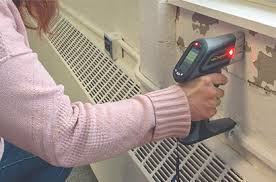
XRF (X-ray fluorescence) testing is a non-destructive method for detecting lead in painted surfaces and other materials. It involves using a handheld device to scan walls, doors, window frames, and other surfaces for lead content. Unlike traditional testing that requires paint chip removal, handheld XRF inspection NYC provides instant readings without damaging the property.
Key features of XRF testing NYC include:
Fast and accurate detection of lead concentrations
Non-destructive testing that preserves walls and finishes
Safe for families, pets, and tenants during inspection
Documentation-ready results for compliance and reporting
During an XRF lead paint analysis NYC, inspectors follow a systematic approach:
The inspector examines the property for:
Peeling or chipping paint
High-friction areas like window sills, doors, and stair rails
Signs of renovations that may have disturbed old lead layers
This step identifies areas that require targeted XRF scanning.
Using a portable XRF analyzer, the inspector scans surfaces. The device emits a small, controlled beam of X-rays that interact with the paint, instantly detecting lead particles without damage.
In addition to scanning, inspectors may collect dust wipe samples in high-contact areas such as:
Floors
Window wells
Door frames
Play areas
This ensures comprehensive coverage of potential exposure sites.
After testing, XRF testing NYC results are compiled in a detailed report. The report includes:
Exact locations of lead presence
Measured lead concentrations
Recommended remediation actions
Compliance guidance for NYC regulations
Children are most at risk for lead poisoning, which can affect cognitive and behavioral development. Detecting lead before they are exposed prevents long-term health consequences.
Adults living or working in contaminated spaces may experience fatigue, memory issues, and other health problems. Early XRF lead testing NYC ensures adults are not unknowingly exposed.
Property owners who fail to identify and remediate lead hazards can face fines under NYC law. Accurate XRF lead paint analysis NYC documents the presence or absence of lead, helping landlords stay compliant.
Renovations can release hidden lead dust. Handheld XRF inspection NYC allows contractors to identify high-risk areas before work begins, protecting workers and residents alike.
At CleanNYC Lead and Mold Solutions, we provide:
Certified XRF testing NYC for residential and commercial properties
Comprehensive lead inspection NYC and hazard assessments
Dust wipe analysis and detailed reporting
Guidance on lead-safe renovation practices
Compliance with all NYC laws and regulations
Families and property owners can trust our team to deliver accurate results quickly, reducing risk and ensuring peace of mind. Our inspectors are trained to follow strict safety protocols, ensuring minimal disruption to your home or business while delivering reliable results.
During inspection, the following are key areas often tested:
Window sills and frames
Doors and door frames
Stair rails and handrails
Baseboards and moldings
Kitchen cabinets and bathroom fixtures
High-contact areas are prioritized because lead dust accumulation is most dangerous in spaces frequently touched or used by children.
Yes. The XRF device uses a low-level, controlled X-ray beam and is completely safe during inspection.
Typical inspections last 45–90 minutes depending on the property size and complexity.
Yes. XRF technology is designed to detect lead even beneath several paint layers.
Inspectors provide a detailed report and recommend remediation, which may include encapsulation, professional cleaning, or removal by certified contractors.
Recommended before renovations, move-ins, or when children are present in pre-1960 buildings. Periodic checks every 3–5 years may also be advisable for high-risk properties.
XRF testing NYC is a fast, accurate, and non-invasive method to detect lead hazards in homes and commercial properties. By identifying lead early, families prevent exposure, avoid serious health issues, and ensure legal compliance. This technology not only protects children and adults but also saves property owners from costly fines and remediation expenses.
Whether you are a landlord, property manager, or tenant, investing in professional XRF lead testing NYC is an essential step to safeguard everyone in the building. At CleanNYC Lead and Mold Solutions, we provide certified inspections, comprehensive reports, and expert guidance to ensure your property remains safe, lead-free, and compliant with all NYC regulations.
CleanNYC Lead and Mold Solutions | 841 Knickerbocker Ave, Brooklyn, NY 11207 | 212-381-6001
Take action today—schedule your XRF testing NYC and protect your family and tenants from the hidden dangers of lead exposure.

© 2025 Crivva - Hosted by Airy Hosting Managed Website Hosting.