In today’s interconnected business environment, third-party vendors play a critical role in operations, cloud services, payment processing, IT support, and supply chain management. However, every external connection introduces potential security risks. For organizations focused on growth and digital transformation, especially those prioritizing Cybersecurity for SMEs Saudi Arabia, securing third-party access is no longer optional—it is essential for protecting data, reputation, and business continuity.
Small and medium-sized enterprises (SMEs) often rely on external partners for efficiency and cost savings. While these partnerships create value, they also expand the attack surface. Cybercriminals frequently exploit weaknesses in vendor systems to gain indirect access to target organizations. Therefore, implementing a structured third-party access security strategy is vital for reducing risk and maintaining operational resilience.

Third-party access refers to any external entity that connects to your systems, applications, or data. This includes IT service providers, cloud platforms, consultants, contractors, software vendors, and managed service providers.
The main risks associated with third-party access include:
Attackers often choose the easiest entry point. If a vendor has weaker security controls than your organization, it can become a gateway to your network. For SMEs, which may not have large security teams, proactive third-party management is critical.
Before granting access, SMEs should evaluate each third party’s security posture. A vendor risk assessment helps determine whether the partner follows appropriate cybersecurity practices.
Key assessment areas include:
Risk assessments can be performed using questionnaires, documentation reviews, and security certifications. This process ensures that only trusted vendors gain access to your environment.
Access control is the foundation of third-party security. SMEs should apply the principle of least privilege, meaning vendors receive only the minimum level of access necessary to perform their tasks.
Best practices include:
Limiting access reduces the impact of compromised credentials and prevents unnecessary exposure of sensitive systems.
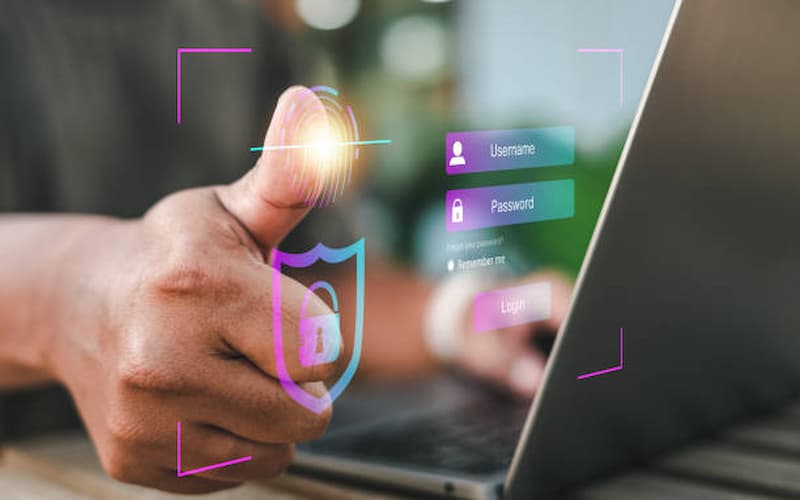
Passwords alone are not sufficient to protect third-party connections. Multi-factor authentication adds an additional layer of security by requiring verification through a second method, such as a mobile app or hardware token.
MFA significantly reduces the risk of unauthorized access, even if login credentials are stolen. SMEs should enforce MFA for:
This simple control can dramatically strengthen overall network security.
Visibility is essential when managing external access. SMEs should implement monitoring tools to track vendor activity in real time.
Monitoring solutions can help detect:
Security logs should be regularly reviewed, and automated alerts should be configured to notify IT teams of abnormal behavior. Continuous monitoring ensures that potential threats are identified early.
Contracts with third parties should include detailed cybersecurity requirements. These agreements define expectations, responsibilities, and consequences in case of breaches.
Important contract elements include:
Formal agreements help ensure that vendors understand and comply with your organization’s security standards.
Many vendors require remote access to systems. SMEs must ensure that remote connections are protected using secure technologies such as:
Avoid direct exposure of internal systems to the public internet. Instead, route access through controlled and monitored entry points.
Third-party relationships evolve over time. Vendors may change personnel, systems, or security policies. Therefore, SMEs should conduct periodic reviews of all external access permissions.
Recommended practices include:
Routine reviews reduce the risk of forgotten accounts becoming security vulnerabilities.
Network segmentation divides systems into separate zones. This limits lateral movement if a vendor account is compromised.
By isolating critical assets, SMEs can ensure that third-party access is restricted to specific areas only. Even if a breach occurs, segmentation minimizes the potential impact.
Segmentation also enhances compliance and improves overall network performance.
Despite strong preventive measures, security incidents can still occur. SMEs must have a clear incident response plan that includes procedures for third-party-related breaches.
The plan should define:
A well-prepared response plan reduces downtime and financial loss during security events.
Human error remains one of the leading causes of cyber incidents. SMEs should provide regular cybersecurity awareness training to employees who manage vendor relationships.
Training topics should include:
Educating both internal teams and vendors promotes a culture of shared responsibility for security.
Implementing strong third-party access controls provides several advantages:
For SMEs, these benefits translate into stronger competitiveness and long-term sustainability in a digital economy.
Securing third-party access is a critical component of modern cybersecurity strategy. As SMEs continue to collaborate with external vendors for cloud services, IT support, and business operations, managing these connections securely becomes essential. By conducting vendor risk assessments, enforcing least-privilege access, implementing multi-factor authentication, monitoring activities, and establishing strong contractual agreements, organizations can significantly reduce exposure to cyber threats.
A proactive approach to third-party security not only protects sensitive information but also strengthens overall business resilience. For growing enterprises, investing in structured access control and continuous monitoring ensures that partnerships remain productive, secure, and aligned with long-term strategic goals.
In an increasingly interconnected digital environment, securing third-party access is not just a technical requirement—it is a strategic necessity for sustainable business success.

© 2025 Crivva - Hosted by Airy Hosting Managed Website Hosting.