

Leaving your child at daycare for the first time can bring up a lot of mixed feelings. Every parent wants to know that their little one will be looked after, listened to, and cared for just like they are at home. When you start looking at different early learning centres, one phrase that pops up constantly is “small class sizes.”
But what does a smaller group actually mean for your toddler’s day-to-day experience?
At Pines Early Learning, keeping group sizes small isn’t just about managing a room; it’s about making sure no child gets left in the background. When there are fewer children in a space, educators can focus on what matters most: building real, trusting relationships with every single boy and girl.
In a massive room filled with dozens of toddlers, it is incredibly easy for quieter children to fade into the background. Outgoing children naturally demand attention, while more reserved children might sit quietly in a corner, missing out on valuable interactions.
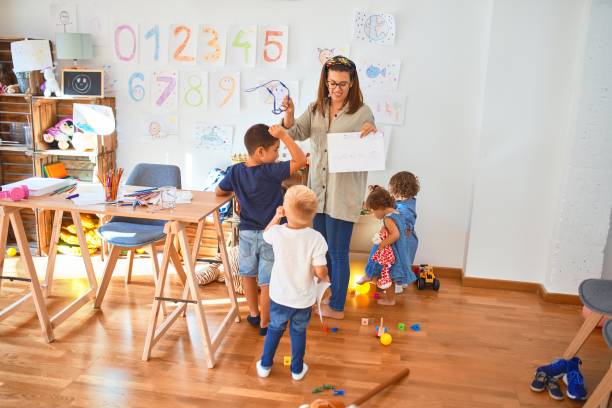
Smaller class sizes completely change this dynamic. When an educator is responsible for a smaller, more intimate group, they can see exactly what each child is doing, how they are feeling, and what they need at any given moment.
Think of it like a family dinner versus a busy restaurant. In a busy restaurant, the waitstaff are rushing around, trying to clear tables and take orders as fast as possible. They might be polite, but they don’t have time to chat. A small classroom is more like that relaxed family dinner. There is time to talk, time to listen, and space to notice the little things—like a child who is struggling to share or a toddler who has just figured out how to balance a tricky stack of blocks.
When your child gets more individual attention from their educators, it helps their growth in several key areas.
For young children, feeling safe is the foundation of learning. If a child feels anxious or lonely, their brain is focused on survival, not on playing or discovering new things. Fewer children per educator means that when your child needs a cuddle, a hand to hold, or just a reassuring smile, someone is always there. This quick response builds a deep sense of security, helping children settle into their routine much faster.
Children do not grow or learn at the same pace. One four-year-old might be fascinated by drawing and letters, while another is completely focused on building tracks and understanding how wheels move. In a small group setting, educators have the time to notice these unique interests. They can plan specific activities that match what your child loves right now, making early education feel like fun rather than a chore.
When rooms are overcrowded, noise levels rise, and children can easily become overwhelmed or cranky. Squabbles over toys happen more often simply because everyone is cramped. With more space and fewer peers, the environment stays calmer. Educators can step in before a disagreement turns into a tantrum, gently guiding children to use their words and share.
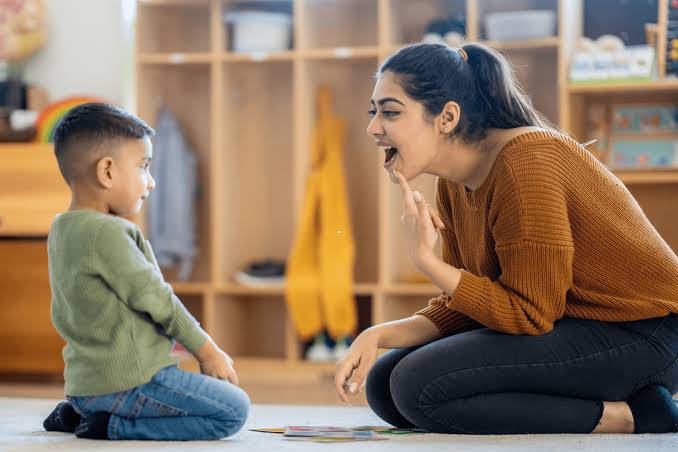
Children learn to speak by listening to adults and practicing words with people who respond to them. In a massive group, conversations are often brief and instructional—like “wash your hands” or “sit down for lunch.” In a smaller group, educators can have proper, back-and-forth conversations with your child. They can ask open-ended questions about their drawing or listen patiently while a toddler tries to find the right words to describe their weekend.
To see the real value of smaller numbers, let’s look at a typical morning at childcare.
Imagine a group of children sitting down for a painting activity. In a crowded room, the educator spends almost all their time pouring paint, wiping up spills, and stopping children from wiping brushes on each other. It is pure crowd control.
Now, look at the same activity at Pines Early Learning. With a smaller group, the physical management is simple. Because the educator isn’t rushed, they can sit on the floor next to the children. They can notice that Olivia is using mostly blue paint and ask her why. They can see that Leo is struggling to hold his brush and gently show him how to grip it. The activity transforms from a chaotic time-filler into a rich, creative learning moment.
When you visit potential centres, look past the shiny toys and the big playgrounds for a moment. Watch how the staff interact with the children. Are they rushing from one job to the next, or do they have the time to sit, talk, and laugh with the kids?
Choosing a centre that values lower ratios and smaller group environments gives your child the best start. It gives you peace of mind, knowing that even when you aren’t there, your little one is being heard, understood, and given the attention they deserve.
In Australia, national regulations set strict minimum ratios. For babies under two years, it is generally 1 educator to 4 children. For children aged two to three years, the ratio is usually 1:5, and for preschool-aged children, it is 1:11 or 1:10 depending on the state.
Smaller groups reduce overwhelming noise and chaos, which can frighten quiet kids. Educators have the time to slowly build trust with a shy child, offering them a safe space and individual comfort until they feel brave enough to join in.
Yes, absolutely. Socialising in a smaller group teaches children how to form deep, meaningful friendships. It allows them to practice sharing, listening, and problem-solving without being overwhelmed by too many personalities at once.
Actually, it means the opposite. Because educators spend less time managing large crowds and bad behaviour, they can set up more complex, creative, and hands-on activities that match the specific interests of the children.
When you go for a tour, ask how many children are booked into each room daily, rather than just asking about the legal ratios. Watch to see if the rooms feel calm and if educators are actively sitting and playing with small groups of kids.

© 2025 Crivva - Hosted by Airy Hosting Managed Website Hosting.