

Key Takeaways
The recent surge in remote work has sparked dramatic changes in the way people approach home buying. Freed from the tether of daily commutes, today’s buyers are rethinking not just where they live, but what features truly define a comfortable, productive home.
Rather than settling for proximity to an office, many are now exploring new spaces and amenities to suit evolving needs. For those navigating these changing priorities, Paradise Valley AZ real estate agent Charlie Yin offers valuable insights on finding homes that align with remote work lifestyles.
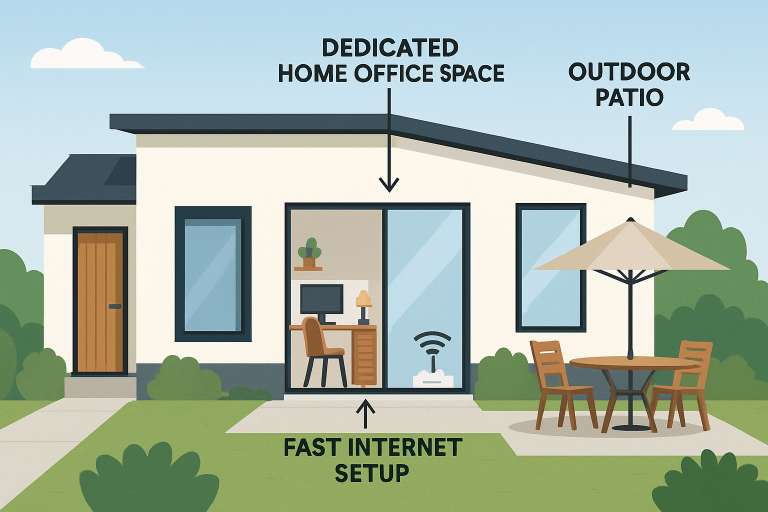
As flexible schedules and telecommuting become the norm, homebuyers are recalibrating what matters most. Dedicated office spaces, high-performance technology infrastructure, and wellness-focused features are at the center of new property wish lists.
Even the concept of location is changing, with more buyers opting for the tranquility of suburban or rural settings rather than traditional city centers.
This shift is not just about having more space; it’s about seeking environments that nurture productivity, creativity, and well-being. The market’s reaction to these trends is shaping the future of neighborhoods, home design, and the very definition of what it means to “feel at home.”
Whether you’re a first-time buyer or considering a move to suit your remote work needs better, understanding these evolving preferences is key to making an informed decision in today’s fast-moving real estate landscape.
The detachment from daily commutes has encouraged a significant migration away from crowded urban cores. Instead, remote workers are favoring suburban and rural locales that offer more living space, affordability, and a pace of life that aligns with their new routines.
According to a 2023 report, a record 25% of Redfin.com users considered moving to a different metro area in the fourth quarter, driven by high housing costs and the flexibility of remote work.
The transition to remote or hybrid work models has turned the home office from an afterthought into an essential requirement. Homebuyers are prioritizing properties with flexible floor plans, bonus rooms, or even finished basements that can serve as private, productive workspaces.
Soundproofing, built-in desks, and access to natural light rank high on must-have lists. A home’s capacity to accommodate focused work without sacrificing comfort is now a major differentiating factor for buyers seeking to balance career with personal life.
No feature is more closely tied to remote work success than reliable internet connectivity. Buyers are increasingly seeking locations with robust high-speed internet infrastructure, including access to fiber networks that ensure seamless video conferencing, large-file transfers, and uninterrupted virtual meetings.
Smart home readiness is often paired with high-speed internet, as interconnected devices for lighting, security, and temperature control further enhance the work-from-home experience. Connectivity now ranks alongside traditional utilities in buyer considerations, influencing both urban and exurban property values.
Spending more time at home has reframed outdoor living areas as extensions of interior space. Buyers are placing greater emphasis on features like patios, decks, gardens, and even wellness-specific additions such as yoga patios, home gyms, or outdoor meditation zones. The value of natural light, fresh air, and private green space is more pronounced than ever, with buyers seeking spaces that support both relaxation and recreation, blending workday breaks with opportunities for exercise and mental health boosts.
Remote work has fueled the adoption of smart home technologies that streamline daily routines and provide peace of mind. Integrated systems for lighting, security, and climate, smart appliances, and voice-activated assistants are fast becoming standard requests.
These features offer convenience, improved energy efficiency, and enhanced home security, resonating with tech-savvy buyers and those managing work and family from the same space. The ability to control and customize environments with ease is raising the standard for what constitutes a desirable home in the remote work era.
The modern remote worker needs a space that adapts as life demands. Homes designed with versatile movable partitions, convertible rooms, built-in storage, and ergonomic upgrades are powerfully attractive.
Beyond just a dedicated office, homeowners are thinking ahead to how spaces might transition over time, whether to accommodate children’s schooling, exercise areas, or guest quarters for visiting relatives. Larger footprints and open, reconfigurable layouts are in high demand as buyers look for long-term flexibility and comfort.
These new priorities have fundamentally shifted the dynamics of the housing market. Suburban and rural property values are rising, often outpacing those in traditional city centers. In contrast, urban rentals have experienced price softening as demand for downtown convenience wanes.
Bidding wars and limited inventory are common in areas that combine space, connectivity, and quality of life. Real estate professionals report that buyers are willing to wait or expand their search areas rather than compromise on features central to their remote work and lifestyle plans.
In the past decade, and especially since the COVID-19 pandemic, remote work has shifted from a niche option to a central pillar of modern professional life. As millions of workers transitioned from office cubicles to kitchen tables and spare rooms, the way people think about home — and what they want from it — fundamentally changed.
Remote work isn’t just a trend anymore. It’s reshaping where people choose to live, how they value space, and what features make a house truly feel like home. This article explores how remote work has altered homebuyer priorities, and what these changes mean for the future of housing markets worldwide.
The profound influence of remote work on homebuying priorities will continue to echo across the real estate industry. As more households seek properties that offer flexibility, connectivity, and wellness, the market will continue to adapt to meet these demands.
Whether moving out of a city high-rise or upgrading to a home with smart features and a garden, buyers are shaping a new standard for what it means to live and work well from home.

© 2025 Crivva - Hosted by Airy Hosting Managed Website Hosting.