Every construction project reaches a critical moment where design intent meets site reality. At this intersection, execution discipline determines whether schedules hold, costs stay controlled, and structural intent translates cleanly into built form. Rebar Detailing operates silently at this stage, not as a background task, but as a decisive operational layer that aligns engineering logic with construction practicality. When done correctly, it converts complex structural concepts into build-ready intelligence that site teams can actually work with.
The success of a project is rarely driven by grand design gestures alone. It is driven by how well information flows from structural drawings to fabrication yards and finally to the site floor. This is where Rebar Detailing Services shape outcomes long before concrete is poured.
Structural designs often carry layered complexity, load paths, bar congestion zones, lap requirements, cover conditions, and code-driven spacing rules. These elements may be fully compliant on paper, yet difficult to execute without interpretation. Rebar Shop Drawings act as the operational bridge that converts this intent into step-by-step construction clarity.
Well-developed rebar documentation removes guesswork. It communicates bar sizes, placement logic, sequencing, and installation references in a language site teams understand. This reduces field-level assumptions and limits dependency on verbal clarifications that often lead to inconsistency.
For engineers and builders, this translation stage is where constructability is either validated or compromised.
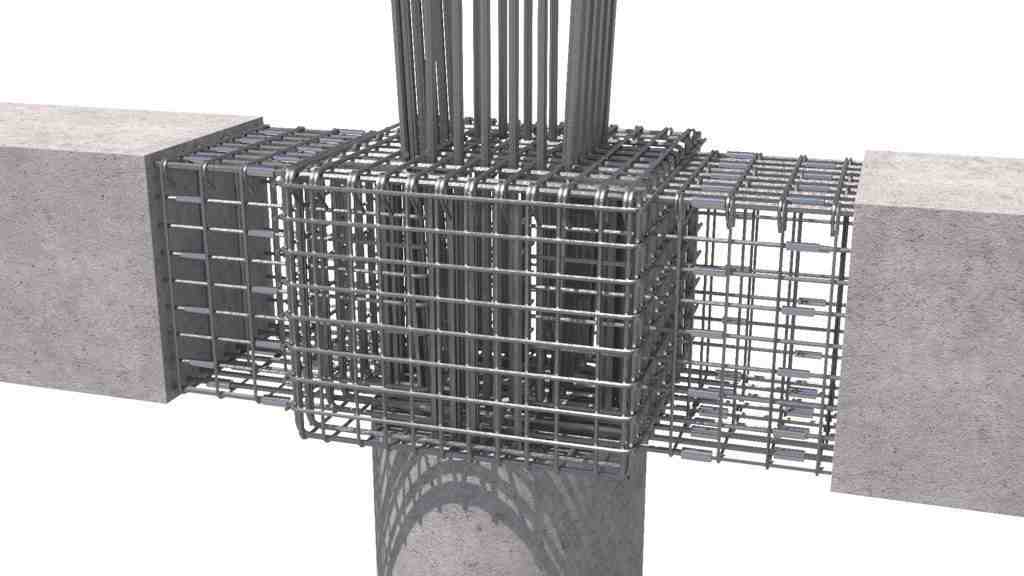
Modern projects rarely involve uniform slabs or repetitive framing alone. Transfer beams, shear walls, podium levels, pile caps, and heavily reinforced cores introduce density that cannot be resolved visually on general arrangement drawings alone. Rebar Modeling Services allow teams to visualize reinforcement interactions before material reaches the site.
By digitally mapping rebar layouts, clashes with embeds, post-tension ducts, openings, and MEP sleeves become visible early. This avoids reactive decisions during installation, where time pressure often drives suboptimal fixes.
The value here is not theoretical. It lies in fewer site stoppages, fewer field changes, and smoother coordination between trades operating within the same structural zones.
Construction momentum depends on predictability. When reinforcement layouts are unclear or incomplete, sequencing breaks down. Crews wait. Pour schedules shift. Temporary workarounds appear.
Accurate Rebar Drawings support clear sequencing by defining pour breaks, construction joints, starter bar logic, and continuity requirements. This allows site teams to plan labour, formwork cycles, and inspections with confidence.
From a project controls perspective, this clarity stabilizes short-term planning and reduces cascading delays that typically originate from reinforcement ambiguities.
RFIs are often treated as routine project artefacts. In reality, many stem from avoidable documentation gaps. Ambiguous lap lengths, unclear bar bends, missing references, or overlapping callouts slow down progress and shift accountability.
High-quality Rebar Detailing Services address these issues upstream. By resolving constructability questions during detailing, engineers and contractors reduce the volume of reactive communication during construction. This leads to cleaner approval cycles and fewer last-minute design clarifications.
For project managers, this directly impacts schedule certainty and administrative overhead.
Rebar detailing does not operate in isolation from fabrication realities. Bar bending schedules, stock lengths, transportation constraints, and yard handling methods all influence how reinforcement should be documented.
Detailers who understand fabrication workflows produce outputs that align with bending yard practices. This improves material utilization, limits offcuts, and supports smoother delivery cycles. Rebar Shop Drawings that reflect real fabrication logic reduce downstream friction between suppliers and site teams.
This alignment contributes to cost control without relying on aggressive value engineering or late-stage compromises.
Structural compliance is not validated by drawings alone; it is validated in execution. Incorrect bar placement, insufficient cover, or missed continuity bars often require partial demolition or remedial works.
Through coordinated Rebar Modeling Services, detailing teams validate spatial compliance before installation begins. This proactive verification helps site teams meet inspection requirements without repeated adjustments.
Inspectors receive clearer documentation. Contractors face fewer corrective actions. Engineers retain confidence that design intent remains intact throughout construction.
Large projects involve multiple stakeholders reviewing reinforcement information, structural engineers, contractors, fabricators, inspectors, and sometimes third-party reviewers. Consistency across documentation becomes critical.
Standardized Rebar Detailing outputs create a shared reference point. Everyone reviews the same logic, the same bar marks, and the same placement rules. This reduces interpretation drift as drawings move between teams.
For collaborative delivery models, this shared clarity supports smoother coordination without adding layers of administrative control.
As project scale increases, so does the impact of small detailing errors. What may be manageable on a low-rise structure becomes costly on infrastructure or high-rise developments.
Scalable Rebar Detailing Services introduce repeatable detailing standards, clear annotation systems, and consistent modeling practices. These elements support volume without sacrificing clarity.
For engineering firms and builders managing multiple packages simultaneously, this scalability becomes a competitive operational advantage.
Ultimately, successful construction is about confidence—confidence that drawings are buildable, that materials will arrive correctly, and that site teams can execute without constant clarification.
Rebar Shop Drawings and coordinated rebar models provide that confidence. They reduce uncertainty, align expectations, and support decisive action across all project stages.
This confidence is felt not only on site but also in commercial forecasting, programme tracking, and quality reporting.
Construction teams perform best when information is reliable. Confidence in reinforcement documentation allows site leaders to commit resources, plan ahead, and manage risk proactively.
Accurate Rebar Shop Drawings, supported by coordinated models and disciplined detailing logic, give teams the confidence to execute without hesitation. This confidence influences not only site performance but also commercial forecasting and programme tracking.
Successful projects reflect this quiet stability rather than constant correction.
Projects succeed when complexity is managed quietly and systematically. Rebar Detailing does not seek attention, but its impact is visible in smoother pours, stable schedules, and structures built as intended.
When should rebar detailing begin within a project timeline?
Rebar detailing is most effective when initiated after structural design freeze and before procurement, allowing constructability and sequencing decisions to be resolved early.
How do rebar shop drawings support site installation?
Rebar shop drawings provide clear placement logic, bar references, and sequencing information that installers rely on during execution.
Can rebar modeling help reduce site coordination issues?
Yes, rebar modeling allows reinforcement to be reviewed spatially, reducing conflicts with embeds, openings, and other building systems.
What causes frequent revisions in rebar drawings?
Late design changes, incomplete structural information, or lack of constructability review often lead to repeated revisions.
How does rebar detailing affect project schedules?
Well-developed rebar detailing supports predictable pours and reduces delays caused by clarification gaps during installation.

© 2025 Crivva - Hosted by Airy Hosting Managed Website Hosting.