

Every production floor deals with small mistakes that can turn into big problems. A missed measurement, a delayed update, or a miscommunication between shifts can slow down output and increase costs. Most of these errors are not caused by careless workers. They happen because information is scattered, manual, or simply too slow to reach the right person at the right time. This is where smart, well-built software steps in to bring order to daily operations.
Many factories still rely on spreadsheets, paper logs, or outdated systems that do not talk to each other. This creates gaps where errors can creep in unnoticed. A manufacturing software development company studies these gaps closely and builds tools that connect machines, workers, and managers on one shared platform. Instead of forcing teams to adjust to rigid software, these companies design systems around how a factory actually works. The result is fewer manual steps, fewer missed details, and a smoother flow of information from the shop floor to the top office.
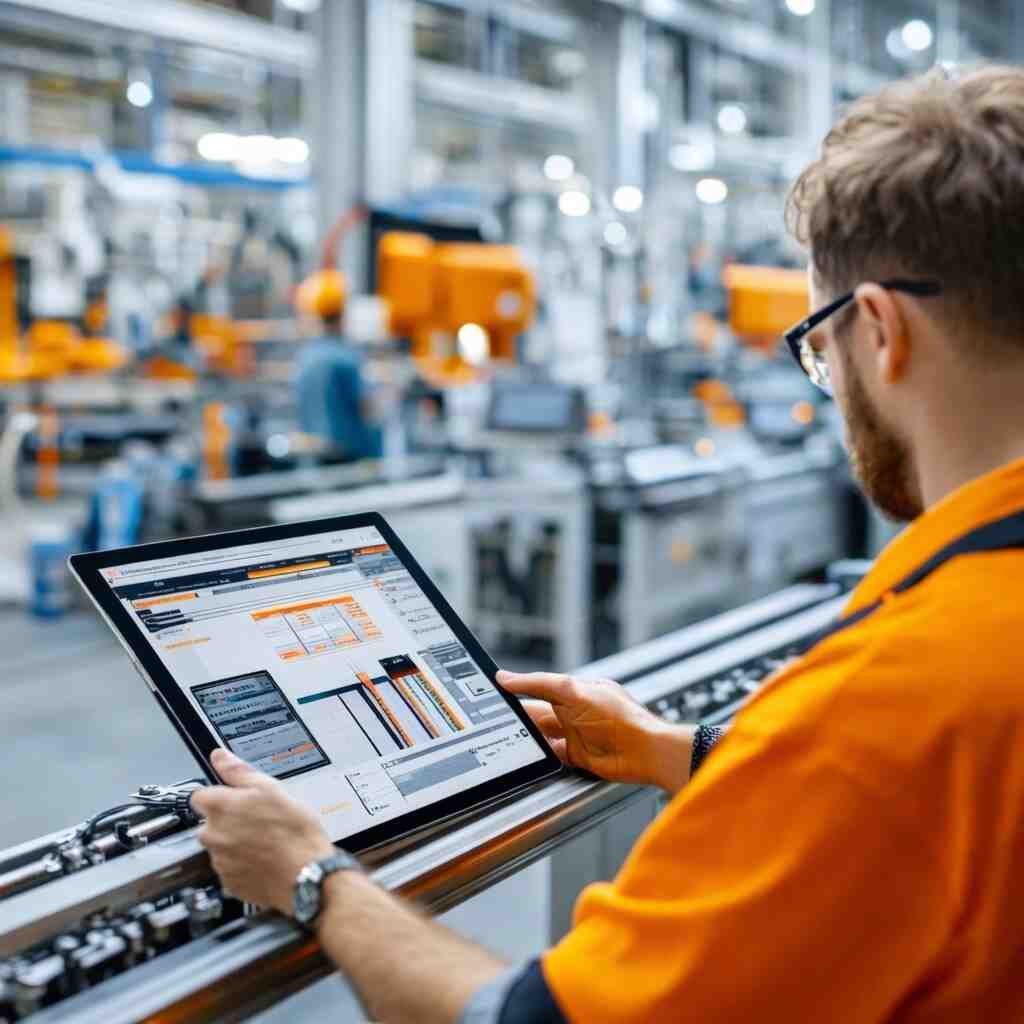
One of the biggest causes of production errors is delayed information. If a machine starts producing slightly defective parts, but nobody notices for an hour, that means an hour of wasted material and labor. Custom software solves this by collecting data from machines and sensors as work happens, not after the shift ends. Supervisors can see live dashboards showing speed, temperature, output quality, and machine health. When something looks off, alerts are sent immediately, allowing teams to pause and fix the issue before it spreads across the entire batch.
Humans are excellent at solving unexpected problems, but repetitive checking is where fatigue and distraction often lead to mistakes. Software can take over routine quality checks by comparing every product against a set standard automatically. If a part does not match the required size, weight, or shape, the system flags it instantly instead of letting it move further down the line. This does not replace workers; it simply removes the burden of constant manual verification, so employees can focus on tasks that truly need human judgment.
A large portion of factory errors come from poor handoffs between shifts or departments. Important notes get forgotten, instructions get misread, or updates do not reach everyone in time. With a connected software system, every update, work order, and maintenance note is stored in one place that all teams can access. When a new shift begins, workers can immediately see what changed, what needs attention, and what tasks are still pending. This reduces confusion and prevents the same mistake from repeating across different shifts.
Unexpected machine failure is one of the most disruptive events on a production floor. It halts work, damages materials already in progress, and sometimes creates safety risks. Modern manufacturing software uses sensor data to track wear and tear on equipment over time. Instead of waiting for a machine to break down, the system predicts when a part is likely to fail and schedules maintenance in advance. This proactive approach keeps machines running smoothly and avoids the chain reaction of errors that often follows a sudden breakdown.
New employees are more likely to make errors simply because they are still learning the process. Well-designed software includes built-in guides, step-by-step instructions, and visual checklists that walk new workers through each task. This reduces the learning curve and prevents small misunderstandings from turning into costly mistakes. Experienced staff also benefit, since the system acts as a reliable reference whenever a process changes or a new product line is introduced.
Accuracy on the production floor depends on trust in the data being used. When records are manual, errors in data entry can quietly mislead an entire team. Custom-built systems remove this risk by automatically logging information directly from machines and verified inputs. This creates a transparent record that managers can rely on for decisions, audits, and reporting. Over time, this transparency builds confidence across the organization, since everyone is working from the same accurate picture of what is happening on the floor.
Reducing errors on a production floor is not about adding more rules or more supervision. It is about giving people and machines better tools to communicate, monitor, and respond quickly. From real-time alerts to predictive maintenance and automated quality checks, the right technology removes the small gaps where mistakes usually happen. Many manufacturers are now investing in manufacturing software development services to build systems tailored to their exact processes, rather than relying on generic tools that do not fit their needs. The outcome is a production floor that runs with fewer surprises, less waste, and steadier output day after day. In the end, this kind of investment pays off through long-term reliability and growth.
Q1. How does manufacturing software actually reduce human error?
It automates repetitive checks, tracks data in real time, and sends instant alerts when something does not match expected standards, reducing the chances of mistakes going unnoticed.
Q2. Is custom manufacturing software expensive to implement?
Expenses depend on the scale of the manufacturing process and the functionality required, but companies typically achieve significant long-term cost benefits through lower material waste, reduced equipment downtime, and enhanced operational efficiency.
Q3. Can this software work with older machines on the floor?
Yes, many systems are designed to integrate with existing equipment using sensors and connectors, so manufacturers do not need to replace all their machinery at once.
Q4. How long does it take to train staff on new manufacturing software?
Most systems are built with simple, visual interfaces and built-in guides, so workers can usually start using basic features within a few days of training.
Q5. Does this type of software help with regulatory compliance?
Yes, since it keeps accurate, timestamped records of production data, which makes audits and compliance reporting much easier to manage.

© 2025 Crivva - Hosted by Airy Hosting Managed Website Hosting.