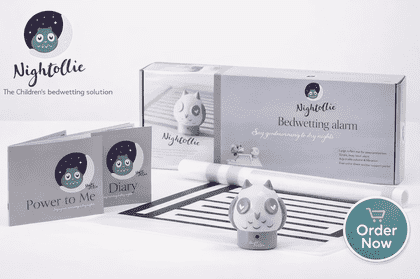
Bedwetting is a common concern for many families, especially when children continue experiencing nighttime accidents beyond the age when bladder control is typically expected. While the issue can be frustrating for both parents and children, it is important to remember that bedwetting is usually a developmental challenge rather than a behavioral problem. Fortunately, modern solutions such as bedwetting alarms have helped countless children gain confidence and achieve consistent dry nights.
Unlike temporary solutions that simply manage accidents, bedwetting alarms are designed to teach children to recognize bladder signals during sleep. This approach focuses on long-term improvement and has become one of the most recommended methods for addressing nighttime bedwetting.
Bedwetting, medically known as nocturnal enuresis, occurs when a child unintentionally urinates while sleeping. Although many children naturally outgrow bedwetting, some continue to experience it for several years.
Several factors can contribute to bedwetting, including:
It is important for parents to understand that bedwetting is rarely under a child’s conscious control. Support, patience, and appropriate treatment options can make a significant difference.
Bedwetting alarms are specialized devices designed to detect moisture at the earliest stage of urination. When moisture is detected, the alarm activates through sound, vibration, or both.
The goal is to create an association between a full bladder and waking up. Over time, the child’s brain learns to recognize bladder signals before an accident occurs.
Most bedwetting alarm systems consist of:
These devices are widely recommended because they focus on bladder training rather than symptom management.
The effectiveness of bedwetting alarms comes from behavioral conditioning. When urination begins, the moisture sensor immediately triggers the alarm.
The process generally follows these steps:
This learning process can take several weeks or months depending on the child, but the results are often long-lasting.
Many healthcare professionals recommend bedwetting alarms because they address the root cause of nighttime accidents. The benefits extend beyond simply keeping the bed dry.
Unlike absorbent products that manage symptoms, alarms help train the body to respond naturally to bladder fullness.
Many parents prefer a treatment option that does not involve medication. Bedwetting alarms provide a natural approach to improving nighttime continence.
Children who experience frequent bedwetting may feel embarrassed or anxious. Achieving dry nights often boosts self-esteem and independence.
As children learn to respond appropriately to bladder signals, they develop stronger awareness and better nighttime routines.
Research has consistently shown that alarm therapy is one of the most effective treatments for persistent bedwetting when used correctly and consistently.
Not all bedwetting alarms offer the same features. Parents should consider several factors before selecting a device.
A high-quality moisture sensor should respond quickly to even small amounts of moisture. Faster detection supports more effective bladder training.
Children are more likely to use an alarm consistently when it feels comfortable during sleep. Lightweight and child-friendly designs can improve compliance.
Some children respond better to loud sounds, while others wake more easily with vibration. Adjustable settings provide flexibility.
Since the device may come into contact with moisture regularly, easy maintenance is an important consideration.
A reliable alarm should withstand daily use throughout the training period without frequent technical issues.
Using a bedwetting alarm effectively requires consistency and family involvement. The following strategies can help maximize success.
Children should understand why the alarm is being used and how it will help them achieve dry nights.
Encouragement and support are essential. Avoid criticism or punishment related to accidents.
A consistent routine can improve overall sleep quality and support bladder training efforts.
Keeping a record of dry nights can help children stay motivated and allow parents to monitor improvements.
Using the alarm every night is important. Inconsistent use may slow progress and reduce effectiveness.
Although bedwetting alarms are highly effective, some families encounter challenges during the early stages.
Many children are deep sleepers and may not wake immediately. Parents may need to assist during the first few weeks.
Some children become discouraged if results do not appear quickly. Regular encouragement helps maintain motivation.
The initial training period may temporarily disrupt sleep for both parents and children. This usually improves as progress is made.
Skipping nights can delay results. Establishing a routine helps maintain consistency.
Families often compare bedwetting alarms with alternative approaches.
Waterproof mattress protectors help manage accidents but do not improve bladder control.
These products can reduce cleanup but generally do not teach the body to respond to bladder signals.
Medication may provide temporary relief in some cases, but symptoms can return once treatment stops.
Bedwetting alarms focus on long-term behavioral learning and are often associated with lasting improvements.
For many families, combining protective bedding with alarm therapy provides both convenience and effective treatment.
Emotional support is a critical part of the bedwetting journey. Children should feel reassured that bedwetting is common and treatable.
Parents can support their child by:
A positive environment often contributes significantly to treatment success.
While bedwetting is common, parents may wish to consult a healthcare professional if:
Professional guidance can help identify any underlying medical factors and recommend appropriate treatment options.
Most children begin showing improvement within 4 to 8 weeks of consistent use. However, some may require up to 12 weeks or longer to achieve regular dry nights.
Bedwetting alarms are generally recommended for children aged 5 years and older who experience frequent nighttime bedwetting. Parents should consult a healthcare professional if they are unsure whether an alarm is appropriate.
Yes. Bedwetting alarms are considered one of the most effective long-term treatments for nocturnal enuresis because they help children develop better bladder awareness during sleep.
During the first few weeks, parents may need to wake their child when the alarm sounds. Over time, many children learn to recognize the alert and wake up independently.
Some children may experience occasional setbacks, but many maintain improved bladder control after completing alarm training. Consistent use and completing the recommended training period can help reduce relapse.
Bedwetting can be a challenging experience for families, but effective solutions are available. Bedwetting alarms remain one of the most trusted and evidence-based methods for helping children develop nighttime bladder control. By teaching the brain to recognize bladder signals during sleep, these devices address the underlying cause rather than simply managing symptoms.
With patience, consistency, and parental support, many children successfully transition to dry nights and improved confidence. For families seeking a long-term, drug-free solution, bedwetting alarms continue to be a practical and highly effective choice.

© 2025 Crivva - Hosted by Airy Hosting Managed Website Hosting.