


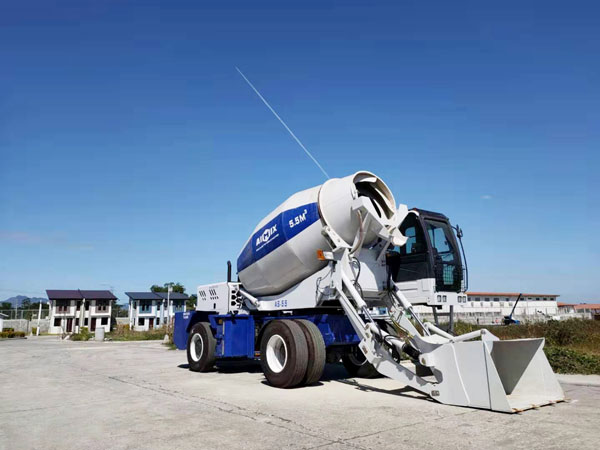
A concrete transit mixer is a common sight on construction sites. It carries mixed concrete from batching plants to pour locations. Its main job is to keep concrete workable during transport. This saves time and helps maintain quality. In this blog, we explain how it works, its types, and how it differs from a self loading mixer concrete.
A concrete transit mixer is a truck-mounted drum that rotates to mix concrete while moving. It receives ready-mix concrete from a plant. The rotation stops the mix from hardening before it reaches the site. Once there, the drum tilts to pour concrete where needed.
This machine suits projects far from batching plants. It removes the need for on-site mixing at every location. It also reduces the number of workers needed to handle materials on site.
Unlike stationary mixers, a concrete transit mixer moves. It combines transport and mixing in one step. This makes it vital for large pours spread over wide areas.
Concrete transit mixers come mainly in two forms. One is the standard drum mixer on a truck chassis. The other is a trailer-mounted mixer for smaller jobs.
Standard models have capacities from 4 to 10 cubic meters. They attach to truck frames with strong engines. Trailer versions are lighter, often 2 to 4 cubic meters, and need towing.
Some advanced models include GPS tracking. This helps fleet managers monitor delivery time and mix status. Others have adjustable discharge chutes for accurate pouring in tight spots.
First, the drum is loaded at the batching plant. The mixture of cement, sand, aggregates, and water goes in. The drum begins rotating slowly. This motion keeps the concrete uniform and prevents segregation.
During transit, the rotation continues at a set speed. Too fast can cause spillage. Too slow may let the mix stiffen. Operators control speed based on distance and weather.
At the site, the truck parks near the pour area. The drum tilts, and concrete flows out through a chute or hose. Some models have hydraulic controls for smooth, controlled unloading.
After unloading, the drum is rinsed. This prevents hardened concrete from damaging parts. Regular cleaning also extends the mixer’s life.
Using a concrete transit mixer improves efficiency. It delivers fresh concrete straight to the pour point. This cuts waiting time for workers and reduces material waste.
It also supports quality. The constant rotation keeps the mix consistent. Segregation of aggregates is minimized. This leads to stronger, more reliable concrete.
For large projects, it saves labor. You do not need separate loaders or mixers at each site. One truck can serve multiple pour points in a day.
Weather protection is another plus. The enclosed drum shields concrete from rain or direct sun. This helps maintain workability during hot or wet conditions.
While both serve concrete mixing, they work differently. A concrete transit mixer moves pre-mixed concrete from a plant. A self loading mixer concrete loads raw materials, mixes, and unloads on site.
A self loading mixer concrete suits remote areas without batching plants. It needs no external supply chain. One operator runs the whole process, from loading to discharge.
Transit mixers need a plant and transport route. They excel when plants are nearby and roads are good. Self loaders thrive where access is difficult or material sources are scattered.
In terms of labor, transit mixers need drivers and sometimes a pump operator. Self loading mixers cut labor since one person handles all steps.
Cost structures differ too. Transit mixers have lower purchase cost but ongoing transport and plant fees. Self loaders have higher upfront price but save on delivery and reduce reliance on third-party plants.
First, think about job location. If you work near batching plants with good roads, a concrete transit mixer is practical. If sites are far, off-road, or lack plants, a self loading mixer concrete may be better.
Next, assess project size. Large pours over wide areas benefit from transit mixers. Smaller, scattered pours suit self loaders.
Also, check labor availability. Shortage of workers favors self loaders for their single-operator design. Transit mixers need more crew coordination.
Budget matters too. Transit mixers may seem cheaper to buy. But if plant delivery is costly or unreliable, total expense can rise. Self loaders have higher capex but can lower operational costs in certain conditions.
Maintenance needs differ. Transit mixers have truck engines and rotating drums. Self loaders have added loading mechanisms and controls. Both need regular servicing, but parts availability may vary by region.
Plan delivery timing carefully. Concrete has a limited workable time. Schedule arrival close to pour start. This avoids premature setting.
Ensure the drum is clean before loading. Old concrete residues can weaken new mixes. Cleaning also prevents uneven rotation.
Monitor weather forecasts. Hot days may require chilled water in the mix. Rain may call for covers to protect the load.
Train drivers in proper drum speeds. Too high a speed risks spillage. Too low allows stiffening. Adjust based on travel distance.
Coordinate with pump operators. Align discharge rate with pour speed. This prevents congestion and maintains mix quality.
Inspect tires and brakes often. Transit mixers are heavy when loaded. Safe transport protects crew and concrete.
One challenge is traffic delays. Congestion can shorten concrete’s workable life. Plan routes and allow buffer time. In cities, night deliveries may avoid jams.
Another issue is uneven loading at the plant. This causes imbalance in the drum. It can affect mixing quality and vehicle stability. Ensure plant operators follow correct sequence and weight distribution.
Cold weather thickens concrete. Preheat water or use additives to aid flow. Hot weather accelerates setting. Use ice or retarders to lengthen workability.
Mechanical failure halts pours. Have backup trucks or contingency plans. Regular maintenance reduces breakdown risk.
Site access problems also arise. Narrow roads or soft ground can block delivery. Survey routes beforehand and prepare temporary access solutions.
A concrete transit mixer produces noise and emissions. In urban zones, follow local rules on idling and noise limits. Use newer engines that meet emission standards.
Spillage risks harm the environment. Train crews to secure chutes and control discharge. Clean spills promptly to protect soil and waterways.
Operator safety is vital. Enforce seatbelt use and drum-lock procedures when cleaning. Rotating drums can cause serious injury if started accidentally.
Wear reflective gear on site. Visibility prevents accidents, especially during night pours. Keep fire extinguishers on the truck for emergencies.
A concrete transit mixer is a reliable way to move and deliver mixed concrete. It keeps quality high and saves time on large jobs. Its rotating drum ensures uniformity during transport.
However, it works best when plants are accessible and sites are reachable. In contrast, a self loading mixer concrete offers independence from batching plants and suits remote or scattered pours.
Choosing between them depends on location, project size, labor, and budget. By understanding how each works and what they offer, you can pick the right machine for your construction needs.
Whether you use a concrete transit mixer or a self loading mixer concrete, proper planning, maintenance, and operation will help you get the most from your investment. This leads to smoother pours, better quality, and safer, more efficient work on every site.

© 2025 Crivva - Hosted by Airy Hosting Managed Website Hosting.