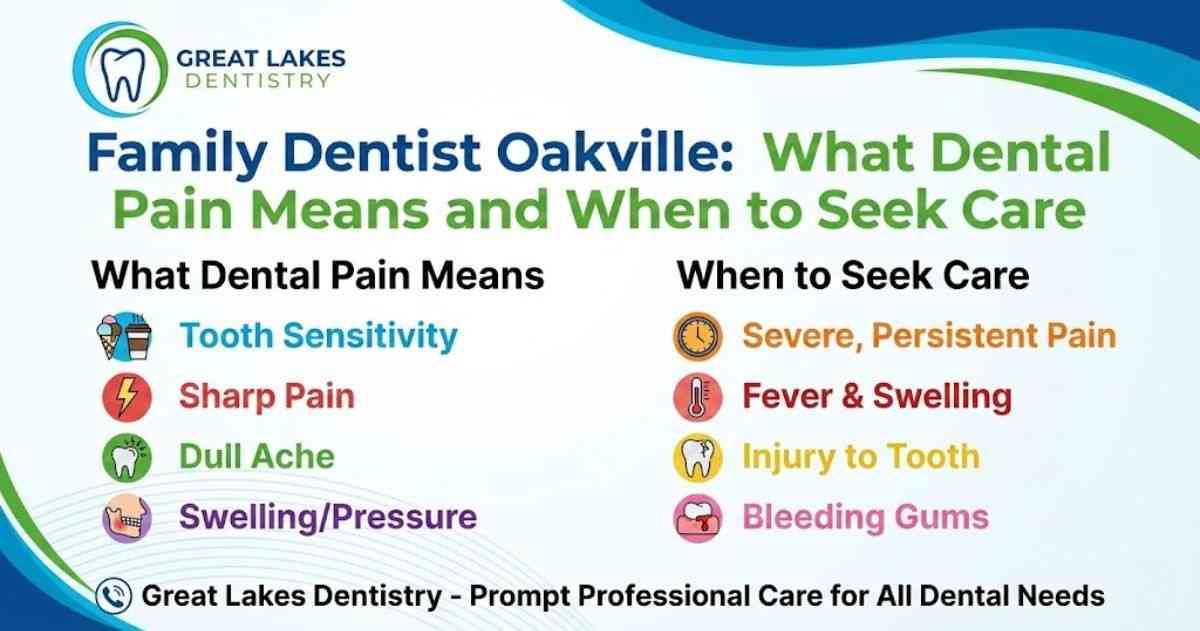
Dental pain rarely arrives at a convenient time. It can start as mild sensitivity and quickly grow into something that disrupts sleep, work, and daily comfort. Many families initially search online for answers, hoping the discomfort will fade. While self-education is useful, understanding what pain actually signals makes a significant difference.
A qualified family dentist Oakville does more than treat teeth. They help patients interpret symptoms, prevent complications, and protect long-term oral health. This guide explains common types of dental pain, what each may indicate, and how families in Oakville, Ontario can respond wisely.
Why Dental Pain Should Never Be Ignored
Pain is the body’s warning system. In dentistry, discomfort often points to:
-
Tooth decay
-
Gum inflammation
-
Infection
-
Bite imbalance
-
Nerve irritation
Early evaluation typically leads to simpler, less invasive treatment. Delaying care can allow minor issues to develop into complex conditions.
Professional organizations such as the American Dental Association and Canadian Dental Association consistently emphasize prevention and early diagnosis as core pillars of oral health.
Understanding Dental Pain Levels
Pain intensity often evolves as a condition progresses.
Normal Discomfort
-
Mild sensitivity
-
Short-lived reaction to cold or sweets
-
Slight tenderness after cleaning or dental work
This discomfort usually resolves quickly.
Inflammation-Related Pain
-
Persistent dull ache
-
Gum tenderness
-
Sensitivity when chewing
Inflammation may arise from early decay, gum irritation, or minor trauma.
Pain Suggesting Infection
-
Throbbing or pulsating pain
-
Swelling
-
Pressure sensation
-
Pain that worsens at night
-
Fever or bad taste
Infections require prompt dental treatment. They do not resolve safely on their own.
Pain Location: What Different Areas May Indicate
Where pain occurs often provides diagnostic clues.
Sharp Pain in a Single Tooth
Possible causes:
-
Deep cavity
-
Cracked tooth
-
Nerve irritation
Diffuse Jaw Pain
May reflect:
-
Teeth grinding (bruxism)
-
Bite imbalance
-
TMJ strain
Gumline Sensitivity
Often associated with:
-
Gum inflammation
-
Early periodontal concerns
-
Aggressive brushing
Pain When Biting
Could indicate:
-
Cracked tooth
-
Infection at the root
-
High dental filling
Temperature Sensitivity
Short reaction → typically reversible
Lingering pain → possible nerve involvement
A skilled provider in family dentistry Oakville settings evaluates these nuances carefully rather than relying on assumptions.
Emotional Reality: Dental Pain Can Feel Overwhelming
Dental discomfort affects more than physical sensation.
Patients frequently describe:
“I understand how frustrating this pain can be. It’s hard to concentrate, eat comfortably, or even relax.”
This emotional component is real. Anxiety, uncertainty, and sleep disruption often accompany oral pain. Compassionate dental care addresses both the clinical issue and the patient’s stress.
Families seeking a family dentist Oakville often value reassurance just as much as treatment.
Step-by-Step Solutions: What To Do
When pain begins, measured actions help stabilize the situation.
Contact a Dentist Early
Professional evaluation remains the safest and most effective response.
Rinse With Warm Salt Water
Helps soothe irritated tissues.
Use Recommended Pain Relief
Over-the-counter options may reduce temporary discomfort when used as directed.
Maintain Gentle Oral Hygiene
Clean the area carefully. Avoid aggressive brushing.
Note Symptom Changes
Track:
-
Pain intensity
-
Swelling
-
Triggers (cold, chewing, pressure)
These details assist diagnosis.
What NOT To Do
Certain habits worsen dental problems.
Do Not Ignore Persistent Pain
Pain lasting more than 1–2 days warrants attention.
Avoid Applying Heat
Heat may intensify swelling in infections.
Do Not Place Aspirin on Gums
This can damage soft tissues.
Avoid Chewing on the Painful Side
Excess pressure may aggravate the condition.
Resist Endless Googling
Online information cannot replace clinical examination and imaging.
When NOT to Google
Stop reading and seek immediate dental care if you experience:
-
Rapid swelling
-
Severe throbbing pain
-
Fever
-
Difficulty swallowing
-
Pain spreading to the ear, eye, or neck
-
Uncontrolled bleeding
These symptoms may indicate infection or complications requiring urgent treatment.
Health authorities including Health Canada highlight the importance of timely professional intervention for infections and acute symptoms.
The Role of a Family Dentist
A family dentist Oakville typically provides comprehensive care for all age groups:
-
Preventive exams
-
Professional cleanings
-
Fillings and restorations
-
Gum health management
-
Emergency dentistry
-
Pediatric care
-
Oral health education
Continuity of care helps dentists monitor subtle changes over time — something walk-in treatment cannot easily replicate.
Preventing Pain Before It Starts
Preventive dentistry remains the most reliable strategy.
Routine Checkups
Early detection reduces the likelihood of severe procedures.
Professional Cleanings
Remove plaque and tartar that brushing cannot eliminate fully.
Daily Oral Hygiene
Consistent brushing and flossing protect enamel and gums.
Dietary Awareness
Frequent sugar exposure increases decay risk.
Night Guards (If Needed)
Protect teeth from grinding-related damage.
Clinicians practicing family dentistry Oakville care frequently focus on education because prevention is more comfortable and cost-effective than emergency treatment.
Dental Anxiety: A Common Barrier
Many patients delay care due to fear.
Common concerns include:
-
Fear of pain
-
Negative past experiences
-
Uncertainty about procedures
Modern dentistry prioritizes comfort through:
-
Gentle techniques
-
Clear explanations
-
Local anesthesia
-
Sedation options (when appropriate)
A supportive family dentist Oakville understands these fears and works collaboratively with patients.
Great Lakes Dentistry: Comprehensive Family Dental Care
Great Lakes Dentistry provides patient-centered dental services for families in Oakville, Ontario. Care focuses on:
-
Thorough examinations
-
Preventive strategies
-
Clear communication
-
Evidence-based treatments
-
Comfortable clinical experience
Whether addressing early sensitivity or urgent discomfort, the goal remains consistent: restore comfort while protecting long-term oral health.
Frequently Asked Questions
Is dental pain always serious?
Not always, but persistent or worsening pain should be evaluated professionally.
How long should I wait before seeing a dentist?
Pain lasting more than a day or two — especially if intensifying — deserves attention.
Can gum pain indicate infection?
Yes. Swelling, redness, and throbbing discomfort may signal infection.
What helps reduce tooth sensitivity?
Gentle brushing, desensitizing toothpaste, and professional evaluation help identify underlying causes.
Why choose a family dentist instead of separate providers?
Family dentistry offers convenience, continuity, and comprehensive care across all ages.
How This Article Was Created
This article was developed using evidence-based dental principles and guidance from recognized authorities including the American Dental Association (ADA), Canadian Dental Association (CDA), and Health Canada. The information reflects widely accepted clinical understanding of dental pain, inflammation, infection, and preventive care. No exaggerated claims or unverified statistics were included. The content aims to support informed decision-making while encouraging professional dental evaluation when needed.
Dental discomfort should not control daily life.
Consulting a qualified dental professional ensures accurate diagnosis, appropriate treatment, and peace of mind.