


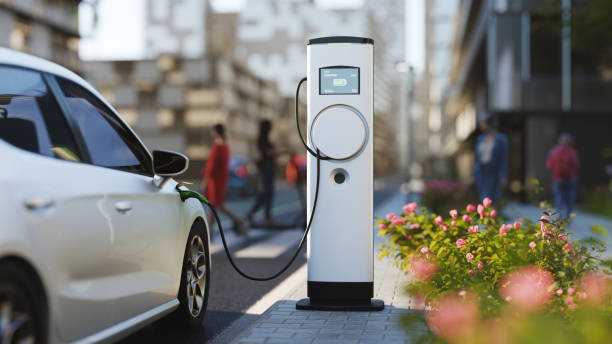
The UAE Electric Vehicle Industry is gaining significant momentum as businesses, logistics operators, and urban transport providers increasingly adopt sustainable mobility solutions. Rising fuel costs, environmental concerns, and government-backed clean transportation initiatives are encouraging the transition toward electric mobility across the country. In the UAE, electric vehicles are no longer limited to personal luxury transportation, as commercial fleets and delivery services are becoming important contributors to adoption. The increasing need for efficient urban logistics and low-emission transportation is shaping the future of electric mobility throughout the Emirates.
The UAE has witnessed rapid urban expansion over the past decade, particularly in Dubai and Abu Dhabi. This urbanization has created increasing demand for efficient transportation systems capable of handling growing passenger and commercial movement. Electric vehicles are emerging as a practical solution due to their lower operating costs, reduced emissions, and compatibility with smart city initiatives.
Government programs supporting sustainability and carbon neutrality have further encouraged electric mobility adoption. Charging infrastructure development, incentives for EV buyers, and green mobility policies are helping create a supportive ecosystem for electric transportation. Fleet operators and logistics firms are also recognizing the long-term operational advantages of EVs, particularly in city-based transportation routes where fuel savings and reduced maintenance costs can be substantial.
The growing popularity of app-based transportation services and e-commerce delivery platforms has additionally increased interest in electric commercial fleets. As urban traffic congestion rises, companies are increasingly looking toward electric mobility solutions that align with environmental goals while improving operational efficiency.
Commercial fleet operators are playing an increasingly important role in the expansion of the UAE Electric Vehicle Market. Delivery companies, rental operators, ride-hailing providers, and corporate transportation services are gradually integrating electric vehicles into their fleets to reduce fuel dependency and operational costs.
According to a study by MarkNtel Advisors, the UAE Electric Vehicle Market is projected to grow at a CAGR of around 28.5% during the forecast period from 2024 to 2030. The report highlights that rising environmental awareness, government sustainability initiatives, and the growing need for low-emission transportation are key factors supporting market expansion. Commercial vehicles are gaining considerable traction due to the flourishing tourism, logistics, and transportation sectors across the UAE.
Fleet electrification also aligns with the UAE’s long-term sustainability objectives. Major logistics and delivery companies are exploring electric vans and commercial vehicles for urban deliveries, especially in densely populated areas where shorter travel distances make EV operations more practical. Businesses are increasingly viewing electric fleets as part of broader ESG and sustainability commitments.
The rapid rise of e-commerce and on-demand delivery services across the UAE has significantly increased the need for efficient transportation networks. Food delivery companies, courier operators, and online retail platforms are seeking cost-effective solutions to manage increasing order volumes while reducing environmental impact.
Electric vehicles are particularly suitable for short-distance delivery operations in urban centers. Their lower maintenance requirements and reduced fuel dependency provide operational benefits for businesses handling daily delivery routes. As battery technology improves and charging infrastructure expands, EVs are becoming increasingly practical for commercial delivery applications.
The UAE government has also introduced several initiatives aimed at supporting green transportation and reducing emissions from the transport sector. According to the UAE Government Portal, the country’s Net Zero by 2050 strategic initiative focuses heavily on sustainable transportation and clean energy adoption. These initiatives are expected to encourage wider deployment of electric commercial fleets across logistics and delivery operations.
Many delivery operators are additionally experimenting with electric two-wheelers and compact EVs to improve urban delivery efficiency. This shift reflects broader changes in consumer expectations, where sustainability is increasingly becoming part of brand perception and customer experience.
One of the major factors influencing electric vehicle adoption is the availability of reliable charging infrastructure. The UAE has made substantial investments in expanding charging station networks across residential, commercial, and public locations. Dubai’s Green Charger initiative and other government-backed programs are helping accelerate infrastructure development throughout the country.
The availability of charging facilities is particularly important for commercial fleet operators, who require dependable charging access to maintain operational continuity. Businesses are increasingly investing in private charging stations at logistics hubs, warehouses, and corporate facilities to support fleet electrification.
According to the International Energy Agency, the expansion of charging infrastructure remains one of the most important factors supporting global EV adoption. Countries investing heavily in public charging networks often witness faster adoption rates among both private and commercial users.
The UAE Electric Vehicle Charging Infrastructure sector is also witnessing notable investment activity. Improvements in fast-charging technologies, portable charging solutions, and smart charging systems are helping address operational concerns associated with commercial EV use. As infrastructure continues to improve, businesses may become more confident in transitioning larger portions of their transportation fleets to electric mobility.
Government support remains a central pillar of electric vehicle adoption across the UAE. Federal and local authorities are implementing various policies designed to encourage clean transportation while reducing dependence on fossil fuels. These measures include incentives for EV ownership, investment in charging infrastructure, and long-term sustainability targets linked to carbon reduction goals.
Dubai’s Green Mobility Strategy 2030 and broader sustainability initiatives are encouraging businesses and consumers to adopt environmentally friendly transportation alternatives. Authorities are also working toward integrating smart mobility solutions within urban development projects, creating a more supportive environment for electric transportation systems.
According to the World Bank, sustainable urban mobility policies are increasingly becoming essential for cities seeking to reduce traffic emissions and improve energy efficiency. Investments in electric transportation infrastructure can significantly contribute to long-term environmental goals while supporting urban economic development.
The UAE’s focus on reducing greenhouse gas emissions is expected to continue influencing EV adoption across passenger and commercial vehicle segments. As sustainability becomes more integrated into national development strategies, electric mobility may play an increasingly important role in transportation planning across the country.
Advancements in battery technology and vehicle performance are helping improve the practicality of electric vehicles for commercial use. Modern EV batteries now offer longer driving ranges, faster charging times, and improved durability compared to earlier generations of electric vehicles. These improvements are especially important for fleet operators that rely on consistent vehicle availability.
Automakers are actively investing in research and development to improve battery efficiency and reduce charging durations. The increasing availability of electric vans, buses, and delivery vehicles is also expanding commercial adoption opportunities. Logistics operators are increasingly considering EVs as viable alternatives for urban transportation and last-mile delivery operations.
Several global automotive companies operating in the UAE are introducing new EV models tailored to regional climate conditions and commercial requirements. Vehicle manufacturers are also focusing on integrating smart fleet management technologies, telematics systems, and AI-based route optimization tools to improve overall operational efficiency.
The combination of improved vehicle performance and supportive infrastructure development is gradually reducing concerns related to range anxiety and operational reliability. As technology continues to evolve, electric mobility solutions are likely to become increasingly attractive for businesses operating in transportation and logistics sectors.
Several international automotive manufacturers are actively strengthening their electric vehicle presence across the UAE. Companies such as Tesla, BMW AG, Hyundai Motor Company, Nissan Motor Corporation, Renault Group, Toyota Motor Corporation, Chevrolet, Ford Motor Company, Porsche Middle East & Africa, Volvo Bus Company, and One Moto are among the major participants operating within the UAE electric vehicle ecosystem.
These companies are expanding their EV product portfolios while also collaborating with regional partners to strengthen charging infrastructure and after-sales support networks. The increasing demand for passenger EVs, electric buses, and commercial electric vehicles is encouraging manufacturers to introduce models tailored for UAE consumers and fleet operators.
Competition among automotive companies is also contributing to technological innovation and improving vehicle accessibility. As more brands enter the UAE electric mobility space, consumers and businesses are expected to benefit from wider vehicle choices, improved battery technologies, and enhanced charging solutions.
The UAE Electric Vehicle Market is expected to continue evolving as sustainability goals, urban mobility requirements, and logistics transformation drive transportation modernization across the country. The growing role of commercial fleets and delivery services may further strengthen electric mobility adoption in the years ahead while contributing to cleaner and more efficient transportation systems.

© 2025 Crivva - Hosted by Airy Hosting Managed Website Hosting.