Dry needling has gained popularity as a targeted treatment for muscle pain, stiffness, and movement restrictions. As more people look for effective, non-medicated pain relief options, this therapy has become a preferred choice among athletes, office professionals, and individuals dealing with chronic muscular discomfort. Understanding how it works, its benefits, and the expected results can help patients make informed decisions about their recovery and long-term muscle health.
Muscle pain is often misunderstood and frequently treated only at the surface level. Dry needling therapy stands out because it addresses pain at its source—deep within the muscle tissue—rather than simply masking symptoms. When performed correctly by a trained professional, it can significantly improve mobility, comfort, and overall quality of life.
Dry needling therapy is a specialized physiotherapy technique used to treat muscle pain and dysfunction. It involves inserting thin, sterile needles into specific trigger points within tight or painful muscles. These trigger points are sensitive knots or bands of muscle fibers that develop due to overuse, poor posture, injury, stress, or repetitive movements.
Trigger points are often the source of localized pain or referred pain, meaning discomfort may be felt in areas far from the actual muscle knot. For example, trigger points in the shoulder muscles may cause headaches, while tight hip muscles can lead to knee or lower back pain.
Unlike injections, dry needling does not involve medication or fluids. The needle itself creates a mechanical stimulus that encourages the muscle to relax and return to its normal resting state. This is why the technique is sometimes compared to needle massage therapy, as it works deep within the muscle tissue to release tension, improve circulation, and restore function at a muscular level.
Muscle pain often occurs due to knots or tight bands of muscle fibers that restrict blood flow and irritate nearby nerves. Over time, these tight areas reduce oxygen delivery, increase inflammation, and send continuous pain signals to the brain.
Dry needling therapy targets these problem areas with precision. When the needle is inserted into a trigger point, the muscle responds in a specific way that promotes healing.
When the needle is inserted:
The muscle produces a brief twitch response, indicating the release of the trigger point
Blood circulation improves in the affected area, bringing oxygen and nutrients
Muscle tension decreases as tight fibers relax
Pain signals to the brain are reduced by resetting neuromuscular communication
This direct and focused approach allows dry needling therapy to address the root cause of muscle pain rather than simply managing surface-level symptoms. As a result, patients often experience quicker and longer-lasting relief compared to conventional treatments.
Dry needling offers several benefits for patients dealing with muscle pain, stiffness, and limited movement. These benefits extend beyond pain relief and support overall muscular health.
One of the most significant benefits of dry needling therapy is rapid pain reduction. Many patients notice improvement after just one or two sessions, particularly in cases of acute muscle pain or recent injury. By releasing trigger points, the therapy interrupts pain cycles that can persist for months or even years.
Tight and shortened muscles limit range of motion and increase the risk of strain or injury. Dry needling helps restore normal muscle length, allowing joints to move freely and reducing stiffness during daily activities or exercise.
Dry needling is widely used for sports injuries, postural pain, and repetitive strain injuries. When combined with strengthening and stretching exercises, it accelerates tissue healing and supports a faster return to normal activity or athletic performance.
Because dry needling addresses pain at its source, many patients find they need fewer painkillers or anti-inflammatory medications. This reduces potential side effects and promotes a more natural healing process.
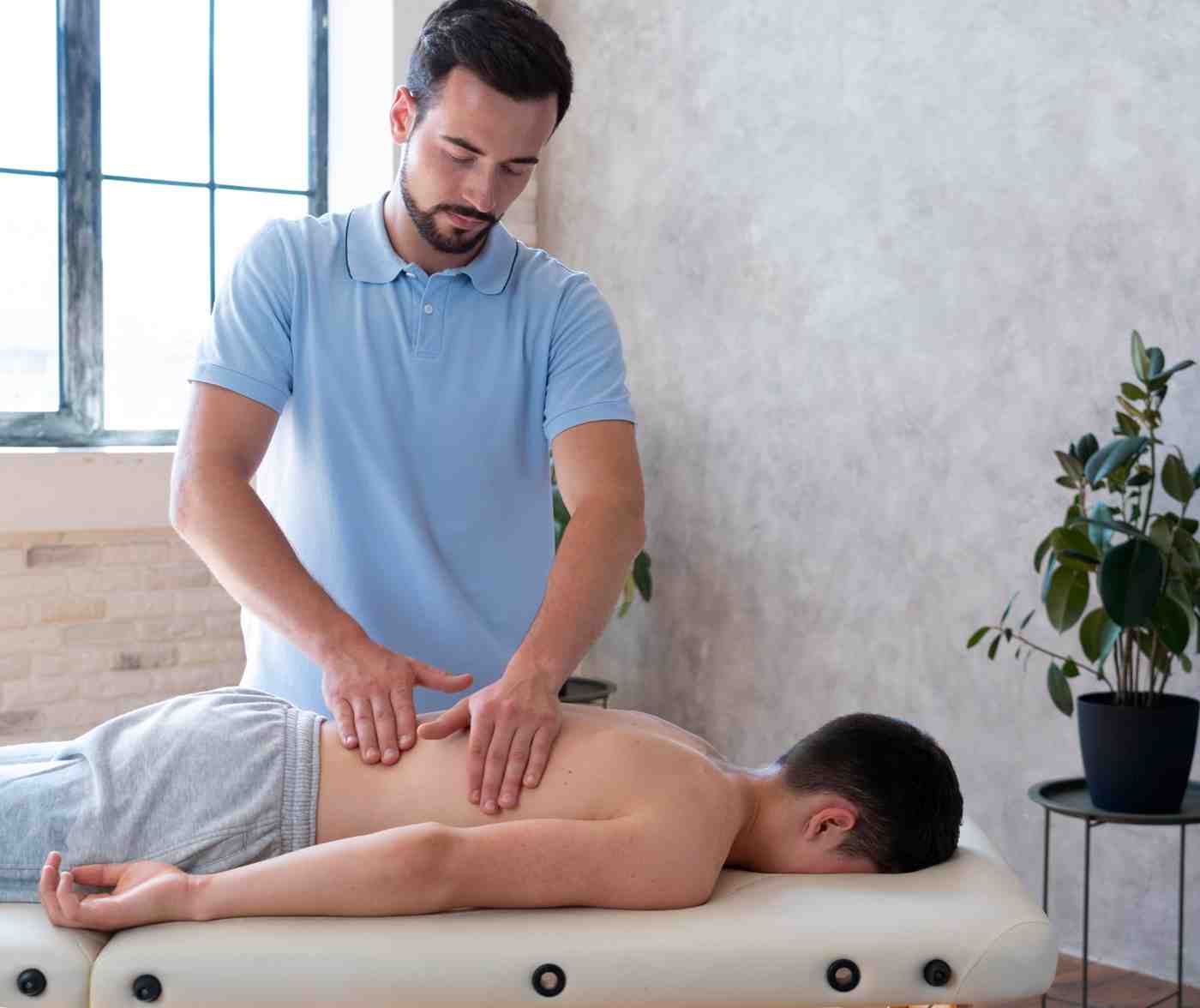
Many physiotherapists combine dry needling and massage techniques to enhance treatment outcomes. While dry needling targets deep muscle knots, massage helps relax surrounding tissues, improve circulation, and enhance overall comfort. This combination leads to more complete and lasting results.
Dry needling therapy is effective for a wide range of muscle-related conditions, making it a versatile treatment option. Common conditions include:
Neck and shoulder pain caused by posture or stress
Lower back pain and sciatica
Tension headaches and migraines linked to muscle tightness
Sports injuries and muscle strains
Postural pain from prolonged sitting or screen use
Chronic muscle stiffness, fatigue, and overuse injuries
For patients with long-standing or recurring pain, dry needling can be an essential part of a comprehensive rehabilitation plan focused on long-term relief and prevention.
A dry needling session typically begins with a detailed assessment. The physiotherapist evaluates posture, movement patterns, muscle strength, and pain areas to identify active trigger points.
During treatment:
Thin, sterile needles are inserted into targeted muscles
You may feel a brief twitch, pressure, or mild discomfort
The procedure usually lasts 15 to 30 minutes
The therapist may combine needling with stretching or manual techniques
After treatment, mild soreness is common and feels similar to post-exercise muscle soreness. This response is normal and usually subsides within 24 to 48 hours. Drinking water, gentle movement, and light stretching can help reduce discomfort.
Patients often wonder how dry needling differs from needle massage therapy. While both techniques use needles, their goals and methods vary.
Dry needling focuses specifically on trigger point release and restoring normal muscle function. Needle massage therapy may involve broader stimulation to promote relaxation and circulation across larger muscle areas.
In many cases, therapists integrate both methods. This combined approach of dry needling and massage offers targeted pain relief along with overall muscle relaxation, making it highly effective for complex or chronic conditions.
The number of dry needling sessions required depends on several factors, including the severity of pain, duration of symptoms, lifestyle habits, and overall muscle health.
Acute conditions may improve within one to three sessions
Chronic pain may require multiple sessions over several weeks
Best results occur when combined with exercise and posture correction
Consistency, professional guidance, and proper aftercare play a major role in achieving long-term relief.
When performed by a trained and certified professional, dry needling therapy is considered safe and effective. Physiotherapists follow strict hygiene protocols using sterile, single-use needles. Proper assessment and technique minimize risks and ensure patient comfort.
Patients should always seek treatment from qualified practitioners with specific training in dry needling procedures to ensure safety and optimal outcomes.
Dry needling therapy has emerged as a highly effective treatment for muscle pain, stiffness, and restricted movement. By targeting trigger points directly, it provides faster relief, improved flexibility, and long-lasting results compared to traditional pain management approaches.
When combined with complementary approaches such as needle massage therapy and dry needling and massage techniques, patients benefit from comprehensive care that supports both recovery and prevention. If muscle pain is limiting your daily activities or performance, dry needling therapy may be the solution to help you move better, feel stronger, and recover faster—naturally and effectively.

© 2025 Crivva - Hosted by Airy Hosting Managed Website Hosting.