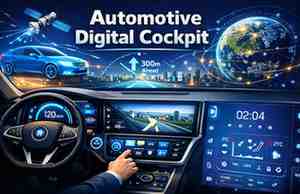
There is a radical technological change being experienced in the automotive industry with vehicles increasingly being integrated with digital technologies to enhance user interaction, connectivity and safety. The creation of the automotive digital cockpit is one of the most obvious changes in this transition and involves the consolidation of many vehicle interfaces into one digital space. Digital cockpits are integrated instrument clusters, infotainment displays, connectivity platforms, and advanced driver assistance information put into one centralized system, which contributes to the driver awareness and experience of the passengers.
According to the research carried out by MarkNtel Advisors, the Global Automotive Digital Cockpit Market is estimated at about USD 24.13 billion in 2024 and is expected to reach about USD 41.23 billion by 2030 with growth rate of about 9.34% per annum in 2025-2030. Such development is associated with the growing demand towards the use of connected cars, sophisticated human-machines interfaces, and software-based car technologies.
An automotive digital cockpit is a digital interface in a car, which integrates important driving data, entertainment, and communication services on electronic displays and interactive controls. The conventional dashboards used were usually based on analogue gauges and different infotainment devices, which did not enable its integration of vehicle systems.
Digital cockpits on the other hand, display information using large digitized displays and incorporated software platforms that provide the data in a more dynamic and customizable form. Such systems are often equipped with digital instrument clusters, infotainment touch screens, head-up displays, and connectivity systems which enable the driver to view navigation, media and vehicle information on a single interface.
This trend of moving to digital cockpits is a part of a larger technological movement in the automotive sector, as more and more functionality in a vehicle comes to be defined by software. With the increased interconnectedness and smartness of vehicles, digital cockpits are the control center where drivers communicate with the vehicle digital ecosystem.
One of the reasons as to why the automotive digital cockpit market will continue to grow is the rising need to have connected vehicles. Consumers are now demanding vehicles that have digital features to match that of smartphones and other consumer gadgets. The characteristics of a real-time navigation system, voice recognition, smartphone compatibility, and streaming applications have turned into the regular expectations of an average modern car purchaser.
Car makers are thus integrating sophisticated digital interfaces, which offer flawless connectivity among cars and external digital media. The interfaces enable drivers and passengers to use the applications, entertainment services, and information about the vehicle by using straightforward touch or voice-based functions.
Besides being connected, there is personalization which is now an ingredient of the modern driving experience. Digital cockpits have options that enable users to define display layouts, to choose favorite driving information and create a personal user profile. These features make user experience more comfortable and convenient and also allow manufacturers to innovate their cars by creating unique digital experiences.
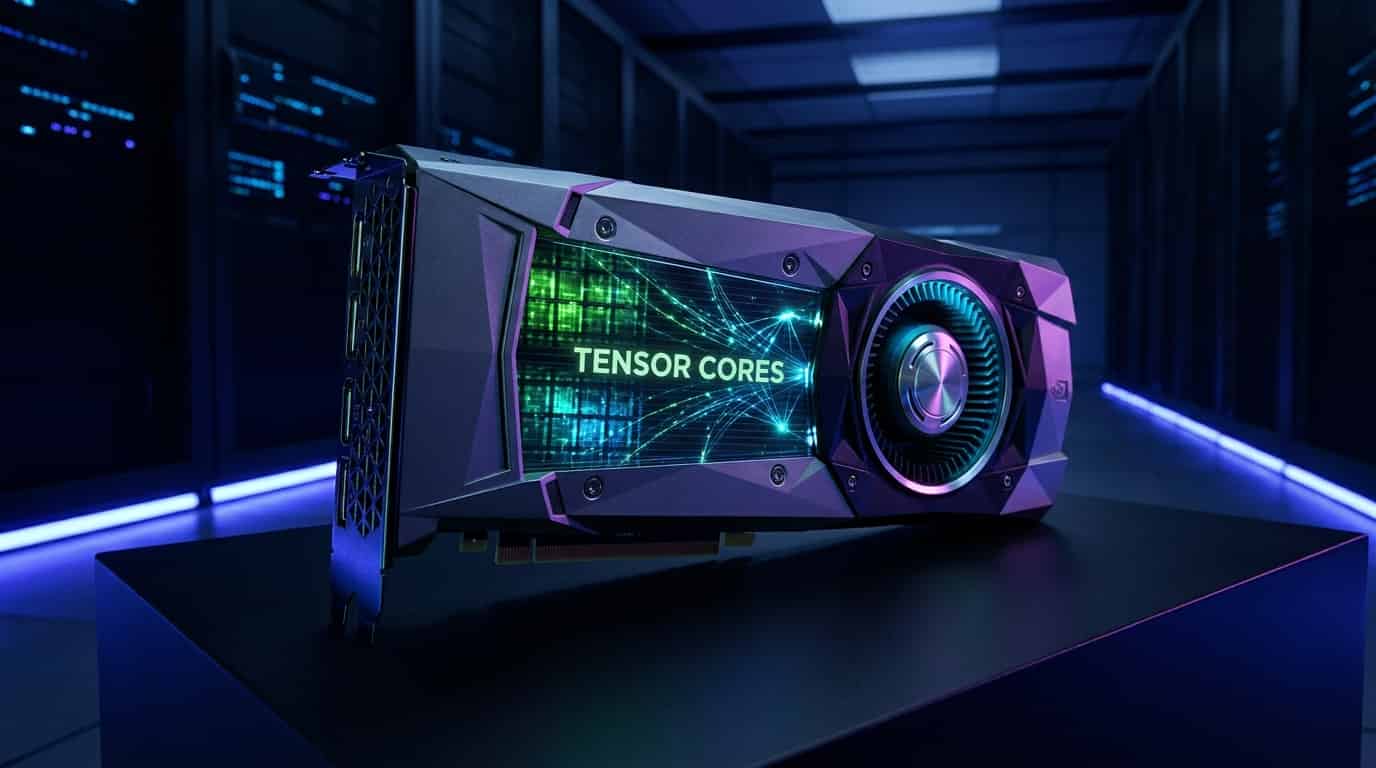
The advancement in the field of technological hardware and display systems has played a key role in the development of automotive digital cockpits. Digital cockpits are facilitated by high-performance processors and graphics units that allow the cockpit to execute various applications at the same time without compromising on the smooth running of the system. These processors are also used to support high-resolution graphics which make them more visualized and easier to use.
Improvement in display technology is also having a significant role to play. Newer cars are going to have bigger touch screens, curvy screens, multi-screen cockpit layouts, which will give more information without making the driver overwhelmed. These screens are capable of incorporating navigation tools, driver intervention notifications or entertainment materials within one interface.
Moreover, new technologies (artificial intelligence and cloud connectivity) are upgrading the capabilities of digital cockpits. The artificial intelligence system can support voice assistants and intelligent user interface that will enable drivers to activate the vehicle functions using natural language. Cloud-based connection enables vehicles to be updated with software remotely so that the digital cockpit systems can be improved and enhanced with new features as time goes by.
The driver monitoring systems and head-up displays are also increasing the use of digital cockpits in enhancing vehicle safety. These technologies are used to provide required information on the driver screen of view besides controlling the driver focus and concentration.
Advanced driver assistance systems (ADAS) are being more frequently coupled with digital cockpits and are aimed at increasing vehicle safety and helping drivers cope with complex driving situations.
The interface to communicate these safety alerts to the drivers is given by digital cockpit displays. Digital cockpits simplify the process of making drivers aware of possible risks and reaction to them because they provide information in simple and easily understandable formats.
This digital cockpit-ADAS integration will likely grow in value as the automotive sector advances to more automation of vehicles. With the development of automated driving systems, the use of digital cockpits will be the main event in communicating the status of the system.
The market of automotive digital cockpit is highly dependent on regional dynamics. The study indicates that Asia-Pacific is the country that controls the major portion of the worldwide automotive digital cockpit. This can be explained by the fact that the region has a huge automotive manufacturing supply, as well as the rising use of advanced vehicle technologies.
Existence of large automotive companies and technology players in the area also contributes to cockpit technology innovations. Moreover, state programs on the development of smart mobility and electric cars also lead to the introduction of digital technologies to new models of vehicles.
There are also cases in other regions like North America and Europe where the digital cockpit systems are steadily being adopted because of high demand of premium vehicle models and advanced driver assistance features.
There is a wide variety of technology vendors, automotive parts companies and software vendors that are involved in the global automotive digital cockpit market. These firms have a close working relationship with car makers to develop and provide customized cockpit solutions to specific cars platforms.
The main participants in the market are Aptiv, Continental AG, Denso Corporation, Faurecia, Harman International, Luxoft, Nvidia, Pioneer Corporation, Robert Bosch and Visteon. These companies help in the creation of cockpit hardware, display systems, embedded software platforms and connectivity solutions.
The players in the industry are also putting a lot of effort in research and development to help them integrate the systems, improve the computing performance, and accommodate emerging technologies like artificial intelligence and augmented reality displays. The working relationship between the technology companies and the car manufacturers is becoming more crucial in the provision of advanced cockpit solutions in their bid to keep up with the changing consumer demands

© 2025 Crivva - Hosted by Airy Hosting Managed Website Hosting.