


In recent years, dental tourism has become a significant trend among UK patients seeking affordable and timely dental care. Turkey has emerged as one of the most popular destinations for overseas dental treatment, attracting thousands of British patients each year for procedures ranging from cosmetic dentistry to complex restorative treatments such as implants and full-mouth rehabilitation.
The appeal of Turkish dental treatment is often linked to lower costs, modern clinics, and shorter waiting times. However, travelling abroad for healthcare is a major decision with long-term implications for oral health, finances, and overall wellbeing. UK patients must carefully evaluate the benefits, risks, and trade-offs involved before committing to treatment overseas.
This article provides an objective, patient-focused overview of Turkish dental treatment, addressing key concerns, planning considerations, and the long-term impact of choosing dental care abroad.
Turkish dental treatment refers to a wide range of dental procedures provided by clinics in Turkey to international patients. These treatments can be broadly categorised into:
Cosmetic dentistry: Veneers, teeth whitening, smile makeovers
Restorative dentistry: Crowns, bridges, dentures
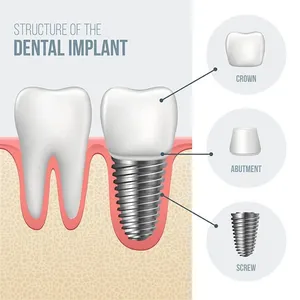
Implant dentistry: Single implants, All-on-4 or All-on-6 full-arch restorations
General dentistry: Fillings, root canals, hygiene treatments
The scope of services is similar to that offered in the UK, but differences exist in cost structures, regulatory frameworks, and healthcare systems.
One of the most frequently cited reasons UK patients seek treatment in Turkey is cost. Private dental care in the UK can be expensive, particularly for cosmetic and implant procedures. Turkish clinics often advertise significantly lower prices, leading many patients to compare Dental implants Turkey cost with domestic prices.
Cost differences are influenced by:
Lower labour and operational expenses
Currency exchange rates
Government support for medical tourism
High patient volumes and competition among clinics
While savings can be substantial, lower prices may also reflect differences in regulatory oversight, materials, or treatment timelines.
In the UK, patients may face waiting lists for specialist dental procedures, especially within the NHS. Turkish clinics often offer faster appointment availability, which can be appealing for patients seeking immediate treatment.
Many dental clinics in Turkey use advanced technology such as:
Digital X-rays and CBCT imaging
Computer-aided design and manufacturing (CAD/CAM)
3D treatment planning software
Laser dentistry
These tools can improve diagnostic accuracy and treatment precision when used appropriately.
Some clinics offer packages that include airport transfers, accommodation, and translation services. While convenient, these packages should be assessed carefully to ensure they do not overshadow clinical considerations.
Choosing dental treatment abroad involves a multi-step decision-making process. UK patients typically consider:
Financial factors: Treatment costs, travel expenses, and potential future costs
Clinical quality: Dentist qualifications, clinic standards, and materials
Logistics: Travel arrangements, treatment timelines, and recovery time
Long-term care: Aftercare, maintenance, and follow-up treatment
Risk tolerance: Willingness to accept potential complications and limited legal recourse
Balancing these factors is essential to making an informed decision.
The most obvious benefit is cost savings. Patients may save 50–70% compared with private UK dental treatment, even after accounting for travel and accommodation expenses.
Turkish clinics often provide a wide range of services, from cosmetic dentistry to complex surgical procedures, allowing patients to complete multiple treatments in a single trip.
Some clinics offer same-day crowns, immediate implant loading, and accelerated treatment schedules. This can be convenient for international patients with limited travel time.
Turkey is a popular tourist destination with well-developed infrastructure, making it easy for patients to combine dental treatment with travel.
While many patients report positive experiences, dental treatment abroad also carries risks and challenges that UK patients must understand.
Not all clinics operate at the same standard. Some facilities meet international benchmarks, while others may prioritise volume and speed over personalised care. Differences can exist in:
Sterilisation protocols
Diagnostic procedures
Treatment planning
Quality assurance processes
Thorough research is essential to identify reputable providers.
The UK dental system is tightly regulated by bodies such as the General Dental Council (GDC). Regulatory frameworks in Turkey differ, and patient complaint procedures may be less familiar to UK patients. This can affect accountability and patient protection.
Dental procedures such as implants, crowns, and veneers require long-term monitoring and maintenance. Once patients return to the UK, accessing follow-up care can be challenging. Some UK dentists may be reluctant to treat work performed abroad, particularly if complications arise.
Although many clinics have English-speaking staff, misunderstandings can occur regarding treatment plans, expectations, and costs. Clear written documentation and informed consent are essential.
Flying shortly after Dental surgery Turkey can increase swelling, discomfort, and the risk of complications. Patients should allow sufficient recovery time before travelling.
Lower treatment costs can be attractive, but they may involve trade-offs. Factors that can influence pricing and quality include:
Dentist experience and specialisation
Materials and implant brands used
Laboratory quality for crowns and veneers
Time allocated for diagnosis and treatment
Clinic infrastructure and staffing levels
UK patients should be cautious of prices that appear unusually low and should evaluate the underlying reasons for cost differences.
Use multiple sources, including professional dental advice, independent reviews, and reputable health organisations. Avoid relying solely on social media marketing or promotional content.
Consulting a UK dentist before travelling can provide a baseline assessment of oral health and help determine whether overseas treatment is appropriate. UK dentists can also discuss alternatives and potential risks.
Request comprehensive treatment plans from Turkish clinics, including:
Diagnosis and proposed procedures
Materials and implant systems
Timeline and number of visits
Total cost breakdown
Transparent documentation supports informed consent.
Include additional costs such as:
Flights and accommodation
Follow-up visits
Potential corrective treatment
Insurance or contingency funds
Financial planning should consider both short-term and long-term expenses.
Arrange follow-up care in the UK, including hygiene appointments and periodic assessments. Ensure you receive all dental records and imaging to share with UK practitioners.
Patients should verify:
Education and training background
Specialisation in implantology, prosthodontics, or cosmetic dentistry
Experience with international patients
Case studies or clinical portfolios
A reputable clinic should demonstrate:
Modern diagnostic equipment
Sterilisation and infection control protocols
On-site or reputable dental laboratories
Digital treatment planning tools
Clinics should provide clear explanations of procedures, risks, alternatives, and costs. Patients should feel comfortable asking questions and receiving detailed answers.
When performed correctly, dental treatments such as implants and restorations can significantly improve oral function and quality of life. However, poor-quality treatment can lead to:
Implant failure
Gum disease and bone loss
Bite problems and jaw pain
Aesthetic dissatisfaction
Long-term outcomes depend heavily on initial treatment quality and ongoing maintenance.
Initial savings may be offset by future corrective treatments if complications occur. UK patients should consider potential long-term costs when evaluating overseas treatment.
Cosmetic improvements can boost confidence and social wellbeing. However, unrealistic expectations can lead to dissatisfaction, highlighting the importance of realistic treatment goals and professional guidance.
Lower upfront costs
Faster access to treatment
Modern clinics and technology
Opportunity to combine treatment with travel
Strong regulatory framework and patient protection
Easier access to follow-up care
Familiar legal and complaint systems
Continuity of care with the same dental team
Patients must weigh these factors based on personal priorities, risk tolerance, and healthcare preferences.
What qualifications and experience does the dentist have?
What materials and implant brands will be used?
What is included in the total cost?
What aftercare support is available once I return to the UK?
What happens if complications occur?
Can I receive all treatment records and imaging?
Asking these questions supports transparency and informed decision-making.
Patients play an active role in dental tourism decisions. Conducting research, understanding risks, planning aftercare, and maintaining oral hygiene are essential responsibilities. Informed patients are more likely to achieve positive outcomes.
Turkish dental treatment offers potential benefits for UK patients, including cost savings, faster access to care, and modern dental facilities. However, it also involves important risks, challenges, and trade-offs related to clinical quality, regulation, aftercare, and long-term outcomes.
UK patients considering treatment in Turkey should prioritise quality of care, dentist expertise, transparent treatment planning, and long-term maintenance arrangements over cost alone. Understanding dental implants Turkey cost and other pricing factors is important, but financial considerations should not outweigh patient safety and clinical standards.
By approaching dental treatment abroad with careful planning, realistic expectations, and thorough research, UK patients can make informed decisions that protect their oral health, finances, and overall wellbeing for the long term.

© 2025 Crivva - Hosted by Airy Hosting Managed Website Hosting.