The era of “quiet luxury” and beige-on-beige retail is officially over. As we head deeper into late 2025, the retail landscape has shifted. We’re seeing a massive swing toward “Dopamine Decor,” a trend that’s all about loud, unapologetic joy and high-energy visuals.
It’s no longer enough to have a shop. You need a vibe. You need a space that stops the infinite scroll of TikTok and makes a customer pause, phone in hand, thinking, “I need to be there.”
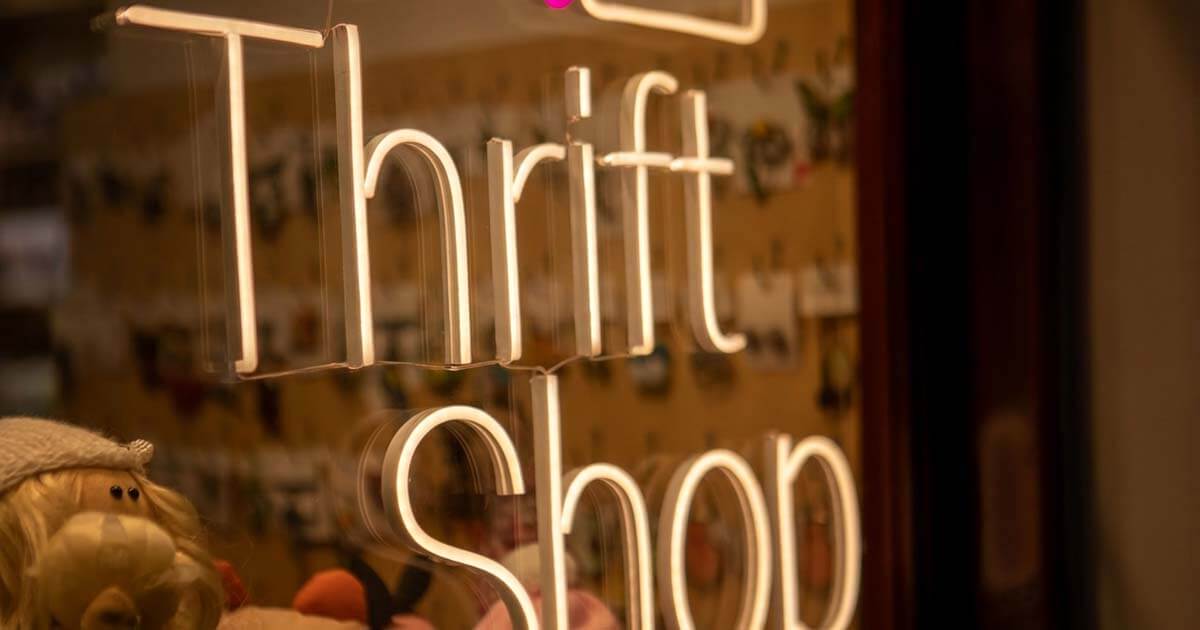
And right now? The custom neon sign is the anchor of that shift. It’s not just lighting; it’s a merchandising power move. Whether you’re riding the current “Ranch Revival” wave or leaning into deep, moody color-drenching, a custom neon sign is the difference between a store that’s browsed and a brand that’s remembered.
In this guide, we’re cutting through the fluff. You’ll learn exactly how to leverage light psychology, where to place your sign for maximum ROI (hint: it’s not just the window), and how much you actually need to spend to get that luxury look.
Phygital retail is defining 2025, and neon signs are closing the gap between online and in-store.
Shoppers arrive overwhelmed. They’re scrolling phones. Stores bombard them with screens, noise, and competing visual messages. Their brains are already overloaded before they step through your door. That’s where a neon sign works differently.
A well-designed neon sign cuts through the clutter. It’s one clear, unmissable focal point that stops the visual chaos and anchors attention exactly where you want it. Instead of fighting for attention against ten other signals, the neon sign wins because people’s eyes gravitate toward light and color first. Your sign becomes the entry point, the reason they walk in rather than scroll past.
Think about it. When a customer walks in, their eyes are darting everywhere. A neon sign acts as a visual “pin,” guiding them to high-margin areas or new collections. It’s strategic attention hacking.
The “Silent Selling” Checklist:
You might think you’re just picking a color you like, but your customers’ brains are reacting to it in ways they don’t even realize. In fact, 71% of shoppers cite store design and visual stimuli as a decisive factor in their experience.
Here’s where it gets interesting. We’re seeing a trend in late 2025 called “Juxtaposed Color Blocking,” pairing soft, earthy neutrals with zings of electric neon. This creates a psychological trigger that signals “modern” and “fresh” without overwhelming the senses.
Recent studies from 2025 have reinforced that store atmosphere, specifically lighting and color, directly impacts “dwell time.” And we know the math: Longer Dwell Time = Larger Basket Size.
You need to match the biological response to your business goal.
1. Color Temperature: Warm White (2700K)
Psychological Trigger: Relaxation, Nostalgia, Comfort
Best for: Boho boutiques, “Slow Fashion” brands, Fitting rooms (flattering)
2. Color Temperature: Cool White (6000K)
Psychological Trigger: Energy, Cleanliness, Modernity
Best for: Streetwear, Tech accessories, Sneaker walls
3. Color Temperature: Red / Pink
Psychological Trigger: Urgency, Passion, Impulse
Best for: “Sale” sections, Impulse buy zones (cash wrap)
4. Color Temperature: Deep Blue
Psychological Trigger: Trust, Calm, Logic
Best for: High-ticket items, Men’s suiting, Service counters
The “Color Drenching” Effect: A massive trend right now is painting walls, ceilings, and trim in one deep, moody hue (think oxblood or aubergine). Placing a bright, crisp neon sign against a dark, color-drenched wall creates a contrast ratio that is literally impossible for the human eye to ignore.
So, what are your options? The days of generic “Open” signs are long gone. Now, it’s about hyper-customization that fits your specific brand archetype.
One massive trend right now is logo reproduction. We’re seeing brands take their exact font files and turn them into 3D-illuminated reality. But don’t stop there. Tagline signage is huge phrases like “You Look Good” or specific brand mantras that reinforce your ethos.
Top Design Categories for 2025-2026:
Stop putting your best sign in the window. Yes, window signs attract foot traffic, but the sale happens inside. You need to place your neon sign where friction occurs, where a customer is debating a purchase.
Here is where the technical details make or break the design. The font you choose speaks volumes before the customer even reads the words.
In 2025, we are moving away from the generic “cursive” that dominated 2020. The trend is now clean serif fonts (think Vogue editorial) or chunky retro blocks. Cursive can be hard to read from a distance and even harder on a phone screen.
And color? It’s not just about preference; it’s about CRI (Color Rendering Index). You want high-CRI lighting (90+) near the clothes so the fabrics look true to life. If you use a heavy purple neon sign near your white t-shirts, they’ll look dingy. Stick to Warm White (3500K) or Neutral White (4000K) for general illumination, and save the crazy colors for signage that isn’t directly lighting the product.
Quick Font & Vibe Guide:
Price is always the elephant in the room. The good news? An LED neon sign is significantly more affordable than a traditional glass neon sign and is more durable.
You can expect to pay between $200 and $500 for a mid-range custom sign. If you want a massive statement piece or intricate logo work, you’re looking at $800 to $2,000+.
The cost isn’t arbitrary. It’s usually calculated based on the linear footage of tubing used. A complex cursive font uses more tubing than a simple block font of the same size. Also, features like UV printing (where the sign looks colored even when off) or waterproof ratings (IP65) will add to the tag.
Factors That Spike the Price:
You’ve got the psychology, the placement strategies, and the pricing. Now it’s time to execute. Don’t let this be another “idea for later.” The visual landscape of retail is moving fast, and your competitors are likely already planning their 2026 updates.
Here is your immediate action plan to get this done without the headache.
Boutique Owner’s Action Checklist:
In a world where digital dominates, the physical experience of your boutique is your greatest asset. A custom neon sign isn’t just a trend; it’s a beacon. It signals that you’re open, you’re relevant, and you have a brand identity worth paying attention to.
Whether you go for a subtle warm-white logo or a bold hot-pink quote, the key is intention. Use light to tell your story. Because when you light up your brand, you’re doing a lot more than just flipping a switch; you’re turning on the charm that turns browsers into buyers.
The technology is here. The trends are loud. The only question is: What does your brand sound like when it speaks in light?

© 2025 Crivva - Hosted by Airy Hosting Managed Website Hosting.