


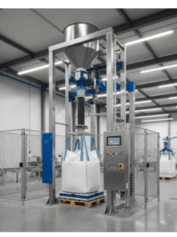
When industrial operations demand efficient bulk material packaging, investing in the right jumbo bag filling machine becomes a critical decision that impacts productivity, safety, and bottom-line profitability. These sophisticated systems, designed to handle massive volumes of powders, granules, and bulk materials, have revolutionized how industries from chemicals to agriculture manage their packaging operations.
Complementary Packaging Technologies
While jumbo bag filling machines excel for bulk packaging, comprehensive packaging operations often require multiple technologies working in concert:
A reputable manufacturer of packaging machine systems typically offers complete portfolios addressing various packaging needs. Smaller volume applications may utilize semi-automatic bagging systems or valve bag filling technology for 25-50 kg bags. The Paper valve bag filling machine represents specialized equipment for packaging powders into paper bags through valve spouts, common in construction materials, chemicals, and agricultural products where paper packaging is preferred for environmental or product-specific reasons.
Integrating jumbo bag filling systems with advanced paper valve bag filling machines creates flexible production lines capable of serving diverse customer requirements—bulk shipments in FIBCs for industrial customers and smaller packages in paper valve bags for retail or distribution channels. This flexibility maximizes market reach while optimizing packaging costs based on order size and customer preferences.
Downstream equipment including bag sewing machines, heat sealers, stretch wrapping systems, and automatic palletizers create complete packaging lines that minimize handling, protect packaged products, and prepare shipments for efficient logistics operations. Modern facilities increasingly integrate these technologies under unified control systems that coordinate operations, track production metrics, and provide data for continuous improvement initiatives.
Understanding Jumbo Bag Filling Technology
A jumbo bag filling machine, also known as a FIBC (Flexible Intermediate Bulk Container) filling system or big bag filler, represents the pinnacle of industrial packaging automation. These systems are engineered to fill large capacity bags—typically ranging from 500 kg to 2000 kg—with precision, speed, and minimal material waste. Unlike conventional packaging methods that require multiple smaller bags and extensive labor, jumbo bag filling machines streamline the entire bulk packaging process into a single, efficient operation.
The technology behind these filling systems combines mechanical engineering, pneumatic control, and advanced weighing systems to deliver consistent, accurate fills cycle after cycle. Modern jumbo bag filling machines incorporate sophisticated load cells, programmable logic controllers (PLCs), and intuitive human-machine interfaces (HMIs) that allow operators to manage multiple parameters including fill speed, target weight, and material flow characteristics.
Core Components and Operating Principles
The anatomy of a jumbo bag filling machine consists of several integrated subsystems working in harmony. At the foundation lies the support frame structure, typically constructed from robust stainless steel or carbon steel with powder coating, designed to withstand the dynamic forces generated during filling operations. This frame supports the bag inflation system, which uses compressed air to properly position and tension the FIBC before filling begins.
The filling spout connection mechanism represents a critical interface between machine and bag. Various designs exist including pneumatic clamps, mechanical clamping rings, and inflatable sealing systems, each offering different advantages depending on application requirements and bag specifications. The spout connection must create a dust-tight seal while accommodating different bag designs and spout lengths.
Material delivery systems vary based on product characteristics. Gravity-fed systems work effectively for free-flowing granular materials like grains, pellets, and crystals. Pneumatic conveying systems handle fine powders and materials requiring gentle handling, using controlled air pressure to transport materials through pipelines to the filling station. Auger-based systems provide precise metering for difficult-flowing powders and materials requiring controlled densification.
The weighing system forms the intelligence center of any jumbo bag filling machine. High-precision load cells mounted strategically on the support frame continuously measure accumulated weight, sending data to the control system which modulates material flow to achieve target weight specifications. Advanced systems employ multi-stage filling algorithms: rapid filling at high flow rates until approaching target weight, followed by dribble filling at reduced rates to achieve precise final weights within tight tolerances—often ±0.1% of target weight.
Types of Jumbo Bag Filling Systems
Industrial operations can choose from several jumbo bag filling machine configurations, each optimized for specific operational requirements:
Open-Mouth Filling Systems represent the most common configuration, designed for standard FIBC bags with open top construction. These systems feature adjustable height bag hanging mechanisms, allowing accommodation of various bag sizes from 500 kg to 2500 kg capacity. The open architecture facilitates easy bag attachment and removal, making them ideal for high-volume operations requiring quick changeovers.
Closed-Loop Filling Systems integrate comprehensive dust collection and containment features, essential for handling fine powders, toxic materials, or products requiring contamination-free environments. These systems incorporate inflatable sealing collars, integrated dust extraction ports, and optional clean room compatibility for pharmaceutical and food grade applications.
Semi-Automatic Filling Machines balance automation with operator involvement, requiring manual bag attachment and removal while automating the filling and weighing processes. This configuration suits medium-volume operations where full automation investment may not be justified, or where product variety requires frequent manual adjustments.
Fully Automatic Filling Lines represent comprehensive packaging solutions integrating automatic bag placement, filling, weighing, discharge, and removal systems. These high-capacity lines can process 40-60 bags per hour with minimal operator intervention, making them ideal for dedicated product lines in high-volume manufacturing facilities.
Applications Across Industries
The versatility of jumbo bag filling machines extends across diverse industrial sectors, each with unique material characteristics and packaging requirements:
Chemical and Petrochemical Industries rely heavily on big bag filling systems to package plastic resins, polymer pellets, chemical powders, and industrial additives. The equipment handles materials ranging from fine titanium dioxide powder to coarse plastic granules, with modifications for hazardous material handling including explosion-proof electrical systems and nitrogen purging capabilities.
Agriculture and Food Processing operations utilize these systems for grains, seeds, flour, sugar, animal feed, and food ingredients. Food-grade construction featuring stainless steel contact surfaces, sanitary design principles, and easy cleanability ensure compliance with food safety regulations. Special configurations accommodate products requiring gentle handling to prevent grain damage or maintain specific bulk densities.
Construction Materials including cement, sand, aggregate, and specialty building products benefit from robust filling systems designed to withstand abrasive materials and harsh production environments. Heavy-duty construction and reinforced wear surfaces extend equipment lifespan in these demanding applications.
Mining and Minerals operations package ore concentrates, industrial minerals, silica sand, and metal powders using specialized big bag fillers equipped with enhanced dust collection systems and wear-resistant components. These systems often incorporate material conditioning features to ensure consistent flow characteristics of challenging minerals.
Pharmaceutical and Specialty Chemicals require containment-focused filling systems meeting stringent hygiene and safety standards. Clean room compatible designs, comprehensive documentation, and validation support facilitate regulatory compliance in these highly regulated industries.
Key Advantages of Modern Jumbo Bag Filling Technology
Investing in advanced jumbo bag filling equipment delivers compelling operational and financial benefits:
Labor Efficiency improves dramatically compared to manual filling or small bag operations. A single operator can manage a semi-automatic system that would otherwise require multiple workers, while fully automatic lines operate with minimal supervision. This labor reduction translates directly to reduced operational costs and improved safety by minimizing worker exposure to potentially hazardous materials.
Material Handling Economics favor bulk packaging for appropriate applications. Reducing packaging material costs per unit weight, eliminating multiple handling steps, and streamlining logistics operations all contribute to improved cost structures. Customers also benefit from easier handling and reduced packaging waste disposal.
Accuracy and Consistency achieved through precision weighing systems minimize product giveaway—the excess material included to ensure bags meet minimum weight requirements. With typical accuracies of ±0.1% to ±0.5%, modern systems virtually eliminate costly overfilling while ensuring regulatory compliance with package weight declarations.
Throughput Capacity scales efficiently with automated systems. While manual filling might achieve 5-10 bags per hour, semi-automatic systems reach 15-25 bags hourly, and fully automatic lines process 40-60+ bags per hour. This increased throughput translates to reduced production time and improved asset utilization.
Workplace Safety improves through automation and proper dust containment. Reducing manual handling of heavy materials, eliminating exposure to airborne dusts, and incorporating proper safeguarding create safer working environments. Modern machines include comprehensive safety features including emergency stops, safety interlocks, and guarding that meet international safety standards.
Product Quality Protection results from controlled filling processes that minimize material degradation, reduce contamination risks, and maintain consistent bulk densities. This is particularly critical for products sensitive to moisture, oxidation, or physical damage during handling.
Conclusion
Selecting and implementing the right jumbo bag filling machine represents a strategic decision with far-reaching implications for operational efficiency, product quality, workplace safety, and competitive positioning. These sophisticated systems have evolved from simple gravity-fed fillers into intelligent, integrated packaging solutions incorporating precision weighing, automated controls, comprehensive safety features, and data connectivity that aligns with modern manufacturing requirements.
Success requires careful evaluation of material characteristics, production requirements, regulatory environment, and operational philosophy to specify equipment optimally matched to your unique needs. Partnering with experienced equipment manufacturers who understand your industry provides access to proven technology, application expertise, and ongoing support that maximizes investment value.
Whether packaging chemicals, agricultural products, construction materials, or industrial commodities, modern jumbo bag filling technology delivers the accuracy, reliability, and throughput essential for competitive operations. As industries continue evolving toward automation, sustainability, and data-driven optimization, these systems will remain central to efficient bulk material packaging strategies. The combination of proven mechanical engineering, advanced control systems, and continuous innovation ensures jumbo bag filling machines will continue meeting the demanding requirements of industrial packaging operations for years to come.

© 2025 Crivva - Hosted by Airy Hosting Managed Website Hosting.