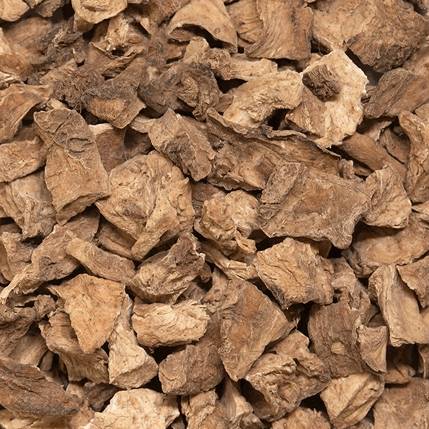
Chicory roots have traveled an extraordinary journey from their traditional use in ancient herbal practices to becoming a valuable ingredient in modern food, health, and industrial applications. Once known mainly as a coffee substitute and digestive aid, chicory root is now recognized globally for its nutritional benefits, functional properties, and versatility. As consumers shift toward natural, plant-based, and clean-label products, chicory roots are gaining renewed attention for their ability to meet the evolving demands of the food and wellness industries.
The use of chicory roots dates back centuries. In ancient Egypt and later in Europe, chicory was valued for its medicinal properties and its role in supporting digestive health. During times when coffee was scarce or expensive, roasted chicory root became a popular alternative due to its rich, coffee-like flavor.
This traditional usage laid the foundation for modern innovation. What was once a simple herbal ingredient is now processed using advanced technology to extract high-value components that are used in a wide range of applications.
One of the main reasons for the growing popularity of chicory roots is their impressive nutritional profile. Chicory root is a natural source of inulin, a type of soluble dietary fiber that offers numerous health benefits.
Inulin plays a key role in:
Because of these benefits, chicory root has become an essential ingredient in functional foods designed for health-conscious consumers.
Today, chicory root is widely used in the food and beverage sector due to its versatility and natural origin. It is commonly processed into powder, roasted granules, or liquid extracts, each serving a different purpose.
In the food industry, chicory root is used in:
Its mild sweetness and ability to improve texture make it a preferred ingredient in reduced-sugar and high-fiber formulations.
Modern consumers are increasingly reading labels and choosing products made with natural and recognizable ingredients. Chicory root fits perfectly into the clean-label movement because it is plant-based, minimally processed, and free from artificial additives.
It is often used as a natural fat replacer, sugar substitute, or fiber enhancer without compromising taste or texture. This makes it highly valuable for manufacturers developing healthier versions of everyday food products.
The rapid growth of plant-based diets has created a demand for ingredients that offer both nutritional value and functional performance. Chicory root contributes to this segment by providing dietary fiber, improving mouthfeel, and enhancing the nutritional profile of plant-based foods.
In functional nutrition, chicory root is used to create products that support digestive health and overall well-being. Its prebiotic properties make it a key component in formulations aimed at improving gut microbiota balance.
While chicory root is widely known for its role in the food industry, its applications extend beyond nutrition. It is used in the pharmaceutical sector for dietary supplements and digestive health formulations. It also finds use in animal nutrition as a natural fiber source that supports gut health.
In addition, chicory derivatives are being explored for their potential in biodegradable materials and other sustainable industrial solutions, aligning with the global push toward environmentally friendly alternatives.
Chicory is a resilient crop that can grow in a variety of climates with relatively low agricultural input. Its deep root system improves soil structure and contributes to sustainable farming practices.
Because it requires fewer resources compared to many other crops, chicory cultivation supports environmentally responsible agriculture. This sustainability factor adds to its appeal in a market that increasingly values eco-friendly sourcing.
Modern processing techniques have significantly expanded the possibilities for chicory root applications. Advanced drying, roasting, and extraction methods allow manufacturers to preserve its nutritional value while creating ingredients tailored for specific uses.
These innovations have made it possible to produce high-quality inulin and chicory-based fibers that can be easily incorporated into a wide range of products. Companies such as Mark & Aira Trading LLC recognize the growing global demand for chicory root–based ingredients that meet modern quality and performance standards.
The global market for chicory root is expanding steadily due to the increasing demand for natural, functional, and plant-based ingredients. Food manufacturers, health brands, and nutraceutical companies are actively incorporating chicory-derived components into their product lines.
This growth is driven by:
As a result, chicory root is no longer a niche ingredient but a mainstream solution for modern food innovation.
Despite its growing popularity, the chicory root industry faces certain challenges such as supply chain management, quality consistency, and consumer awareness in emerging markets. However, ongoing research and technological development are expected to address these issues.
The future of chicory root lies in its ability to adapt to new applications. With continuous innovation, it has the potential to play a major role in personalized nutrition, functional beverages, and sustainable food production.
Conclusion
Chicory roots represent a perfect blend of tradition and innovation. From their historical use as a medicinal herb and coffee substitute to their modern role as a functional food ingredient, they have proven their versatility and long-term value. Their rich nutritional profile, prebiotic properties, and natural origin make them an ideal choice for today’s health-conscious consumers and forward-thinking manufacturers.
As the demand for clean-label, plant-based, and high-fiber products continues to grow, chicory roots are set to become even more important in the global food and wellness landscape. Their contribution to sustainable agriculture and environmentally friendly product development further strengthens their position as a future-ready ingredient.
By bridging the gap between traditional knowledge and modern technology, chicory roots are not just keeping pace with industry trends — they are helping shape the future of functional and innovative food solutions.

© 2025 Crivva - Hosted by Airy Hosting Managed Website Hosting.