


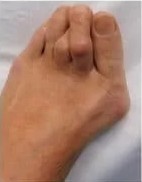
If you’ve started to notice a lump forming at the base of your big toe, or you find yourself avoiding certain shoes because they rub or cause pain, there’s a good chance you’re dealing with a bunion. It might seem like a small issue at first, but over time it can change how you walk, how your shoes fit, and even how confident you feel on your feet.
At Foot Focus Podiatry, Dr Brent Radford has helped many people manage and correct bunion pain through a mix of evidence-based care, personal experience, and a genuine understanding of how much foot health affects everyday life. If you’re searching for trusted bunion treatment in Perth, this guide explains what causes bunions, how they’re treated, and what you can do to prevent them from getting worse.
A bunion, or hallux valgus, is a bony bump that forms at the base of the big toe joint. Over time, the big toe drifts inward toward the second toe, forcing the joint outward. This creates pressure, swelling, and pain — especially when wearing shoes or standing for long periods.
Bunions don’t usually appear overnight. They develop gradually as the structure of the foot changes. In some people, the deformity stops progressing after a point, while in others it continues to worsen unless properly managed.
Although bunions are common in adults, they can also appear in teenagers, particularly those with inherited foot shapes or loose joints.
There isn’t a single cause. Bunions form due to a combination of genetic, structural, and lifestyle factors, such as:
Genetics: If parents or grandparents had bunions, there’s a higher chance you’ll develop them too.
Foot mechanics: Flat feet, fallen arches, or hypermobile joints can shift how weight is distributed across the foot.
Footwear: Narrow or high-heeled shoes squeeze the toes together, pushing the big toe inward.
Arthritis: Conditions like rheumatoid arthritis can weaken the joints and lead to bunion formation.
Injury or trauma: Past foot injuries can alter alignment and increase stress on the big toe joint.
Dr Brent Radford begins every assessment by identifying which of these factors is influencing your bunion in Perth. That understanding shapes the right treatment plan — one that works for your unique feet, not just the visible bump.
In the early stages, a bunion may simply look like a small bump. But as it progresses, symptoms tend to increase in frequency and severity. Common signs include:
Pain or tenderness around the big toe joint
Swelling, redness, or warmth over the bump
A visible tilt of the big toe toward the second toe
Restricted joint movement
Corns or calluses where the toes overlap
Difficulty finding shoes that fit comfortably
If these sound familiar, don’t ignore them. Bunions rarely get better on their own, but the right podiatric care can slow or stop progression.
At Foot Focus Podiatry, Dr Brent Radford focuses on conservative treatments first. Many people can manage their bunion pain effectively without surgery if they address it early.
1. Footwear modifications
Switching to shoes with a wider toe box and soft, flexible materials can immediately reduce pressure on the bunion. Avoid narrow, pointed styles that crowd your toes.
2. Custom orthotics
Orthotics are one of the most effective ways to correct underlying foot imbalances. Custom insoles distribute pressure evenly, support the arch, and improve alignment, helping relieve stress on the big toe joint.
3. Padding and strapping
Protective padding can reduce friction, while strapping helps guide the toe into a more natural position. These small adjustments can make daily walking more comfortable.
4. Exercise and stretching
Gentle stretches for the toes and strengthening exercises for foot muscles help maintain joint mobility and stability. Dr Brent Radford often teaches patients simple routines they can do at home.
5. Anti-inflammatory care
Ice packs, foot soaks, or topical anti-inflammatory creams can calm swelling and soreness, especially after long days on your feet.
When used consistently, these treatments can keep you active and delay or avoid the need for surgery altogether.
If pain persists or the bunion becomes severe, surgery may be the best option. Bunion surgery, or bunionectomy, realigns the bones, tendons, and ligaments to restore normal joint function.
Dr Brent Radford ensures that patients understand all aspects before moving forward — from the type of procedure to recovery expectations. Some procedures are minimally invasive, while others involve bone realignment for more advanced deformities.
Recovery can vary, but most patients can return to light walking within a few weeks and resume regular activity within a few months. Ongoing podiatry support after surgery is key to preventing recurrence and ensuring proper healing.
When it comes to bunion treatment in Perth, experience and individual attention matter. At Foot Focus Podiatry, every treatment plan starts with a detailed gait and posture assessment using advanced digital tools.
Patients appreciate the clinic’s balance of professional care and personal connection. Dr Brent Radford’s approach is not just about fixing a symptom — it’s about improving long-term foot function so you can stay active, comfortable, and confident.
What sets the clinic apart:
Genuine focus on preventative and holistic care
Tailored orthotic design and footwear guidance
Clear communication about treatment options and expectations
Follow-up support to monitor progress
This level of care ensures patients feel informed and supported every step of the way.
Even after successful treatment, the way you use and care for your feet plays a huge role in prevention. Simple daily habits make a lasting difference:
Choose supportive shoes: Your toes should have room to spread naturally.
Maintain a healthy weight: Less strain on your feet means less joint stress.
Stretch regularly: Toe and arch exercises keep your feet flexible.
Replace worn-out shoes: Old footwear can lose shape and support.
Get routine check-ups: A podiatrist can spot alignment changes before they cause discomfort.
By staying proactive, you can protect your feet from recurring problems and maintain your results long term.
Living with bunion pain can make even simple activities feel difficult. But with professional care and the right treatment plan, you can get back to walking comfortably again.
If you’re dealing with a bunion in Perth, the team at Foot Focus Podiatry is here to help. Dr Brent Radford brings years of clinical experience and genuine care to every consultation, taking time to understand your needs and explain all available options clearly.
You don’t have to put up with constant soreness or limited shoe choices. Book an appointment today and take the first step toward pain-free movement.

© 2025 Crivva - Hosted by Airy Hosting Managed Website Hosting.