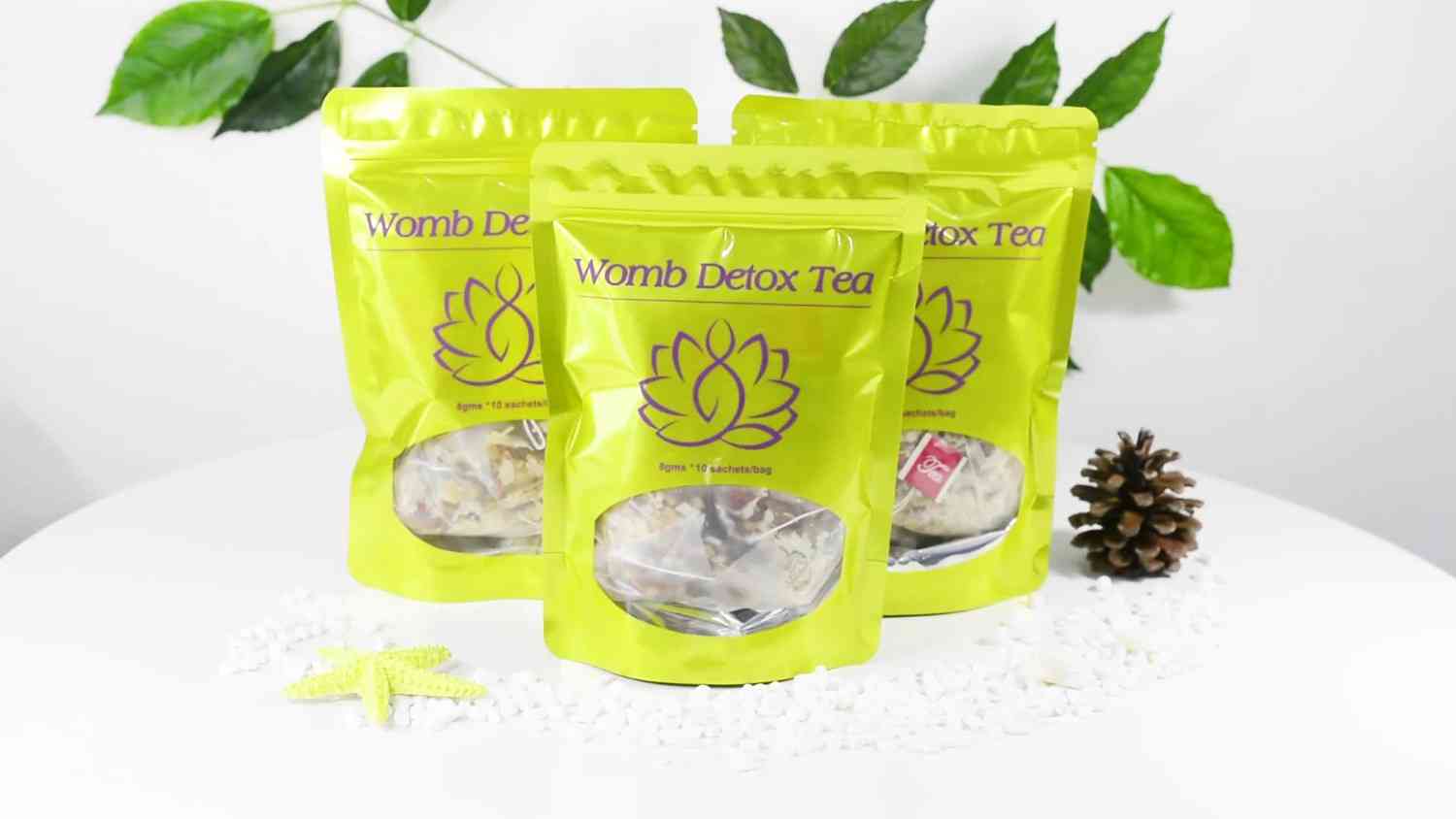
In today’s wellness-focused world, herbal teas and natural remedies have become increasingly popular. Among them, womb detox tea has gained significant attention, especially among women seeking a soothing, herbal blend for relaxation, comfort, and enhanced overall wellness. While many people incorporate herbal teas into their healthy lifestyle, it’s important to understand what “womb detox” really means, how these teas work, and what they can—and cannot—do.
This expanded guest post explores the concept behind womb detox teas, commonly used ingredients, potential wellness benefits, myths to avoid, and safe practices every woman should follow before adding these herbal blends to her routine.
The term womb detox tea generally refers to herbal blends marketed to support menstrual comfort, relaxation, and reproductive wellness. These teas often contain botanicals like ginger, chamomile, raspberry leaf, turmeric, fennel, cinnamon, or other herbs known for their soothing effects.
However, the word detox can create confusion. Scientifically, the human body already has a robust detoxification system—primarily involving the liver, kidneys, and digestive organs. These organs work continuously to filter toxins and maintain internal balance.
Therefore, no tea can literally detox or “cleanse” the womb. Instead, womb detox teas may support general wellness and emotional comfort. They may help with:
While herbal teas can be deeply soothing, they should never be viewed as a substitute for medical treatment or professional healthcare advice.
Though ingredients vary across brands, many womb detox teas include herbs traditionally used for women’s wellness. Here are some commonly used botanicals:
A popular herb often associated with traditional women’s wellness. It is believed to support relaxation and comfort during menstrual cycles.
Known for its warming nature, ginger may support general digestive comfort and help the body feel soothed and relaxed.
Fennel has a mild, naturally sweet taste and is often used for digestive support and calming sensations.
Famously used for stress relief and improved sleep, chamomile may help promote relaxation and emotional balance.
This bright golden spice contains curcumin, widely recognized for its general wellness benefits when consumed as part of a balanced lifestyle.
Used for warmth and flavor, cinnamon adds comfort to herbal tea blends and complements other ingredients.
Some blends include mint for refreshing flavor and a cooling sensation that helps balance heavier herbs.
These ingredients support relaxation and comfort, but they do not detoxify the womb.
While womb detox teas cannot cleanse reproductive organs, they may promote general well-being. Here are some potential benefits:
Herbs like chamomile and raspberry leaf may help calm the mind and reduce tension, making these teas a soothing part of a nighttime routine.
Warm beverages, especially herbal teas, can help soothe the body. Many women feel more comfortable and relaxed during their menstrual cycle after drinking warm, calming tea.
Many people struggle to meet their daily water intake. Adding herbal tea provides a flavorful, enjoyable way to stay hydrated.
For many women, sipping herbal tea becomes an emotional and mental ritual—an act of self-care that creates a sense of peace, grounding, and stability.
A daily tea routine can help women slow down and reconnect with their body’s needs, cycles, and inner signals.
Again, these benefits are part of general well-being—not medical effects.
Because womb detox teas are widely marketed online, several myths have emerged. It’s important to differentiate between wellness support and medical claims.
No herbal tea can detox or cleanse the womb. The body’s internal organs handle detoxification naturally.
Herbal teas cannot diagnose, treat, or cure health issues. Anyone experiencing pain, irregular periods, infections, or reproductive concerns should consult a licensed healthcare professional.
There is no scientific evidence that detox teas improve fertility. Fertility is influenced by many factors including age, hormones, lifestyle, and underlying medical conditions.
Some herbs can interact with medications, affect hormones, or pose risks to pregnant or breastfeeding women. Always check ingredients and seek medical guidance if unsure.
If you choose to incorporate womb detox tea into your routine, follow these safe guidelines:
Womb detox tea is a blend of herbs intended for women’s relaxation and wellness. It does not detoxify the womb or perform medical functions.
No. Herbal teas should not replace medical care. Always consult a professional for reproductive or hormonal concerns.
Many herbal teas are safe in moderation. However, safety varies based on individual health conditions and ingredients. Consulting a healthcare provider is recommended.
Pregnant or breastfeeding women should avoid most herbal blends unless specifically approved by their doctor.
Many women enjoy it in the evening for relaxation or during their menstrual cycle for warmth and comfort.
While not a medical solution, herbs like chamomile or ginger may help create a calming and relaxing experience.
This article is for general informational and wellness purposes only. Organic fertility tea for men does not detoxify the womb, diagnose health conditions, treat medical problems, or replace professional healthcare. Always consult a qualified medical provider before using herbal products, especially if you are pregnant, breastfeeding, or have underlying health concerns. Individual wellness experiences may vary.

© 2025 Crivva - Hosted by Airy Hosting Managed Website Hosting.