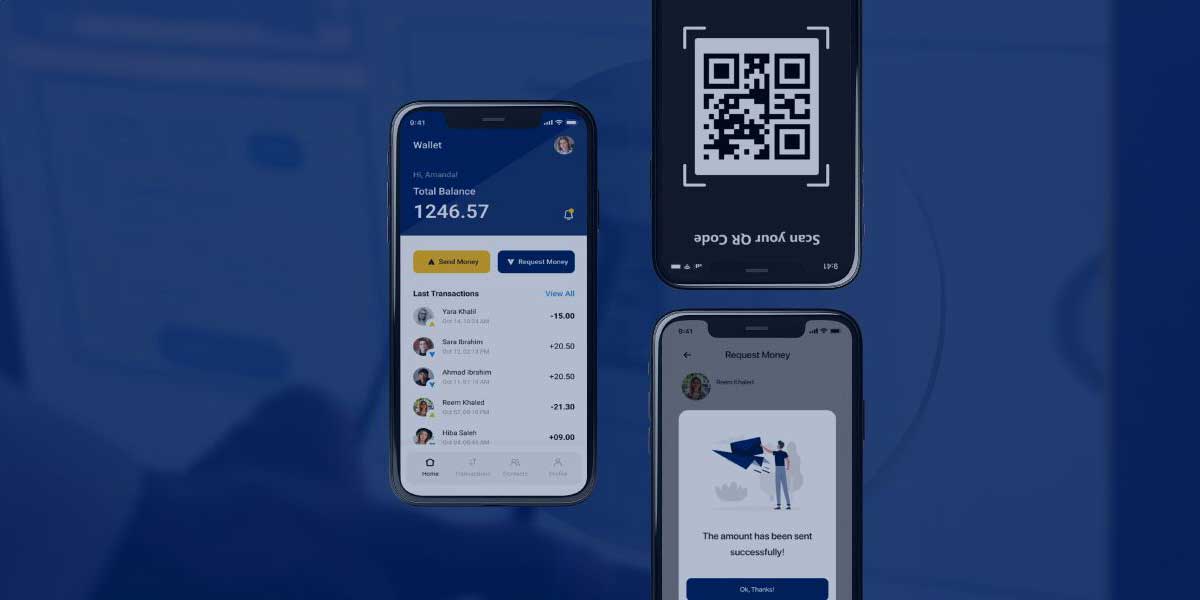



In recent years, a significant shift has occurred in the digital landscape as users increasingly delete multiple standalone apps in favor of multifunctional super apps. This transition reflects a growing demand for convenience, simplicity, and enhanced user experiences. As individuals seek to streamline their digital lives, super apps—integrating various services such as messaging, e-commerce, and social networking—have emerged as a compelling solution. This article explores the reasons behind this trend, examining factors such as user preferences, data privacy concerns, economic considerations, and the influence of social connectivity, ultimately shedding light on the future implications for app developers and businesses navigating this evolving market.
Super apps are like the Swiss Army knives of the digital world—packed with a plethora of features that cater to your every need. Whether it’s messaging, payments, shopping, or even dating, these multitasking marvels do it all under one roof. They offer a seamless experience, allowing users to switch from task to task without the hassle of juggling multiple apps. It’s like having a one-stop shop where you can get your groceries, grab coffee, and mail a letter—all without leaving the store!
The super app playground features giants like WeChat, Grab, and Gojek, who have taken the concept by storm. These apps have managed to integrate social media, e-commerce, and even financial services into one user-friendly interface. They dominate in their respective markets by not just meeting user demands but also anticipating them. These players aren’t just leading—they’re reshaping how we interact with technology, transforming tasks that used to require multiple apps into a single, glorious experience.
Traditional apps are like those outdated flip phones—great in their time but now, let’s be honest, a bit cumbersome. Each app serves a single function, requiring users to switch around like a digital DJ. On the other hand, super apps are all about integration and efficiency. They bundle various services into a cohesive platform, making it easier to do everything from ordering dinner to scheduling a doctor’s appointment without needing to pull out the app-switching playbook. In the battle of convenience, super apps are clearly winning.
In today’s fast-paced world, users crave simplicity. The less time spent navigating through a maze of apps, the better. Super apps cater to this desire by providing everything in one place. They streamline functionality and reduce the cognitive load, allowing users to focus on what really matters—like deciding what to binge-watch next! Users are ditching the clutter for efficiency, and super apps are more than happy to step in as the digital organization champions.
Managing multiple apps is like trying to keep track of all your remote controls—frustrating and often leads to the dreaded “What did I watch last?” moment. With every app comes a new login, a different layout, and a separate set of notifications. It can lead to app fatigue, where users feel overwhelmed and less inclined to engage. Super apps swoop in to save the day by unifying experiences, simplifying the user journey, and reducing the need for a digital gym to work out your multitasking skills.
When users find their favorite functionalities all in one place, engagement skyrockets. Super apps tend to see higher retention rates because they foster habit-building within their all-in-one ecosystems. Users are more likely to return to an app that serves multiple purposes rather than jump from one app to another, like a digital frog. The ease of access, along with a satisfying user experience, keeps users coming back for more—because who wouldn’t want to have their cake and eat it too?
Ah, the classic dilemma: to pay or not to pay? Super apps often offer enticing subscription models that promise a treasure trove of features, while free apps dangle the carrot of zero cost. However, users are increasingly realizing that a few bucks a month for a super app may save them in the long run by eliminating the need for multiple subscriptions to other apps. It’s like ditching that overpriced coffee shop for a place that serves quality brews without breaking the bank.
When it comes to value propositions, super apps are the flashy salespeople at the digital marketplace. They’re not just offering you one feature; they’re bundling services into a delightful package that feels like a deal you have to take. From shopping to banking to socializing, all these services under one roof make users feel smarter for choosing the all-in-one solution, rather than piecing together a patchwork of apps that seem more like a headache than a helper.
If we did a price comparison, super apps would likely win the popularity contest. With many users now conducting a mini-cost analysis of their app usage, it’s become clear that having one app that does it all is often more economical than subscribing to a suite of separate applications. So, while it may feel like another subscription to add to the list, the long-term savings and convenience of a super app have users feeling like they’ve hit the jackpot.
For traditional app developers, the rise of super apps is like finding out that your beloved local diner now has a five-star restaurant across the street. It’s challenging, to say the least. These developers must rethink their strategies, as users increasingly opt for integrated solutions. It’s no longer just about creating a popular app; it’s about keeping it relevant in a market that favors convenience over specialization.
Conversely, the super app phenomenon is like a playground full of opportunities for innovation. Businesses can pivot and adapt, embracing the trend to build comprehensive platforms that cater to a multitude of user needs. By leveraging user data and enhancing functionality, companies can create experiences that draw users in like moths to a flame—especially if that flame is promising greater connectivity and convenience.
For businesses staring into the super app abyss, the key is adaptation. Companies should consider forming partnerships, integrating services, and utilizing data analytics to understand user behavior better. Embracing a flexible development strategy that allows for quick adjustments in response to user feedback will be crucial. After all, nobody wants to be the last app standing when everyone else has fused into a super app phenomenon!As the trend towards super apps continues to gain momentum, it is clear that users are prioritizing convenience, security, and a simplified digital experience. This shift not only reshapes individual user habits but also poses challenges and opportunities for developers and businesses alike. By understanding the factors driving this change, stakeholders can better position themselves to meet the evolving needs of consumers in an increasingly interconnected digital world. The future will undoubtedly see more innovation in app design, as the demand for comprehensive solutions that enhance daily life only grows.
Super apps are multifunctional platforms that integrate various services, such as messaging, social networking, e-commerce, and more, into a single application. Unlike traditional apps that serve a specific purpose, super apps offer a comprehensive user experience, allowing users to access multiple functionalities without switching between different applications.
Users are motivated by the desire for convenience and simplicity. By consolidating various services into one app, they can minimize the clutter on their devices and streamline their digital interactions, making their daily tasks easier and more efficient.
With increasing awareness of data privacy issues, users are more cautious about the apps they choose to use. Super apps that prioritize user security and offer transparent data handling practices can build trust and encourage adoption, as users seek platforms that safeguard their personal information.
The rise of super apps presents both challenges and opportunities for developers and businesses. Traditional app developers may need to adapt by integrating more features into their offerings or collaborating with super app platforms. Meanwhile, businesses can leverage super apps to reach a wider audience and enhance customer engagement through integrated services.

© 2025 Crivva - Hosted by Airy Hosting Managed Website Hosting.