


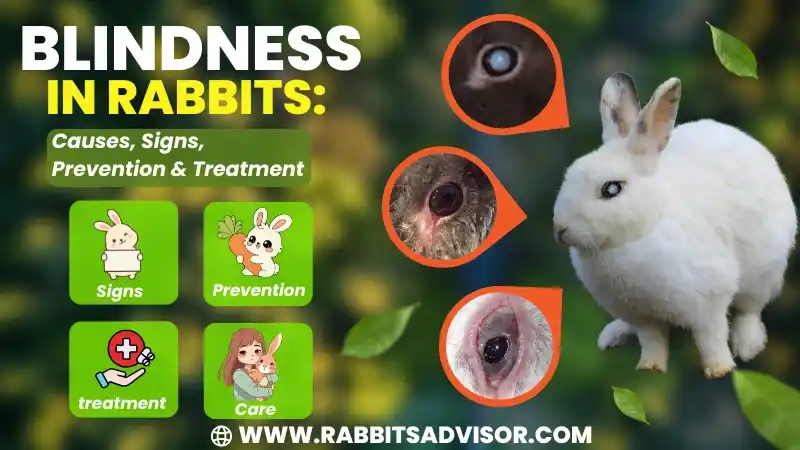
There is no doubt that rabbits are adorable, gentle, and loving animals, which makes them wonderful pets. However, behind their playful and calm nature, rabbits require proper care, attention, and a safe environment to stay healthy. Like other pets, they are prone to various health issues, including problems related to their eyes.
One common concern among rabbit owners is whether Rabbits Can Go Blind. The answer is yes, rabbits can lose their vision due to several reasons. Understanding these causes, signs, and preventive measures can help you provide better care for your furry companion.
Blindness in rabbits refers to partial or complete loss of vision. This condition can occur suddenly due to injury or infection, or it can develop gradually over time due to aging or underlying health issues.
Some rabbits are born blind, while others lose their eyesight later in life. Rabbits naturally have wide vision because their eyes are located on the sides of their heads. This allows them to detect predators easily. However, they also have small blind spots directly in front of their nose and behind their head.
When rabbits lose their vision, they rely more on their other senses such as smell, hearing, and memory to navigate their surroundings.
Rabbits have large, sensitive eyes, making them more vulnerable to injuries and infections. There are several common causes that can lead to blindness in rabbits.
Foreign objects such as hay, dust, or small particles can easily enter a rabbit’s eyes. Because of their large eye surface, even tiny debris can cause irritation, scratches, or infection. If not treated promptly, this can lead to serious damage and vision loss.
An eye abscess occurs when an infection forms due to a wound, bite, or scratch near the eye. This often appears as a swelling or lump under or around the eye. If untreated, the infection can spread and affect vision.
Eye ulcers occur when the cornea, the clear outer layer of the eye, becomes damaged. This may happen due to hay scratches or injuries. Rabbits with ulcers often keep their eyes closed, rub them frequently, or show signs of pain. Severe ulcers can lead to permanent vision loss.
Conjunctivitis, also known as pink eye, is a common condition in rabbits. It causes redness, swelling, and discharge from the eyes. This condition can be caused by poor hygiene, dust, or bacterial infections. If left untreated, it can lead to more serious complications.
This is a rare but severe condition where the eye is pushed out of its socket. It usually happens due to major trauma, such as an attack by another animal or extreme pressure. In most cases, this leads to permanent blindness.
Iris prolapse occurs when the colored part of the eye protrudes through a wound. Although uncommon, it is a serious condition and requires immediate veterinary attention.
Watery or runny eyes are often a sign of an underlying problem. Causes may include allergies, irritants, blocked tear ducts, or dental issues such as overgrown teeth. If untreated, the constant moisture can irritate the skin around the eyes and lead to infections.
Cataracts are common in older rabbits and appear as a cloudy or white layer over the eye lens. This blocks light from entering the eye, leading to reduced vision or blindness. While rabbits can adapt to cataracts, surgery is rarely performed due to risks and cost.
Glaucoma is caused by increased pressure inside the eye due to improper fluid drainage. This condition can lead to swelling, pain, and eventual vision loss. Though rare in rabbits, it requires immediate treatment with medication.
This occurs when an abscess forms behind the eye, causing it to bulge outward. It is usually caused by infection or dental problems. In severe cases, surgical removal of the eye may be required.
Myxomatosis is a serious viral disease that affects rabbits. Early symptoms include swollen eyes, discharge, and inflammation. If not treated quickly, it can become life-threatening and may lead to blindness.
Changes in eye color, spots, or unusual growths can sometimes indicate tumors. If you notice any unusual changes in your rabbit’s eyes, immediate veterinary consultation is necessary.
Recognizing early signs of vision loss can help prevent further damage. Some common signs include:
If you notice any of these symptoms, it is important to consult a veterinarian as soon as possible.
A veterinarian will examine your rabbit’s eyes using specialized tools and may perform tests to identify the exact cause of the problem. Early diagnosis plays a key role in preventing permanent damage.
Treatment depends on the condition and may include:
Always follow your veterinarian’s advice and avoid using over-the-counter medications without proper guidance.
While not all eye problems can be prevented, you can take several steps to reduce the risk:
Good hygiene and proper care can significantly lower the chances of eye infections and injuries.
Yes, rabbits are born with their eyes closed. Baby rabbits usually open their eyes after 10 to 12 days. During this early stage, it is difficult to determine if they are blind.
In rare cases, rabbits may be born with vision defects or may not develop normal eyesight as they grow. Regular observation and veterinary care can help detect such issues early.
Even if a Rabbit becomes completely blind, it can still live a happy and comfortable life. Rabbits adapt very well using their sense of smell and hearing.
Here are some tips to care for a blind rabbit:
With patience and proper care, blind rabbits can enjoy a good quality of life.
Rabbits can go blind due to various reasons such as infections, injuries, aging, or diseases. While some causes are unavoidable, many can be managed or prevented with proper care and early treatment.
As a responsible rabbit owner, it is important to monitor your pet’s eye health regularly and seek veterinary help when needed. With the right care, even blind rabbits can live happy, healthy, and fulfilling lives.

© 2025 Crivva - Hosted by Airy Hosting Managed Website Hosting.