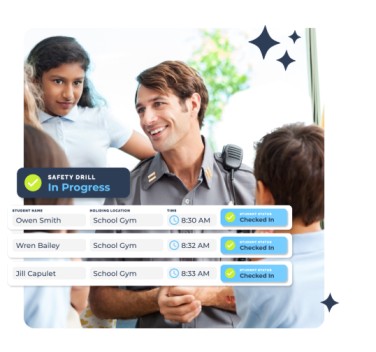
School safety has become one of the most critical priorities for administrators, teachers, and parents alike. From severe weather and medical emergencies to lockdown situations and transportation disruptions, schools must be prepared to communicate quickly and clearly. An emergency alert system for schools plays a central role in ensuring timely communication during critical events.
In today’s digital age, traditional methods like PA announcements and phone trees are no longer enough. Schools require integrated platforms that provide real-time alerts, automated messaging, and centralized communication. When paired with tools like student attendance management software, schools gain better visibility, faster response times, and stronger accountability.
This blog explores what an emergency alert system for schools is, why it’s essential, how it works, and how it integrates with broader school safety technology.
An emergency alert system for schools is a centralized communication platform designed to instantly notify staff, students, parents, and emergency responders during critical incidents. These systems use multiple communication channels, including:
SMS text messages
Email alerts
Mobile app push notifications
Automated voice calls
Desktop and classroom alerts
The goal is simple: deliver accurate information to the right people at the right time.
Unlike general communication tools, emergency alert systems are built for urgency. They prioritize speed, clarity, and reliability during high-stress situations.
In emergencies, every second matters. Whether it’s a lockdown, fire drill, severe weather event, or medical issue, delays in communication can increase risk. A robust emergency alert system for schools ensures:
Instant mass notifications
Pre-configured emergency templates
One-touch alert activation
Automated escalation procedures
Quick communication reduces confusion and helps maintain order during high-pressure situations.
People respond differently to communication channels. Some check emails, others respond to text messages, and many rely on mobile app notifications. A comprehensive system ensures that messages reach recipients through multiple channels simultaneously, increasing visibility and response rates.
Teachers and staff require specific instructions during emergencies. An advanced system allows administrators to send role-based alerts. For example:
Lock classroom doors
Move to designated safe zones
Account for students immediately
This structured communication enhances operational coordination.
An emergency alert system for schools is designed to address a wide range of situations, including:
Lockdowns
Weather-related closures
Fire alarms
Medical emergencies
Bus delays
Evacuations
Threat assessments
Utility failures
By having pre-set emergency categories, schools can quickly activate the appropriate protocol without losing valuable time.
When selecting an emergency alert system for schools, administrators should evaluate the following features:
The system should send alerts instantly across all selected channels.
Some emergencies require confirmation. Advanced platforms allow recipients to respond, confirm safety, or provide updates.
Integration with student attendance management software ensures administrators know exactly who is on campus at any given moment.
After an incident, detailed logs and reports help with compliance, audits, and internal reviews.
Administrators should be able to activate alerts from their phones, ensuring mobility during emergencies.
While an emergency alert system for schools focuses on communication, student attendance management software plays a critical supporting role.
During emergencies, administrators must quickly answer critical questions:
Who is currently on campus?
Which students are in which classrooms?
Who has already been dismissed?
Are any students unaccounted for?
With real-time attendance tracking, schools can:
Generate instant attendance reports
Identify missing students quickly
Verify classroom rosters
Support emergency reunification efforts
The integration of attendance systems with alert platforms significantly enhances campus safety and accountability.
Parents expect transparency and timely updates. An emergency alert system for schools builds trust by:
Providing immediate updates during incidents
Reducing misinformation
Offering clear instructions
Confirming student safety
Instead of waiting for news reports or social media updates, parents receive direct communication from school authorities.
Schools must comply with district, state, and federal safety guidelines. An emergency alert system supports compliance by:
Maintaining incident records
Providing communication logs
Supporting documentation for safety audits
Aligning with school safety protocols
Proper documentation also reduces liability risks and strengthens preparedness planning.
Preparedness creates confidence. When teachers and staff know that a reliable communication system is in place, they feel more secure in their roles.
Regular drills combined with emergency alert systems:
Increase response efficiency
Reduce panic
Improve clarity in instructions
Strengthen teamwork
Safety is not only about technology; it’s about creating a culture of readiness.
Schools that rely solely on traditional methods often face:
Delayed notifications
Miscommunication
Overloaded phone lines
Manual attendance tracking
Inconsistent message delivery
In high-stress situations, these limitations can create unnecessary chaos. Digital emergency alert systems eliminate many of these gaps.
To maximize the effectiveness of an emergency alert system for schools, administrators should:
Train staff regularly
Conduct emergency drills
Update contact information frequently
Test system alerts periodically
Integrate with student attendance management software
Establish clear communication protocols
Proper onboarding ensures that the system works smoothly when it matters most.
Modern emergency alert systems are evolving rapidly. Emerging capabilities include:
AI-powered threat detection
Geofencing notifications
Automated emergency workflows
Integration with visitor management systems
Real-time reunification tracking
As technology advances, schools can expect smarter, faster, and more integrated safety solutions.
An emergency alert system for schools is no longer optional — it is essential. In today’s fast-paced and unpredictable environment, schools must be equipped with reliable communication tools that prioritize student safety.
When combined with student attendance management software, these systems provide a comprehensive safety framework. Together, they ensure real-time visibility, efficient coordination, and improved accountability.
Investing in the right technology not only protects students and staff but also builds trust with families and strengthens the entire school community.
An emergency alert system for schools is a communication platform that sends real-time notifications to staff, students, and parents during emergencies through SMS, email, voice calls, and mobile apps.
Student attendance management software provides real-time data about who is on campus, helping administrators quickly account for students during lockdowns, evacuations, or other emergencies.
Yes, modern systems send alerts directly to parents via text messages, mobile apps, emails, and automated voice calls.
No. They can also be used for weather closures, bus delays, medical incidents, and general safety announcements.
Schools should test their systems regularly, typically once per semester, along with conducting safety drills to ensure staff and students are prepared.
Yes. Many platforms integrate with student attendance management software, visitor management systems, and district communication tools for comprehensive safety management.

© 2025 Crivva - Hosted by Airy Hosting Managed Website Hosting.