

Healthcare today is changing rapidly. For instance, long waiting hours, crowded hospitals, and busy lifestyles have forced people to seek convenient and personalized ways of accessing medical care. One of the solutions that people are increasingly turning to, and which seems to be gaining popularity once again, is the home doctor service. Yes, home visits by doctors, an approach that was very popular in the distant past, are experiencing a strong resurgence. However, this time around, they are complemented by modern technology and medical equipment.
Let’s find out why home visits are becoming the future of healthcare.
A Look Back: When Doctors Came to You
Several decades ago, physicians providing medical care to their patients’ homes was an expected occurrence. In the early 20th century, physicians routinely performed house calls on patients, especially in rural areas. For example, at that time, physicians often made house calls in both the U.S. and the U.K. As hospitals grew and the use of technology advanced, the delivery of healthcare began to trend towards offices and large medical facilities. As this happened, physicians performing home visits to patients slowly began to decline.
Today, however, things are changing again, but for different reasons.
Why Home Doctor Services Are Growing Again
1. Convenience Matters More Than Ever
Individuals today are busy. With work and family demands, going to a clinic can be very stressful. Home doctor service eliminates the hassle of going to a clinic. Rather than wasting precious time stuck in traffic and waiting in a crowded place, patients can relax and get treated in the comfort of their own homes.
2. Comfort Speeds Up Recovery
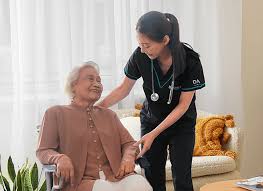
Being treated in your own surroundings feels reassuring, which helps people recover faster. Children are less likely to have scary dreams. Seniors don’t have to worry about carrying things or getting to their appointments. People with disabilities can access healthcare with minimal effort. Healthcare is personalized and less scary when delivered in someone’s home.
Moreover, the familiar environment of home reduces anxiety and stress, which can positively affect the healing process. When patients feel relaxed and supported by their family members, they often follow medical advice more carefully and recover more smoothly.
3. Individualized Patient Care
Home visits provide the opportunity for doctors to spend more one-on-one time with their patients, as compared to a clinic where time seems limited and rushed. During the course of a home visit, the doctor will also get a better view of the patient’s environment and lifestyle – their daily habits. This enables the doctor to provide more precise recommendations and develop individualized treatment options for their patients. A home doctor service is focused on the particular patient and provides much more than just a treatment for a disease.
For example, a doctor visiting a patient’s home may notice factors such as diet habits, living conditions, medication storage, or fall risks for elderly patients. These insights help the doctor suggest practical lifestyle changes that might not be visible during a short clinic visit.
4. Better Care for Aging Populations
The world’s population is aging. This is according to the World Health Organization. The population of people aged 60 and above is rapidly increasing. This population finds it hard to travel to clinics regularly. Having a home doctor service helps to ease regular check-ups and other medical conditions for the aging population. This service provides peace of mind for families whose loved ones receive medical attention at home.
In addition, home doctor services can support long-term disease management for conditions such as diabetes, hypertension, and arthritis. Regular home check-ups ensure that elderly patients receive consistent monitoring without the physical strain of frequent hospital visits.
5. Decreased Hospital Overcrowding
Many patients come to hospital emergency departments, even if they don’t need to go there for immediate care. By providing home care for minor health problems, secondary infections, and routine health needs, our goal is to lower volume in hospitals/emergency rooms. As a result, we have a more efficient health care delivery system that allows hospitals to devote their resources to serious/emergency cases.
Reducing unnecessary hospital visits also lowers healthcare costs for both patients and medical systems. When minor illnesses can be managed at home, hospitals can focus their staff, equipment, and beds on patients who truly need urgent or specialized treatment.
The Role of Technology in the Future
The future of the health sector does not end at home visits, but it also includes smart health.
Digital prescriptions
Remote monitoring devices
Online booking of appointments
Electronic health records
These tools will help the home doctor service business grow even more. Doctors can now diagnose, monitor, and treat patients effectively without requiring them to venture out of the house. In the future, artificial intelligence and wearable technology could make home health even more sophisticated and precise.
Telemedicine platforms are also playing an important role. Before scheduling a physical home visit, patients can consult doctors through video calls to discuss symptoms and determine whether an in-person visit is necessary. Wearable health devices, such as smartwatches that monitor heart rate, sleep patterns, and activity levels, can send real-time data to doctors, allowing them to detect health problems early.
Conclusion
It’s not only a trend; home visits fulfil an actual need for being comfortable, easily accessible, and receiving a personal level of care through advancements in technology and increasing interest in the home doctor service, so they are shaping how we will see health care delivered going forward.
As healthcare systems continue to evolve, integrating home doctor services with digital health platforms will likely become a standard model of care. Patients will have greater control over how and where they receive treatment, while doctors will be able to deliver efficient, personalized care supported by technology.
As we continue to evolve in the way we provide health care, it’s evident to us that, at times, the best place to heal is at home. In a world where comfort, safety, and convenience matter more than ever, home visits are not just returning — they are redefining how healthcare should feel: personal, accessible, and human.

© 2025 Crivva - Hosted by Airy Hosting Managed Website Hosting.