


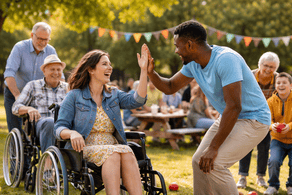
Community participation plays a vital role in shaping inclusive societies. For people living with disabilities, opportunities to engage in everyday social life can contribute to confidence, wellbeing, and independence. Participation in local events, community programs, learning opportunities, and social gatherings helps individuals build meaningful connections while strengthening the fabric of their communities.
Across many countries, disability support frameworks increasingly emphasize inclusion and accessibility. Rather than focusing solely on care within the home, modern support services encourage active participation in community life. This shift recognizes that people thrive when they are able to connect with others, explore interests, and contribute to the places where they live.
Support organizations often play a critical role in making this participation possible. Services such as Total Care Disability Services help individuals access programs, develop practical life skills, and explore opportunities that may otherwise be difficult to navigate independently.
Community participation refers to the ability for individuals to take part in activities and environments that are part of everyday life. These may include social gatherings, recreational activities, volunteering, employment opportunities, education programs, or simply spending time in public spaces.
For people with disabilities, participation may involve additional planning or support. However, the goal remains the same as for anyone else: the ability to live a connected and fulfilling life within the community.
Modern disability support approaches recognize that participation contributes to multiple aspects of wellbeing, including emotional health, confidence, and personal development. When individuals feel welcomed and included in their communities, they often develop stronger social networks and a greater sense of belonging.
Engagement with community activities often supports mental and emotional wellbeing. Social interaction helps reduce isolation and loneliness, which are challenges sometimes experienced by individuals who face barriers to participation.
Participation also offers opportunities for personal growth. Learning new skills, exploring hobbies, and meeting different people can broaden perspectives and increase confidence. For many individuals, even small activities such as attending a local workshop or community gathering may lead to long-term benefits.
Communities themselves also gain from inclusive participation. When people with diverse abilities contribute their perspectives and talents, local groups and organizations may become more creative, understanding, and collaborative.
Despite the benefits of community engagement, barriers may still exist that make participation difficult for some individuals.
Physical accessibility remains one of the most visible barriers. Some public venues, transport systems, or event spaces may not fully accommodate mobility needs. Steps without ramps, narrow entrances, or limited accessible facilities can prevent individuals from attending activities comfortably.
Transport can also present difficulties. If accessible transport options are limited, individuals may find it difficult to travel to community events or programs.
Beyond physical access, social awareness plays a significant role in inclusion. In some cases, community organizations may not yet have the knowledge or resources needed to design inclusive programs.
Communication differences can also present challenges. Without inclusive communication strategies, individuals may feel less comfortable participating in group activities or discussions.
Costs associated with activities, travel, or specialized support can also create barriers. Some individuals may require assistance to attend events, and without access to reliable support services, participation may become limited.
Addressing these barriers often requires collaboration between communities, organizations, and disability support providers.
Support services frequently assist individuals in identifying and accessing activities that match their interests. By providing guidance, planning assistance, and practical support, they help people explore opportunities that encourage independence and connection.
Many disability services work with individuals to create personalized support plans. These plans consider each person’s interests, abilities, and goals.
For example, someone interested in art may be supported to attend creative workshops or community exhibitions, while another individual may wish to explore sports programs or volunteer opportunities.
Personalized planning allows individuals to take part in activities that reflect their passions rather than following a one-size-fits-all approach.
Support workers often assist individuals in developing practical skills that enable participation. These may include travel training, communication skills, social confidence, and time management.
By strengthening these abilities, individuals may become more comfortable navigating community environments independently.
Support services may also assist with organizing transport, identifying accessible venues, and connecting individuals with inclusive programs.
Through these steps, individuals gain the opportunity to experience activities that may otherwise feel difficult to access.
Disability support organizations often focus on empowering individuals to participate in their communities in meaningful ways. Providers such as Total Care Disability Services may support individuals in identifying social opportunities, exploring personal interests, and developing confidence in public settings.
This approach recognizes that participation looks different for everyone. Some individuals may prefer quiet activities such as attending community classes, while others may enjoy group events or volunteering opportunities.
By offering flexible support that adapts to individual preferences, services can help people explore their communities at their own pace.
In many cases, ongoing encouragement and consistent support lead to stronger independence. Over time, individuals often build relationships, develop new interests, and discover environments where they feel welcomed and comfortable.
Creating inclusive communities requires participation from everyone, including local organizations, businesses, and community groups.
Accessible design plays an important role in encouraging participation. Venues with ramps, wide entrances, accessible facilities, and clear signage help ensure that events and spaces are welcoming to all individuals.
When accessibility is considered from the beginning, more people may feel comfortable attending activities.
Community education helps increase understanding of diverse abilities. Workshops, awareness campaigns, and inclusive training programs can help organizations recognize how small changes may make a significant difference in accessibility.
For example, providing multiple communication formats or offering quiet spaces during events can support a wider range of participants.
Partnerships between community groups and disability support services often lead to stronger programs. When organizations collaborate, they can share resources, knowledge, and ideas that improve accessibility.
Community centres, recreational clubs, and educational institutions often work alongside support providers to create inclusive activities.
For those interested in sharing insights about inclusive communities and support services, online platforms may provide opportunities to publish informative articles. Writers who want to contribute similar discussions can explore platforms such as https://crivva.com/submit-article/, where contributors may share perspectives about community initiatives, social inclusion, and accessibility.
Readers who enjoy exploring community-focused discussions may also find related perspectives and user-submitted articles through the same platform at https://crivva.com/submit-article/, where writers often publish content about social development, services, and community engagement.
As awareness around accessibility continues to grow, communities around the world are exploring new ways to promote inclusion. Advances in technology, inclusive design, and community-led initiatives are creating opportunities for people of all abilities to participate more actively in everyday life.
Digital platforms now make it easier to discover events, access educational programs, and connect with local organizations. Meanwhile, increased collaboration between support providers and community groups continues to expand the range of accessible activities available.
While progress continues, the underlying goal remains consistent: ensuring that every individual has the opportunity to participate in society with dignity and confidence.
Community participation contributes to stronger, more connected societies. When people with disabilities are able to engage in social activities, explore interests, and build relationships, both individuals and communities benefit.
Support services play an important role in helping individuals navigate opportunities and overcome participation barriers. Organizations such as Total Care Disability Services help individuals explore meaningful activities, build skills, and strengthen confidence within their communities.
By continuing to improve accessibility, promote awareness, and support inclusive programs, communities may move closer to creating environments where everyone feels welcome and able to participate.

© 2025 Crivva - Hosted by Airy Hosting Managed Website Hosting.