People often face a choice between acquiring a trained security companion and starting with a highly capable breed as a puppy. A personal protection dog offers trained responses and a specific role, while those who buy belgian malinois often seek a smart, athletic dog that can grow into various working roles. The decision affects daily routines, training approach, and long-term care. A thoughtful comparison helps avoid mismatches between expectations, abilities, and household capacity.
Belgian Malinois are recognized for their intelligence, confidence, and strong bond with a handler. The American Kennel Club notes this breed is a world-class worker that thrives on activity and close partnership, highlighting the need for both mental and physical engagement. This background provides part of the answer to whether a household should pursue a trained protection dog or first buy a working-breed puppy and build skills over time.
Protection dogs and working-breed puppies differ in maturity, predictability, and the pace at which they can be integrated into a household. Understanding the differences can prevent frustration, safety risks, and welfare issues. The following sections compare key factors to consider when choosing between these two paths.
A personal protection dog is developed for controlled responses to threats rather than aggression for its own sake. Professional guidelines describe protection dogs as trained to alert handlers to human or animal threats and to deter them, emphasizing structure and control rather than indiscriminate aggression. This definition underscores the importance of precision, safety, and proper handling.
Protection dogs also require appropriate physical and behavioral readiness. Guidelines highlight the need for sound physical conditioning, orthopedic health, and low-stress handling to maintain performance and safety. Such standards illustrate why acquiring a protection dog involves more than simply choosing a powerful breed. It demands ongoing oversight, professional collaboration, and a clear understanding of duties and liabilities.
Owners of protection dogs must provide regular maintenance of skills, predictable routines, and responsible socialization. These dogs need controlled practice that keeps behaviors reliable under variable conditions. The role is demanding because the dog must remain stable in everyday situations yet capable of decisive action when required.
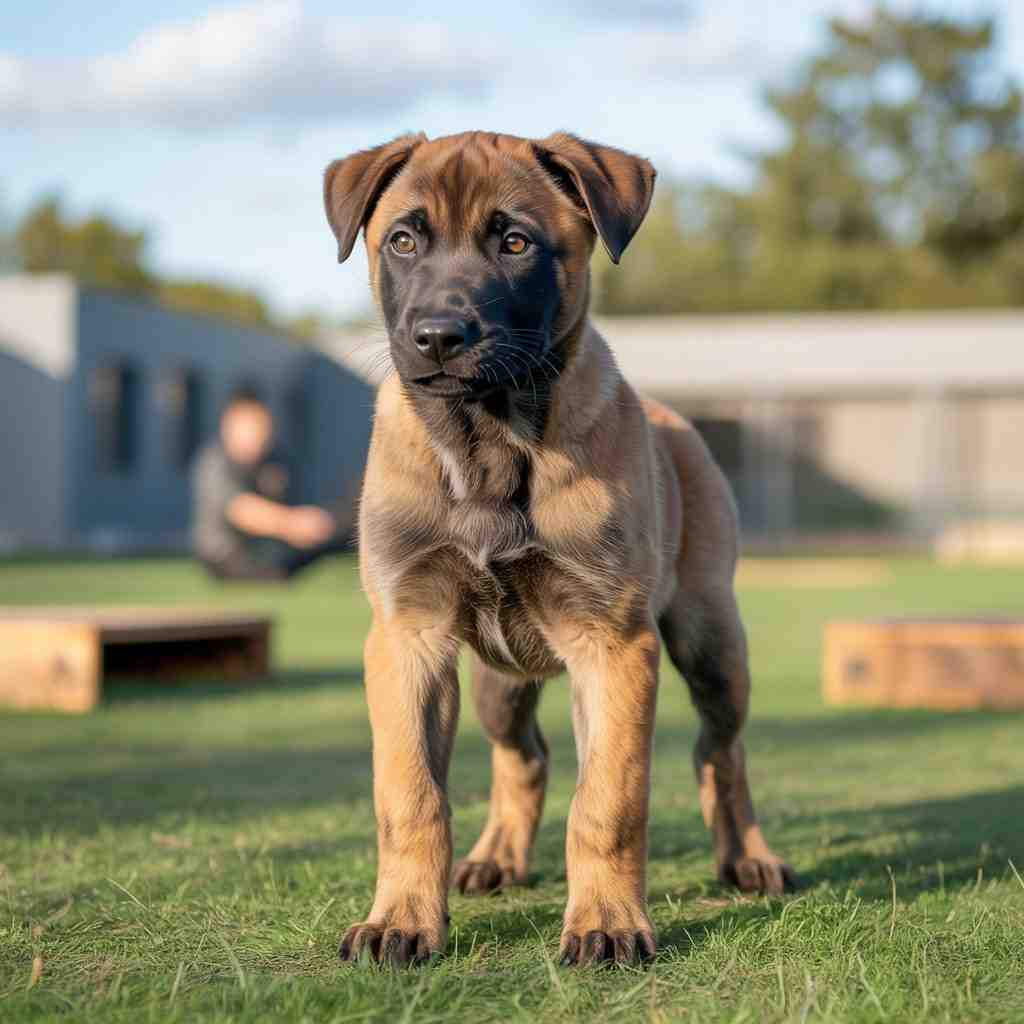
Choosing to buy belgian malinois means selecting a breed known for rapid learning, high energy, and close working partnership with humans. Puppies present opportunity because they are adaptable, but they also require significant structure to develop into stable adults. Daily life must incorporate mental engagement, physical activity, and consistent boundaries from early on.
Malinois puppies are not automatically ready for advanced tasks simply because of breed reputation. They must pass through developmental stages in which socialization, exposure, and basic obedience form the foundation of future work. Early experiences shape long-term temperament, confidence, and focus. Without careful management, strong natural drives can lead to frustration or high reactivity.
Owners who buy a puppy must plan for months or even years of training, not only to build obedience but also to shape stress tolerance and decision-making. The household must be prepared to invest time and attention far beyond a typical pet dog routine. This path is rewarding when managed well, but it demands a realistic assessment of available time, environment, and commitment.
A protection dog often suits individuals who need clear, reliable capability with less uncertainty about development. For example, people in high-risk environments or those who already have structured routines and training experience may benefit from a dog that is already conditioned for controlled responses. The dog is expected to perform under pressure with known limits, which reduces the unpredictability found in a young puppy.
Protection dogs also require owners to understand legal, ethical, and safety implications. Their deployment must be precise and proportional, with attention to local laws, public safety, and welfare. For someone prepared to maintain professional-level standards, this role aligns with a commitment to ongoing training, supervision, and risk management.
Because the dog is already trained, the owner spends less time on foundational obedience and more time on maintaining readiness and integrating the dog into daily life. This advantage can be critical for households where time for long developmental periods is limited or where the need for reliability is immediate.
A puppy allows owners to cultivate a bond from the earliest stage, tailoring the dog’s development to the household’s exact lifestyle. People who enjoy training, sports, or long-term projects may find this process fulfilling. Over time, the dog can be directed toward protection, sport, detection, or sport-like activities, depending on the owner’s interests and the dog’s strengths.
Watching a puppy grow reveals how it handles stress, novelty, and structure. Owners learn which cues, routines, and exposure types work best for that individual dog. This hands-on knowledge supports more informed decisions about future roles, including whether protection training is appropriate later on.
Bringing a puppy into a home with education, support, and realistic expectations helps promote welfare and safer communities. When owners understand breed needs and match them with their environment, the dog is less likely to develop problematic behavior or be rehomed. Contributing to responsible ownership benefits the breed’s reputation and public perception.
Both protection dogs and Malinois puppies require trust between dog and handler. Communication must be clear, consistent, and predictable to ensure the dog understands boundaries and expectations. Handlers must learn to read the dog’s body language, stress signals, and engagement level to adjust routines appropriately. Strong communication reduces misunderstandings that lead to frustration or risk.
Controlled exposure to different people, environments, sounds, and surfaces supports emotional resilience. For puppies, this means gradual introduction to novelty without overwhelming the dog. Protection dogs also need ongoing, measured exposure to maintain neutrality and confidence. Quality of exposure matters more than sheer quantity.
Working breeds thrive on mental tasks as much as on physical exercise. Without mental engagement, both puppies and trained dogs may become bored, stressed, or reactive. Owners must integrate tasks that challenge the dog’s focus, decision-making, and problem-solving. Whether structured training, scent work, or controlled play, thoughtful engagement supports stability and reduces behavior issues.
A home must provide adequate time for daily routines, training sessions, and consistent oversight. Protection dogs often need more structured maintenance, while puppies need foundational shaping many times per day. Space for exercise, safe containment, and secure environments also matters. Support systems such as experienced coaches, trainers, or veterinary guidance help owners navigate challenges.
Experience with working breeds improves handling, but dedication to ongoing education is equally important. Handlers must continually refine their skills, learn new methods, and review safety practices. Emotional responsibility means recognizing when to seek professional help, adjust routines, or slow progress to ensure the dog’s welfare.
Owners should consider life changes such as work, family, relocation, or health that could affect the dog’s daily needs. Planning ahead avoids abrupt transitions that can lead to behavioral issues or welfare concerns. A dog’s well-being depends on stable routines, predictable environments, and continued partnership over years, not just weeks or months.
Deciding between a personal protection dog and choosing to buy belgian malinois involves more than preference for appearance or prestige. It requires careful evaluation of purpose, lifestyle, experience, and the willingness to invest in structured, long-term guidance. Protection dogs offer immediate reliability and a clearly defined role, yet they come with significant responsibility and oversight. Belgian Malinois puppies offer potential, flexibility, and a deep learning partnership, but demand patience, consistent structure, and extended training.
Owners who understand the distinct needs of each option can choose more confidently, creating safer, healthier, and more rewarding relationships with their dogs. Whether the goal is immediate capability or lifelong development, clarity of expectation, commitment to training, and respect for temperament are the keys to responsible ownership.

© 2025 Crivva - Hosted by Airy Hosting Managed Website Hosting.