


When you think about going to a podiatrist, you probably picture someone trimming an ingrown toenail, dealing with a stubborn verruca, or fitting a pair of custom orthotics. For the most part, that is exactly what they do. But a lot of people don’t realize that podiatrists are also fully trained surgical specialists.
The human foot is an incredibly complex piece of engineering. It packs 26 bones, 33 joints, and over a hundred muscles, tendons, and ligaments into a very small space. Because your feet carry your entire body weight every single day, even a tiny structural misalignment can cause pain that completely ruins your quality of life. When things like physiotherapy, wider shoes, or steroid injections fail to help, surgery becomes the best option to get you back on your feet.
If you’ve been dealing with ongoing foot issues and are trying to figure out your next steps, it helps to know what actually happens behind the scenes. Here is a straightforward breakdown of the different types of surgeries performed by a podiatrist perth, from quick in-clinic fixes to major reconstructive work.
Not every foot surgery requires a trip to a hospital or being put to sleep. Podiatrists perform plenty of minor soft-tissue procedures right in their clinic rooms using a local anesthetic to numb the area. These are usually quick and have a very fast recovery time.
An ingrown toenail happens when the edge of the nail cuts into the surrounding skin, causing swelling, pain, and constant infections. If a nail keeps digging in despite careful trimming, a podiatrist will recommend a partial nail avulsion.
They numb your toe, remove the narrow sliver of nail that is causing the issue, and then apply a chemical called phenol to the exposed root. This chemical stops that specific edge of the nail from ever growing back, solving the problem permanently without making your toe look strange.
A neuroma is a swollen, irritated nerve that usually sits between your third and fourth toes. It feels like you are constantly walking on a folded sock or a sharp pebble. If changing your footwear or getting injections doesn’t calm the nerve down, a podiatrist can physically remove the damaged section of the nerve through a small incision on top of the foot.
The front of the foot takes a beating, especially if you have a family history of foot issues or spent years wearing tight, narrow shoes. Over time, bones can shift out of place, causing painful friction.
A bunion looks like a big bony lump at the base of your big toe, but it’s actually a structural issue where the long metatarsal bone drifts outward and the big toe points inward. It makes finding shoes that fit an absolute nightmare and can cause severe joint pain.
Fixing a bunion involves far more than just shaving down the bump. The podiatrist has to cut the misaligned bone, slide it back into its proper natural position, and lock it in place using tiny medical screws or plates. They also adjust the surrounding tight tendons to make sure the toe stays straight down the line.
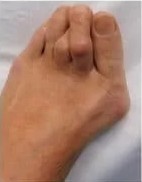
Hammertoes and claw toes happen when the joints in your smaller toes buckle and bend downward permanently. The tops of these bent joints constantly rub against the top of your shoes, causing painful corns and open sores.
If the toe is still flexible, the podiatrist might just need to release a tight tendon. But if the joint is completely stuck and rigid, they will remove a tiny piece of the bone or fuse the joint entirely so the toe can lay completely flat again.
The heel and the arch handle the highest impact forces whenever you walk, run, or jump. When these structures break down, it can make it incredibly hard to move around.
The plantar fascia is the thick band of tissue running along the bottom of your foot that supports your arch. When it gets overloaded, it develops tiny tears and becomes chronically inflamed—a condition called plantar fasciitis. It’s notorious for causing a sharp, stabbing pain in your heel the moment you step out of bed in the morning.
Almost everyone recovers from this with calf stretches, ice, and orthotics. But for the small percentage of people who are still limping after a year of trying everything, a podiatrist can perform a partial release. They make a tiny cut to detach a small portion of the tight band from the heel bone, lowering the tension and letting the tissue finally heal.
A severe flat foot happens when the main arch collapses entirely, causing the foot to roll inward. While plenty of people have flat feet with zero issues, a progressive collapse can ruin your walking mechanics and cause severe ankle damage.
Rebuilding an arch is a significant surgery tailored to how your foot has shifted. It usually involves a mix of soft tissue repairs—like lengthening a tight Achilles tendon—and bony work, where the podiatrist cuts and shifts the heel bone to physically recreate the arch.
Sudden accidents and sports injuries need to be fixed properly right away, otherwise, you risk developing early arthritis from bones healing crookedly.
If you break a metatarsal or a toe bone and the pieces slide out of alignment, the bone won’t heal straight on its own. A podiatrist can perform an Open Reduction and Internal Fixation (ORIF).
This just means they open the area up to see the fracture clearly, reset the broken bone fragments back to exactly where they belong, and use small plates or screws to hold them perfectly still while they knit back together.
The Achilles is the thick tendon at the back of your ankle that connects your calf to your heel. It can pop or tear completely during sudden movements, like lunging for a ball in tennis or basketball.
To fix a complete rupture, the podiatrist makes an incision at the back of the leg and carefully stitches the two torn, frayed ends back together with heavy-duty surgical thread. Fixing it surgically keeps the muscle powerful and drastically cuts down the chances of it tearing again.
When the smooth cartilage inside a joint completely wears away due to wear and tear, raw bone begins to rub against raw bone, making every step painful.
For advanced arthritis in the big toe or the middle of the foot, joint fusion is often the most reliable way to get rid of the pain. The podiatrist clears out whatever damaged cartilage is left, scrapes the bone ends clean, and clamps them together tightly with screws. Over time, your body heals the two bones into one single, solid block. You lose the movement in that specific joint, but the agonizing bone-on-bone friction stops completely.
If your ankle joint is catching or painful but hasn’t reached severe arthritis, a podiatrist can use keyhole surgery. They insert a tiny camera through a small nick in the skin to look inside the joint. Through a second tiny hole, they use miniature tools to shave down painful bone spurs, clean out inflamed tissue, or remove loose chips of cartilage that are floating around and causing a blockage. Because the cuts are tiny, the ankle heals much faster than it would with traditional open surgery.
Your recovery depends entirely on what you had done. If you just had a permanent ingrown toenail fix, you’ll walk out in a special open-toed shoe and be back to normal within a week. If you had a major bone reconstruction or a bunion corrected, you might need to stay completely off your foot in a cast or a heavy walking boot for anywhere from six to twelve weeks.
The post-op phase is just as important as the surgery itself. A good recovery plan relies on keeping the foot elevated to keep swelling down, going through physical therapy to get your flexibility back, and eventually moving into supportive shoes.
If you’ve been dealing with chronic foot pain or an old injury that just won’t seem to go away, you don’t have to keep putting up with it. Booking a consultation with an experienced podiatrist Perth will give you a clear map of what’s going wrong—and help you figure out the best way to get back to walking without pain.

© 2025 Crivva - Hosted by Airy Hosting Managed Website Hosting.