

You’ve probably stuck with a brand, a coffee shop, an app, or a store without questioning why. You’ve also likely ditched another brand after just one bad experience. So what really brings people back? Is it the price, habit, or rewards card? The true answer might surprise you.
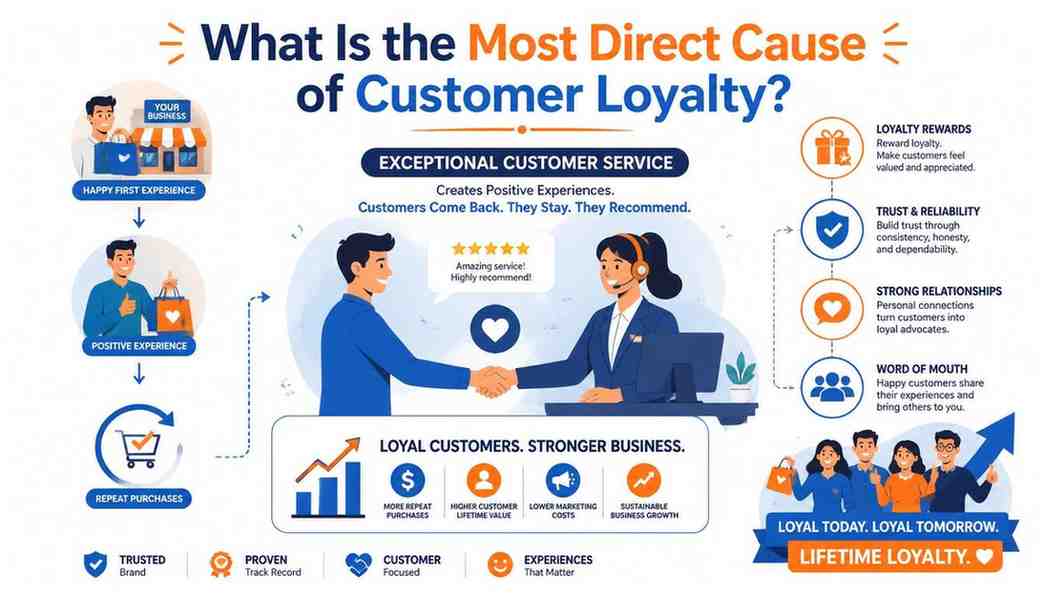
Many companies spend a lot on discounts, loyalty programs, and flashy marketing to attract repeat customers. However, they often focus on the symptoms instead of the real issue. The main cause for customer loyalty isn’t price or convenience. It’s a consistent, positive emotional experience, specifically the feeling that a brand truly understands and meets a customer’s needs every time.
Research from Bain & Company and Harvard Business School shows that boosting customer retention rates by only 5% can increase profits by 25 to 95%. This isn’t just because loyal customers spend a bit more; it’s because trust builds over time. Trust is created (or destroyed) through each interaction.
The strongest factor in customer loyalty is consistently providing satisfaction over time. It’s not about one outstanding moment. It’s about reliably delivering what was promised at every interaction.
Consider this: you might have a five-star first experience somewhere and never return if the second visit is disappointing. But if a brand consistently offers solid, reliable value with each visit? That’s when a pattern forms. That’s when habit shifts into preference, and preference turns into loyalty.
Customer loyalty is closely linked to the emotional result of each interaction. Did the customer leave feeling heard, valued, and satisfied? Or were they frustrated and let down? Brands that consistently get this right build loyalty more easily.
Loyal customers spend 67% more per purchase than new customers. They are also more forgiving of mistakes and actively refer others. This makes them a very cost-effective growth channel.
Customer loyalty doesn’t come from just one thing. Consistent satisfaction leads to loyalty, but several connected factors support it. Think of these as the pillars that hold it up:
If you had to choose one word that represents customer loyalty, it would be trust. Everything else, like product quality, good service, and fair prices, contributes to it. Trust is what a customer feels after many positive interactions. It’s built over time, not earned in a single transaction.
A brand that is honest about what it offers and delivers on those promises will build trust. When mistakes occur, handling them gracefully also builds that trust. A customer who trusts a brand is much less likely to shop around when a competitor has a sale.
There’s a well-known principle in customer experience research: a bad experience has roughly twice the emotional weight of a good one. That’s why how a company handles complaints and mistakes plays a huge role in building customer loyalty.
A customer who has a problem resolved quickly and kindly is often more loyal than one who never had an issue. That moment of recovery, done right, signals, “We care about you beyond just the sale.” That message sticks.
On the other hand, one dismissive customer service interaction can undo months of positive experiences. It’s not balanced, and smart brands are aware of this.
Amazon’s return policy, which asks no questions, is not just convenient; it takes the risk out of every purchase. This removal of friction and anxiety directly drives customer loyalty among millions who choose Amazon because they know they won’t be left disappointed.
Functional satisfaction, where the product works and the order arrives on time, keeps customers. Emotional satisfaction, where a brand resonates with customers and makes them feel acknowledged, turns them into advocates.
Brands like Apple, Nike, and Patagonia excel here. Their customers don’t just buy products; they connect with an identity and a value system. When a brand’s values match a customer’s, loyalty deepens into something hard to change, even when competitors offer similar products at lower prices.
This is why personalization is so crucial in modern customer experience. A personalized experience that remembers preferences, anticipates needs, and communicates like a human triggers the feeling of being valued. That feeling is a strong driver of customer loyalty.
Loyalty programs, discounts, and referral bonuses can boost retention in the short term, but they usually attract customers who are price-sensitive and may leave for a better deal. These tools can help, but they are not the main source of lasting loyalty.
True loyalty is about behavior and attitudes. A genuinely loyal customer stays even when things aren’t perfect, pays full price, recommends you without incentives, and gives you the benefit of the doubt when issues arise. That behavior isn’t bought; it’s earned through consistent, meaningful experiences.
Understanding the reasons behind loyalty is one thing; intentionally creating it is another. Here are key areas that can make a difference:
Customer loyalty is not a mystery; it arises from doing the basics well, over and over. The most direct cause of loyalty is a consistent, positive experience that makes customers feel valued and assured they’ll be taken care of. That experience builds trust. Trust fosters emotional connection. An emotional connection creates the kind of loyalty that no discount campaign can replicate.
Every interaction is either a deposit or a withdrawal from the trust account. Brands that thrive long-term understand this and shape their operations around it, not around one-off promotions, but around the steady work of providing genuine value every time.
Loyalty is not given; it’s built, one caring interaction at a time.
The most direct cause is consistent, positive customer satisfaction. It’s the repeated experience of a brand keeping its promises in a way that makes customers feel valued and confident. This builds trust over time, which is the real engine of loyalty.
The biggest factors are trust, perceived value, emotional connection, and customer service quality. Among these, trust and emotional connection usually have the strongest long-term impact because they create loyalty that lasts even when a competitor offers a better price.
Satisfaction is not always necessary, but it is not always enough. A customer can be satisfied with a transaction and still switch if a competitor offers something better. Loyalty forms when satisfaction is consistent over time and when an emotional bond develops. One-time satisfaction creates a good impression; ongoing satisfaction builds commitment.
Customer service has a huge impact on loyalty. Research shows that negative experiences carry about twice the emotional weight of positive ones, meaning one bad interaction can erase many good ones. On the flip side, a well-handled issue can actually increase loyalty by showing the customer that the brand truly cares.
Customer satisfaction is how a customer feels after a specific interaction; it’s momentary and transactional. Customer loyalty is a long-term pattern: consistently choosing the same brand, resisting competitor offers, and recommending the brand to others. Satisfaction is the input; loyalty is the output that accumulates when satisfaction is delivered consistently over time.

© 2025 Crivva - Hosted by Airy Hosting Managed Website Hosting.