

After months or even years of orthodontic treatment, finally having straight teeth can feel like a major achievement. Whether you’ve worn braces or clear aligners, your orthodontic journey doesn’t end when the treatment comes off. The next step is often just as important: wearing your retainer. Many people gradually stop wearing their retainer after a few months, believing their teeth will stay in place permanently. Unfortunately, teeth have a natural tendency to shift over time. Ignoring your retainer can undo much of the effort and money invested in orthodontic treatment. If you’re considering skipping your retainer or have already stopped wearing it, here’s what you need to know about the potential consequences and how they may affect the overall teeth retainer cost Australia residents face.
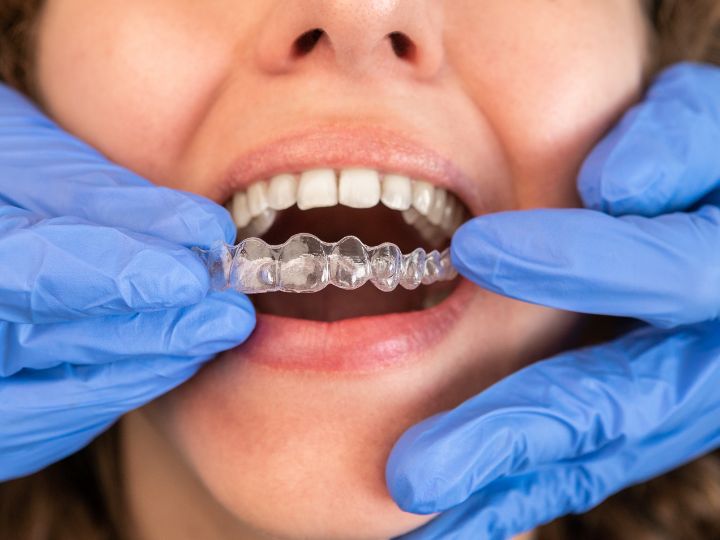
A retainer is designed to hold your teeth in their new position after braces or aligners have completed the alignment process. The bone and tissues surrounding your teeth need time to stabilise, and even after they do, natural movement can still occur.
Without a retainer, your teeth may gradually drift back towards their original positions. This process is known as orthodontic relapse, and it can begin sooner than many people expect.
Retainers help:
The effects vary from person to person, but several common issues can occur when retainers are no longer worn as recommended.
One of the earliest signs is minor tooth movement. You may not notice changes immediately, but even small shifts can affect the appearance of your smile.
Front teeth are often the first to move because they experience significant pressure from everyday activities such as chewing, speaking and grinding.
Over time, these subtle movements can become more noticeable and harder to correct.
A retainer does more than keep teeth straight. It also helps preserve the bite relationship created during orthodontic treatment.
When teeth move, your bite can change as well. This may lead to:
Even slight bite changes can affect overall oral health and comfort.
If you stop wearing your retainer for an extended period, you may discover that it no longer fits properly.
A tight retainer can sometimes indicate minor tooth movement that may still be reversible. However, if the retainer cannot be worn comfortably, the teeth may have shifted too far for the device to be effective.
At that stage, replacement retainers or additional orthodontic treatment may be necessary.
Many people assume their teeth will remain stable for years before shifting. In reality, movement can begin within weeks or months of stopping retainer use.
Several factors influence the rate of movement, including:
Some people experience noticeable changes quickly, while others may see gradual movement over several years.
The key point is that tooth movement is often continuous throughout life, making long-term retainer wear important.
The answer depends on how much movement has occurred.
If only slight movement has taken place, your orthodontist may recommend resuming retainer wear. In some cases, a replacement retainer can help guide teeth back into alignment.
More extensive shifting may require additional treatment, such as:
This can increase overall treatment expenses and prolong the correction process.
Many people stop wearing retainers because they lose them, damage them or simply forget to replace them.
Compared with the cost of corrective orthodontic treatment, replacing a retainer is generally a much more affordable option.
The teeth retainer cost Australia patients varies depending on factors such as:
Common retainer options include removable clear retainers, Hawley retainers and fixed retainers attached behind the teeth.
When researching the question, “how much do retainers cost Australia”, it’s important to remember that pricing can differ between providers. However, replacing a retainer is typically far less expensive than undergoing another round of braces or aligner treatment.
Keeping your smile straight doesn’t need to be difficult. A few simple habits can help preserve your results for years.
Every patient has different requirements. Some people may need to wear retainers every night, while others may have a different schedule.
Following professional advice gives you the best chance of maintaining long-term results.
Many retainers are lost when wrapped in napkins, placed on tables or carried loosely in bags.
Always use a protective case when your retainer is not being worn.
Cracked, warped or broken retainers may not hold teeth correctly. Prompt replacement can prevent unnecessary tooth movement.
Routine appointments allow your dental professional to monitor any changes in tooth alignment and address concerns before they become larger issues.
For many people, the answer is yes.
While the frequency of wear may decrease over time, most orthodontic professionals recommend ongoing retainer use to maintain treatment outcomes. Teeth naturally shift throughout life, regardless of whether orthodontic treatment has been completed.
Wearing a retainer consistently is often the simplest and most cost-effective way to protect your smile.
Stopping retainer wear may seem harmless, but it can lead to gradual tooth movement, bite changes and the need for further orthodontic treatment. Even small shifts can affect the appearance and function of your teeth over time. For those concerned about the teeth retainer cost Australia clinics charge, replacing or maintaining a retainer is usually far more affordable than correcting significant orthodontic relapse. If you are wondering how much do retainers cost Australia, the exact figure will vary, but maintaining your retainer remains one of the smartest investments you can make in preserving your orthodontic results. A retainer is more than a finishing touch to treatment; it is the key to keeping your smile straight for years to come.

© 2025 Crivva - Hosted by Airy Hosting Managed Website Hosting.