

The insurance industry has changed a lot over the last few years. Buying an insurance policy is no longer limited to visiting an office or meeting an agent in person. Customers now expect faster service, simple documentation, and quick policy issuance.
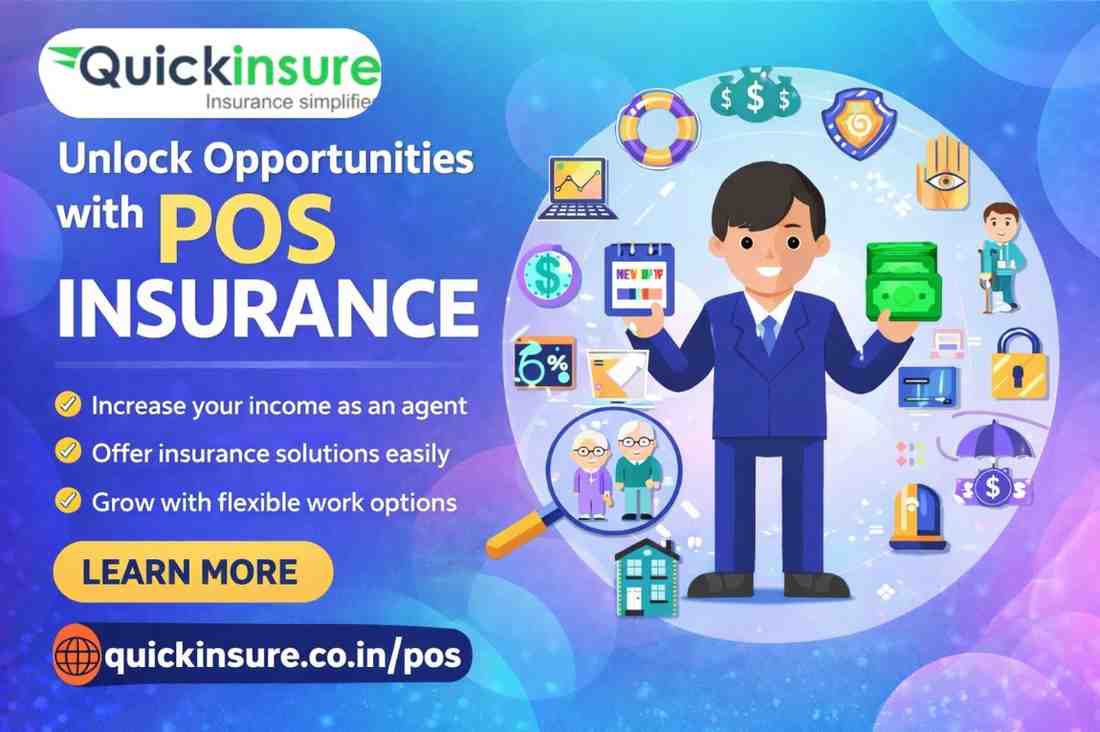
This is where an Insurance POS becomes valuable. A Point of Sales Person, commonly known as a POS, helps customers purchase insurance products in a simple and convenient way while creating new income opportunities for individuals who want to work in the insurance sector.
Whether you’re planning a career in insurance or looking for a smarter way to serve customers, understanding how an Insurance POS works can help you make informed decisions.
An Insurance POS is an authorized individual who is certified to sell specific insurance products after completing the required training and registration process.
A POS works with insurance companies or insurance intermediaries to assist customers with selecting suitable policies, completing documentation, and issuing insurance coverage.
The role is ideal for people who enjoy interacting with customers and want a flexible earning opportunity without establishing a full insurance agency.
The process is straightforward.
A POS professional helps customers by:
Many activities are completed through digital platforms, making the process faster and more convenient.
Many people choose this career because it offers flexibility and growth opportunities.
The qualification process is simpler than becoming a traditional insurance agent.
Once the required certification is completed, eligible individuals can begin selling approved insurance products.
Many POS professionals choose their own schedules.
This makes the role suitable for:
Depending on the organization and regulatory guidelines, a POS may offer products such as:
Offering multiple products allows professionals to assist customers with different insurance needs.
Most insurance providers now use online systems for policy issuance.
This reduces paperwork and speeds up the buying process.
Success depends on more than product knowledge.
Clear conversations help customers understand policy benefits and coverage.
Building trust encourages long-term customer relationships and policy renewals.
Since many insurance processes are completed online, familiarity with digital tools is helpful.
A good understanding of insurance products helps customers choose policies that match their requirements.
Although both roles help customers purchase insurance, there are important differences.
Choosing the right path depends on your career goals and preferred working style.
Many people entering the insurance sector want to understand agent vs aggregator commission IRDAI guidelines before selecting a business model.
Insurance agents generally earn commissions based on policies sold through insurance companies they represent. Insurance aggregators work differently by offering customers policy comparisons across multiple insurers while operating within applicable regulatory requirements.
Understanding agent vs aggregator commission IRDAI helps individuals compare earning models, responsibilities, customer interaction, and compliance expectations before starting their insurance journey.
Anyone considering a long-term insurance career should stay informed about current regulatory guidelines and commission structures issued by the appropriate authorities.
Insurance providers benefit from expanding their customer reach through trained POS professionals.
Advantages include:
Digital processing reduces waiting time for customers.
Insurance companies can serve customers in more locations through distributed POS networks.
Customers receive guidance without visiting branch offices.
POS professionals often maintain relationships with customers, making renewals easier.
If you plan to become a POS professional, consider these factors before joining an organization.
Quality training helps improve confidence and product knowledge.
Easy-to-use digital systems simplify customer service and policy issuance.
Working with multiple insurance categories allows greater flexibility when serving customers.
Reliable support helps resolve customer queries quickly.
Digital insurance adoption continues to grow.
Customers increasingly prefer online documentation, quick approvals, and paperless transactions.
As technology improves, the role of an Insurance POS is expected to become even more valuable, helping insurance providers reach more customers while offering convenient services across cities and smaller towns.
Looking to build a rewarding career in insurance or expand your insurance business through digital solutions?
Companies like Quickinsure provide Insurance POS opportunities, digital platforms, product training, and support that help individuals begin serving customers with confidence. Whether you’re exploring a new career path or adding insurance services to your existing business, the right platform can help you grow professionally.
Contact Quickinsure today to learn more about becoming an Insurance POS and start your journey in the insurance industry.
An Insurance POS is a certified individual authorized to sell selected insurance products after completing the required training and registration process.
Eligibility depends on applicable regulatory requirements. Many students, homemakers, business owners, retirees, and working professionals choose this career.
Depending on authorization, a POS may offer motor, health, travel, and personal accident insurance products.
A POS generally works through digital platforms and sells approved insurance products with a simpler onboarding process, while traditional agents may handle a broader range of insurance offerings.
Learning about agent vs aggregator commission IRDAI helps you compare different insurance distribution models, earning structures, responsibilities, and compliance requirements before choosing a career path.

© 2025 Crivva - Hosted by Airy Hosting Managed Website Hosting.