

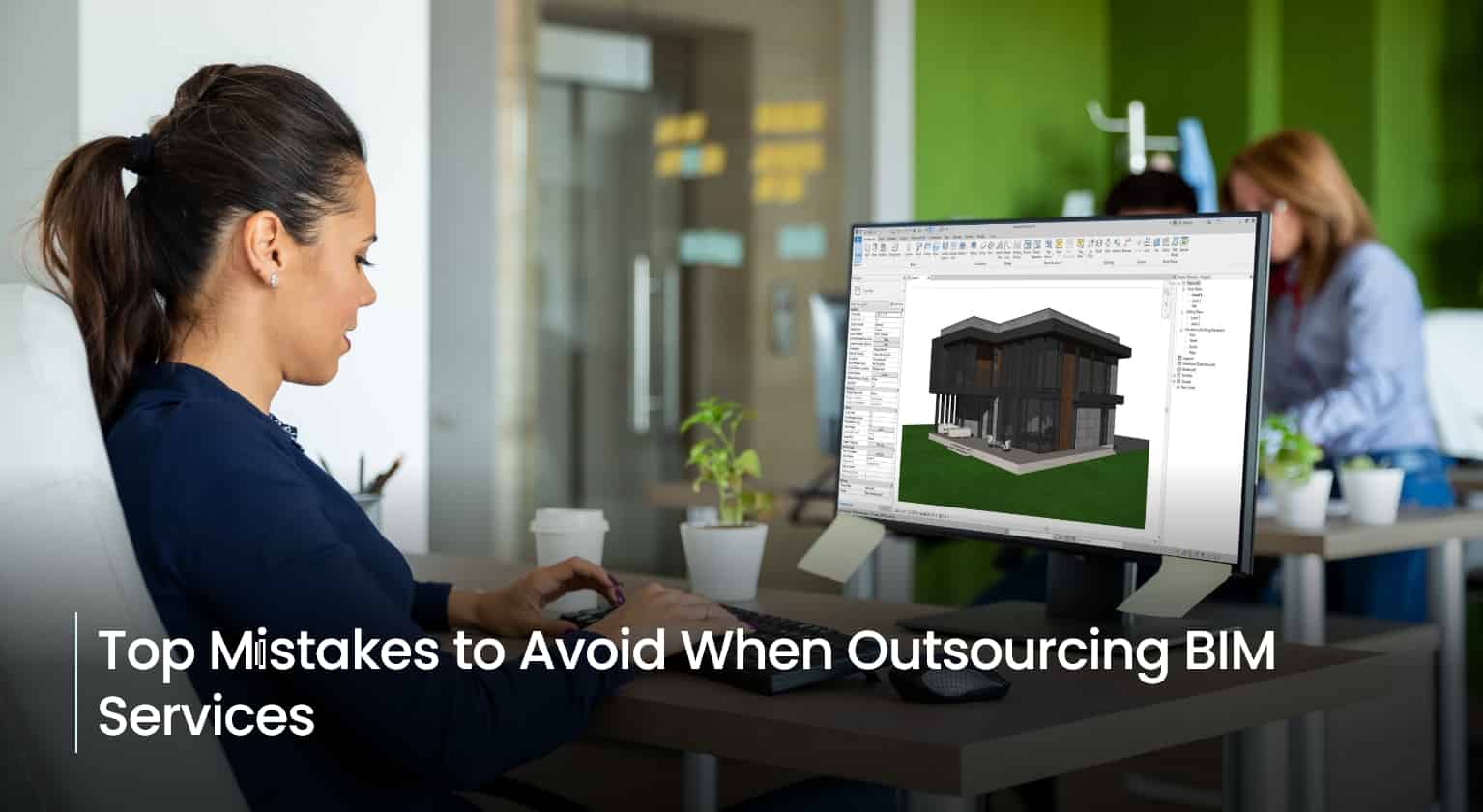
In the competitive architecture, engineering, and construction industry, staying ahead of the curve is evident. The industry also constantly seeks novel ways to enhance cost-effectiveness, accuracy, process efficiency, and overall productivity. Due to rapid technological advances and continuous innovation, AEC professionals need to stay up to date and ensure the best possible outcomes for construction projects. Any architecture project is complex, with significant stages that demand substantial time, effort, precision, and quality to ensure success. With the help of BIM technology and the right tools, architects, engineers, and other professionals can achieve project goals and objectives efficiently.
Building information modeling is a comprehensive approach for architects and other experts to streamline the complex workflow. This methodology has transformed the entire industry and delivered significant benefits that affect overall results. As a matter of fact, the AEC industry can leverage the benefits of building information modeling to enhance complex processes through 3D visualization. Today, in the modern AEC landscape, BIM modeling services need no introduction, as they help streamline workflows.
Nonetheless, adopting 3D BIM technology has not only changed the construction process but also offered a variety of benefits, such as efficient project completion, comprehensive data, 3D visualization, precise project execution, accurate design, and more. To utilize the power of BIM modeling, the right use of technology, expertise, skills, knowledge, and more are evident factors for successful implementation. BIM not only involves learning the software or adapting the process but also requires effective implementation strategies, the ability to manage complex design projects, a quality control process, and the enhancement of overall project results.
While AEC firms have a variety of tasks and responsibilities, adopting a new technology without any expertise or knowledge can be risky for highly invested projects. Hence, here AEC firms aim to choose reliable BIM outsourcing partners. Let’s understand the importance of choosing a BIM outsourcing partner and what mistakes to avoid while hiring.
As the sector is vast and continually evolving with technology, outsourcing is a viable option. It enhances construction project efficiency, offering key benefits that enable AEC professionals to execute the project. BIM has become a tool for various reasons, but it’s more than just software or technology adoption. A construction project is only successful when BIM is rightly implemented. While AEC firms have significant tasks and other aspects to closely monitor, BIM implementation poses a challenge. Therefore, choosing a BIM outsourcing company is a novel solution. As outsourcing is vast and demands thorough research, many AEC companies face common BIM outsourcing challenges. The following are some of the mistakes that can be avoided.
Outsourcing BIM modeling services can significantly boost project efficiency, reduce costs, and provide access to specialized expertise. However, a smooth outsourcing journey is not guaranteed. Avoiding common pitfalls is crucial to delivering high-quality results and ensuring a successful partnership.
The temptation to choose the cheapest bid is a major pitfall. While cost savings are often a primary driver of outsourcing, prioritizing a low price over proven competence is a recipe for disaster, leading to higher costs in the long run due to rework and delays.
How to Avoid It:
The BIM Execution Plan (BEP) is the project’s rulebook. Failing to provide a detailed, project-specific plan is a direct invitation for misinterpretation and mismatched deliverables.
How to Avoid It:
BIM projects are inherently collaborative. Communication barriers—whether due to language, time zone, or a lack of process—are a leading cause of outsourcing failure.
How to Avoid It:
Your BIM models contain valuable intellectual property and sensitive project data. Overlooking security protocols can lead to data breaches and loss of competitive advantage.
How to Avoid It:
Mandatory NDAs: Sign a comprehensive Non-Disclosure Agreement (NDA) before sharing any project files.
Outsourcing does not mean “out of sight, out of mind.” A lack of regular project tracking and quality verification can allow errors to compound, leading to significant rework late in the project.
How to Avoid It:
Frequent Audits: Schedule regular, defined checkpoints for model review and quality audits, not just at milestones.
Outsourcing BIM services is a strategic decision that, when executed correctly, can significantly benefit your organization. The path to a successful partnership lies in preparation, standardization, and proactive communication. By avoiding these five critical mistakes, you can mitigate risks, ensure high-quality, compliant deliverables, and maximize the strategic value of BIM for your projects.

© 2025 Crivva - Hosted by Airy Hosting Managed Website Hosting.